The 2009 Honda Rebel 250 remains a noteworthy contender in the realm of beginner-friendly motorcycles, embodying a blend of simplicity, reliability, and classic cruiser aesthetics. Despite being an entry-level bike, the Rebel commands respect for its well-rounded performance and enduring appeal. This review will delve into the various facets that make the 2009 model an exceptional choice for novice riders, commuters, and even seasoned motorcyclists seeking a low-maintenance, fun ride.
First and foremost, the design of the 2009 Honda Rebel 250 is refreshingly straightforward. With its minimalist cruiser style, the Rebel showcases a low seat height—a mere 26.2 inches—that accommodates riders of varying stature with ease. The low center of gravity and modest weight (approximately 320 pounds) further contribute to an accessible handling experience. Its classic teardrop fuel tank, blacked-out engine components, and subtle chrome accents evoke a vintage vibe, appealing to individuals who appreciate understated motorcycle aesthetics. This is not a flashy, over-the-top machine, but rather a thoughtfully designed bike where form follows function.
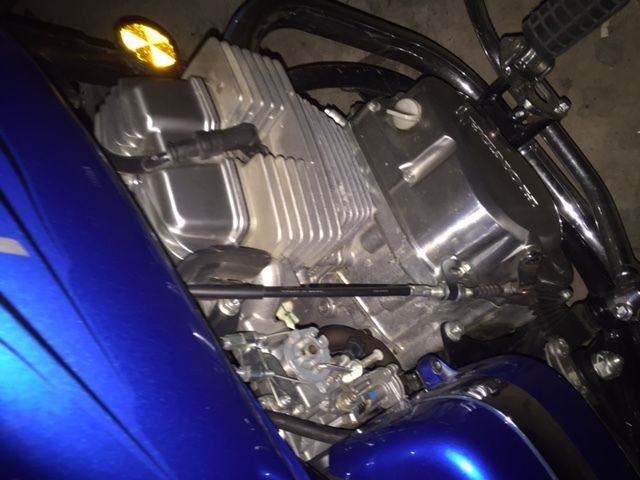
Underneath its unpretentious facade lies a dependable 234cc air-cooled single-cylinder engine. Rated at roughly 16 horsepower, this four-stroke engine may not promise high-speed thrills, but it delivers smooth, manageable power that encourages confidence and control. The engine’s simplicity also translates into ease of maintenance and mechanical longevity, making it a practical choice for riders who want to focus on honing their skills rather than fretting over complex repairs. The Rebel’s gearbox, a five-speed transmission, provides crisp shifts and adequate gearing spread to handle city commute and mild highway speeds with grace.
One noteworthy aspect of the 2009 Honda Rebel 250 is its versatility in terms of riding environments. Whether navigating urban streets or exploring suburban backroads, the bike performs with a composed demeanor. Its suspension—telescopic forks in the front and twin shocks in the rear—is tuned to absorb bumps efficiently without feeling too soft or harsh. This balance makes the Rebel comfortable for daily use while maintaining enough feedback to engage riders and foster a better understanding of road conditions. The braking system, featuring front and rear disc brakes, assures dependable stopping power, enhancing overall safety for the novice rider.
The seating ergonomics deserve special mention. The slightly forward foot pegs combined with mid-rise handlebars support a relaxed riding posture that mitigates fatigue on longer rides. This configuration is particularly advantageous for new motorcyclists, as it encourages control and comfort simultaneously. The saddle itself is well-cushioned, designed to absorb road vibrations, resulting in a smooth and pleasant riding experience even on less-than-perfect pavements.
Performance metrics might not place the Rebel in the sporty category, but its strengths lie elsewhere. The bike’s lightweight chassis and manageable power output cultivate confidence, and its fuel efficiency—often exceeding 70 miles per gallon—ensures that running costs remain exceptionally low. For individuals seeking economical transportation or a starter motorcycle, the Rebel offers undeniable value. Moreover, the straightforward mechanical design means that even first-time owners can familiarize themselves with routine upkeep tasks like oil changes and chain adjustments with minimal frustration.
The 2009 Honda Rebel 250’s reliability has earned it a reputation for longevity, often outliving more complex contemporaries. Honda’s proven engineering principles focus on durability and simplicity, minimizing electronic aids and intricate components that can fail unexpectedly. Parts availability remains robust, facilitating easier repairs and modifications. Speaking of which, customization potential is extensive. The Rebel’s uncomplicated platform makes it a favorite among enthusiasts looking to personalize their ride. From aftermarket exhaust systems and custom seats to handlebar swaps, riders can transform the Rebel into a bespoke machine fitting their individual style.
Another critical aspect is the rider community surrounding the Rebel 250. Many owners praise its accessibility and familial spirit among riders, creating a welcoming environment for those new to motorcycling. The shared enthusiasm for this bike fosters knowledge exchange, support, and camaraderie. Safety advocates also recommend it for training schools and new riders due to its predictable handling and forgiving dynamics.
In terms of aesthetics, the 2009 Rebel does not aim to dazzle with cutting-edge design but rather captivates through timeless simplicity. Its blacked-out engine casing paired with modest chrome trim strikes a balanced contrast. The instrumentation cluster is minimalistic yet effective, featuring a clear speedometer and indicator lights without overwhelming the rider with unnecessary data. This intentional paring down promotes focus and less distraction—prudent attributes for learners still acclimating to road conditions.
To summarize, the 2009 Honda Rebel 250 is the embodiment of “simple but reliable.” It prioritizes rider confidence and durability over flashy performance or high-tech features, making it an ideal choice for those embarking on their motorcycling journey. Its classic cruiser styling, dependable engine, and thoughtful ergonomics combine to offer an approachable, versatile motorcycle. Additionally, its enduring mechanical design and widespread parts availability have secured its place as a beloved machine known for its longevity.
Whether you are a beginner looking for a manageable and cost-effective introduction to motorcycling or a veteran rider interested in a straightforward cruiser for casual rides, the 2009 Honda Rebel 250 stands as a commendable option. It proves that sometimes, the most unassuming motorcycles can provide the greatest satisfaction—imbued with reliability, practicality, and a touch of nostalgic charm.