Have you ever stumbled upon a machine so well-crafted that it makes you question the relentless rush toward newer, flashier models? What if the motorcycles from 2008–2009, tucked away in forgotten corners or modest garages, still hold a riveting promise that many modern bikes struggle to match? Exploring this notion leads to a compelling challenge: can these slightly aged steeds still captivate riders and meet today’s high standards of performance, style, and reliability?
The late 2000s marked a fascinating era in motorcycle development—a time when engineering met emerging technology without yet succumbing to the sometimes overwhelming digital inundation seen in recent years. Manufacturers were at a crossroads between traditional mechanical mastery and the dawn of electronics-heavy systems. This intersection birthed motorcycles that artfully combined raw riding pleasure with just enough innovation to feel relevant, even years later.
Take, for example, the notorious balance of power and control that many 2008–2009 bikes offered. The engines roared with a visceral intensity, often unfiltered by electronic interference, providing an unadulterated connection between man and machine. Unlike many modern counterparts overloaded with ride-by-wire throttle, selectable engine modes, and complex traction controls, these motorcycles showcased a more primal essence, granting skilled riders the chance to truly hone their craft.
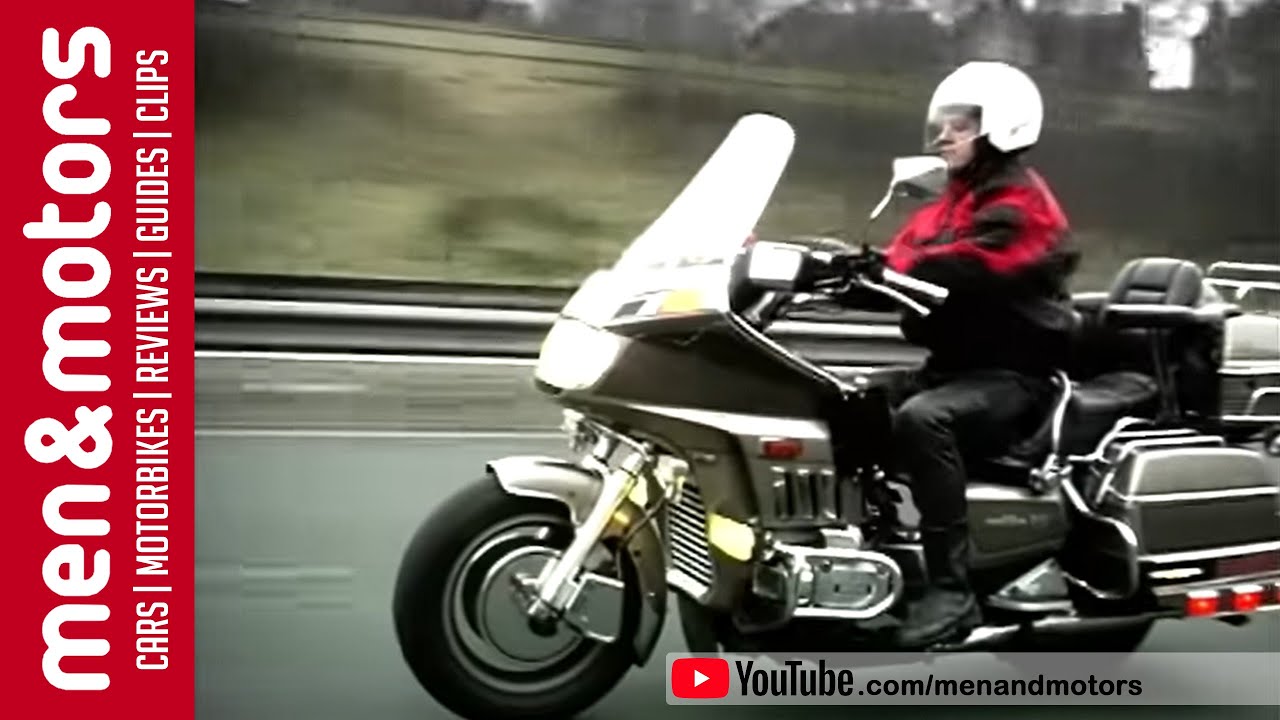
Such machines often harbored character that transcended mere specifications. A sportbike from that period might not boast the latest electronics suite, but its chassis geometry, suspension tuning, and agile handling created an exhilarating experience that’s difficult to replicate today. For enthusiasts, the tactile feedback from the road, the nuanced responses of analog controls, and the unmistakable soundtrack of a well-tuned engine echo the credo of motorcycling itself. It’s this very essence that fuels the enduring appeal of these “vintage-modern” marvels.
Another compelling facet lies in craftsmanship and build quality. While contemporary manufacturers sometimes cut corners to satisfy regulatory or cost constraints, many motorcycles from 2008–2009 were produced during a quieter time in the industry—when attention to detail and component durability were paramount. Steel frames crafted with precision, robust suspensions designed to soak up diverse terrains, and mechanical components built to last often mean these motorcycles continue to perform admirably even after thousands of miles.
Of course, there’s no denying the technological advancements that have arrived subsequently—improved fuel injection systems, ABS, ride modes, and other digital enhancements have undoubtedly elevated safety and usability. However, in placing too much emphasis on these innovations, modern motorcycles can sometimes lose the elemental joy of riding. The motorcycles from this era, while lacking some of these bells and whistles, reward riders with a purer experience, unencumbered by a maze of electronic aids.
Stylistically, these models conjure a nostalgic yet timeless appeal that many contemporary designs strive to reclaim. The lines are often bold yet uncluttered, blending aggressive stances with classic touches. The era symbolizes a transitional aesthetic, where the futuristic met tradition in harmonious balance. For riders yearning for a blend of nostalgia grounded in functional design, 2008–2009 motorcycles present an evocative visual narrative that remains fresh rather than dated.
But what about practical considerations? Maintenance, for example, tends to be more straightforward compared to the complexity of today’s vehicles. The mechanical simplicity, while sometimes demanding more frequent attention, invites a hands-on relationship between rider and machine. For many aficionados, this hands-on approach is not a chore but rather an engrossing part of the ownership experience. Resources and aftermarket parts remain relatively abundant, as interest in these models continues to simmer beneath the surface of mainstream motorcycling culture.
Performance-wise, some of these motorcycles deliver surprisingly competitive outputs that still hold their ground on spirited rides or casual track days. Whether it’s the nimble agility of a middleweight sportbike or the torquey grunt of a cruiser, these bikes embody balance and fun. They often provide a learning playground for riders who want to understand the nuances of bike control without the intimidating technological guardrails of modern beasts. This can be an empowering advantage, allowing one to build skill and confidence.
Furthermore, depreciation plays an interesting role. Many 2008–2009 motorcycles offer fantastic value propositions. They can be obtained at significantly reduced prices while still offering robust riding experiences. For those hesitant to plunge into the bewildering backlog of new features or high insurance premiums, these models create an alluring gateway into motorcycling with minimized financial risk. Theronic question then becomes: is newer always better, or can venerable machines deliver thrills equivalent to, or exceeding, their advanced replacements?
What about the cultural sentiment attached to these motorcycles? Owning and riding a bike that has withstood the test of time brings a unique sense of continuity and connection with motorcycling history. These machines are protagonists in countless stories of road trips, late-night rides, and communal gatherings at biker taverns. They serve not just as transportation but as vessels of memory and identity, enriching the rider’s relationship with the open road.
In considering the challenge of finding relevance for motorcycles grounded nearly a decade and a half in the past, it becomes apparent that these models still possess a compelling essence that resonates with modern riders. They encourage a deeper connection with the mechanical world, offer timeless design elements, and provide a tactile, thrilling ride that can sometimes be elusive in utterly modern motorcycles.
So, what if the motorcycles that seem quaint or outdated at first glance are, in reality, outstandingly good by today’s standards? Could it be that rediscovering and appreciating these models not only broadens one’s riding experience but also refines the very measures by which motorcycles are evaluated? As riders continue to explore these machines, the conversation about timelessness, value, and pure riding pleasure only grows richer.
In the end, the 2008–2009 motorcycle cohort stands as a testament to durability, character, and enjoyment beyond the mere passage of time. These motorcycles invite a playful reconsideration of what makes a bike “good”—perhaps it’s not just about the latest tech or power figures but the enduring ride experience that keeps riders coming back for more.