In the realm of middleweight supersport motorcycles, the rivalry between the 2007 Honda CBR600RR and the Suzuki GSX-R600 is a topic that has intrigued enthusiasts and casual riders alike. At first glance, both machines appear to offer similar allure—sleek lines, a promise of blistering speeds, and the mantra of “race-bred performance.” However, a deeper exploration reveals nuances and intricate design philosophies that underscore why these two motorcycles have captivated imaginations for decades. The comparison is not merely a contest of numbers but a reflection on engineering ethos, rider experience, and the intangibles that define motorcycle culture.
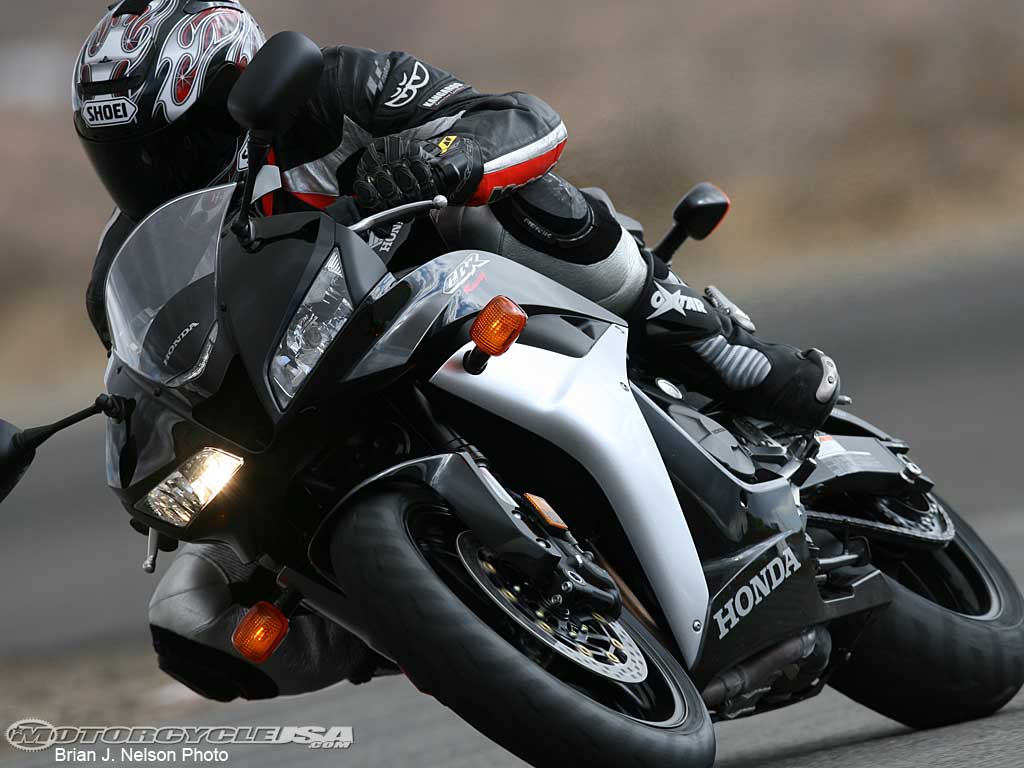
The 2007 Honda CBR600RR embodies a philosophy rooted in balance, precision, and refinement. Honda’s approach has always been meticulous, weaving a sophisticated chassis, nimble handling, and a responsive engine into a package that rewards both track veterans and street riders. Its 599cc inline-four engine produces a peak power output that hovers around 105 horsepower, but what truly stands out is how this power is delivered—smoothly and with an unusually linear progression. This characteristic grants the CBR600RR a predictability that cultivates confidence, especially when pushing limits in tight corners or unpredictable traffic scenarios.
Honda’s engineering finesse extends beyond the engine. The aluminum twin-spar frame is both lightweight and rigid, enabling agile handling that is neither nervous nor overdone. Suspension components such as the fully adjustable inverted front fork and rear monoshock allow riders to tailor the riding dynamics to their preferences, making the CBR600RR feel alive and communicative. Furthermore, the bike’s relatively low weight—about 410 pounds wet—contributes to its nimbleness and ease of control, particularly important in the middleweight category where rider skill often plays a pivotal role.
Contrastingly, the Suzuki GSX-R600 from the same era emphasizes raw, unfiltered performance with a slightly more aggressive edge. Suzuki’s mission with the GSX-R series has traditionally been to marry cutting-edge racing technology with everyday usability. The 2007 model features a 599cc inline-four engine as well, delivering close to 112 horsepower, thus offering a slight advantage in sheer output over the CBR600RR. This push for power is accompanied by a sharper throttle response, which can translate to exhilarating bursts of speed but demands more attentive rider modulation.
The GSX-R600’s frame architecture also borrows heavily from Suzuki’s racing pedigree. Utilizing a twin-spar aluminum frame, it is engineered for exceptional rigidity—sometimes at the expense of comfort. This rigidity provides stability at high speeds and when executing aggressive maneuvers, making it feel planted and formidable on smooth race tracks. However, it may transmit more feedback to the rider in less-than-perfect road conditions, underscoring a divergence in design goals from its Honda counterpart.
When examining handling, the GSX-R600 offers a more immediate, almost razor-sharp response. Its suspension, while highly adjustable, is tuned with a bias towards performance-oriented riding, rewarding those looking for crisp cornering and quick transitions. The trade-off is a slightly less forgiving ride over bumps and irregular surfaces, which may deter riders who prioritize comfort on longer journeys or daily commutes. The overall ergonomics of the GSX-R600 tend toward a more aggressive riding posture, emphasizing aerodynamics and control at higher velocities but potentially sacrificing rider fatigue management.
One cannot discuss these two motorcycles without delving into the psychology of rider preference, which often mirrors the machines themselves. The Honda CBR600RR attracts riders who appreciate a harmonious blend of power and poise. Its design philosophy extends an invitation to master the machine through finesse rather than brute force. The motorcyclist drawn to the CBR600RR is often one who finds joy in the subtle art of corner carving, respecting the symbiotic relationship between man and machine.
The Suzuki GSX-R600, by contrast, appeals to those enchanted by unbridled potential and aggressive performance. It is a machine that challenges riders to harness its power and speed, essentially rewarding commitment and precision. For many, this allure is irresistible—a call to enter the fray of spirited riding with a weapon primed for combat. The sensation of control paired with adrenaline creates an intoxicating blend that cements the GSX-R600’s place in the pantheon of revered supersport motorcycles.
Behind the curtain of specifications and riding impressions lies a deeper reason why the 2007 Honda CBR600RR versus GSX-R600 debate endures: the fascination with how two ostensibly similar motorcycles can evoke such divergent emotional responses. This dichotomy is reflective of broader human desires—to seek control or embrace challenge, to desire comfort or chase thrills. These motorcycles are not merely transportation tools; they are extensions of personality, aspirations, and values.
In the broader context of supersport evolution, both the 2007 CBR600RR and the GSX-R600 occupy pivotal roles. They exemplify a period where engineering was pushing the boundaries of what a middleweight could achieve, integrating technology and rider feedback into increasingly sophisticated packages. Choosing between them is less about an objective “winner” and more about aligning with a subjective experience. Enthusiasm for one or the other reveals as much about the rider as the machinery, making the debate a richly textured narrative rather than a simple comparison.
To conclude, the 2007 Honda CBR600RR and Suzuki GSX-R600 both assert themselves as formidable contenders within the supersport landscape, each excelling in distinct domains. Honda’s ethos emphasizes a symphony of balance and approachable power delivery, whereas Suzuki champions thrilling performance through aggressive engineering and race-inspired dynamics. The ultimate victor in this contest depends not on technical superiority alone but on the nuanced interplay between rider expectations, terrain, and the emotions invoked by the ride. The enduring captivation with these machines lies in their ability to offer more than speed—they deliver an experience that resonates on both rational and visceral levels, securing their legacy in the hearts of motorcycling aficionados worldwide.