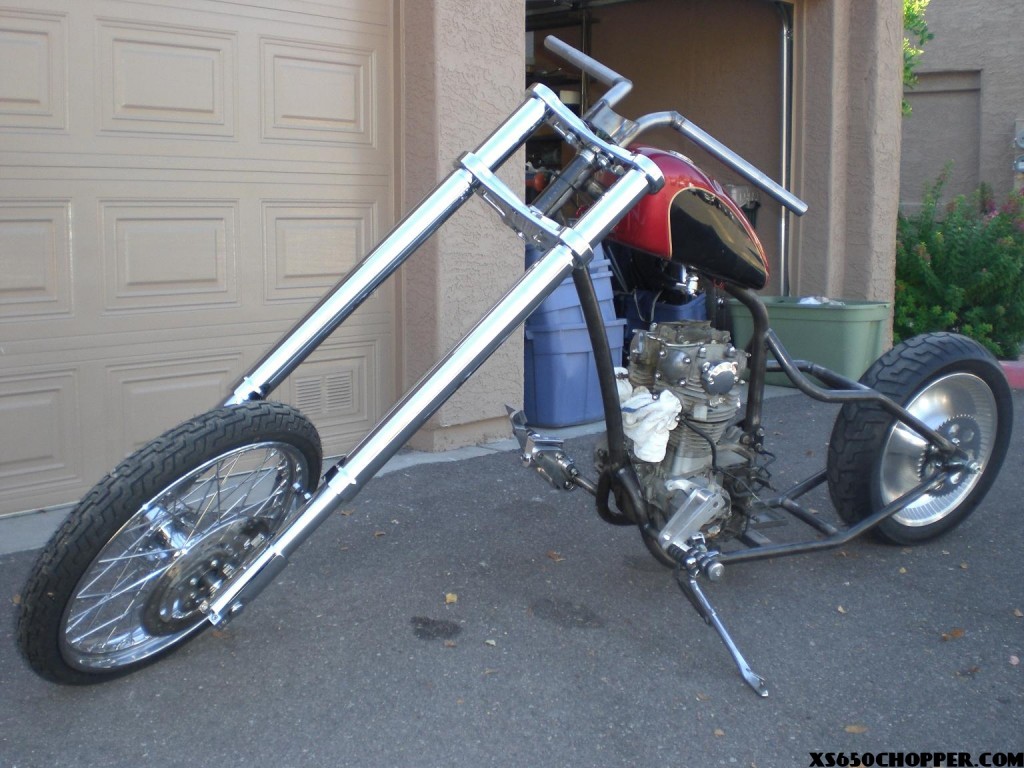
What if you woke up one morning with a half-finished chopper in your garage, its gleaming frame whispering promises of open roads and wind in your hair—but also the gnawing dread of a budget spiraling out of control? The allure of a custom motorcycle project is undeniable: the thrill of crafting something uniquely yours, the satisfaction of transforming raw metal into a rolling work of art. Yet, lurking beneath that excitement is a question that haunts every DIY dreamer: How much will it really cost to turn this skeletal beauty into a road-ready beast?
The Allure of the Half-Finished Dream
There’s something almost poetic about a half-finished chopper. It’s not just a machine; it’s a canvas, a challenge, a rebellion against the mass-produced monotony of modern motorcycles. The frame, stripped of its factory skin, stands as a testament to potential—each weld a promise, each bolt a whisper of the journey ahead. But this romantic vision often collides with reality when the first invoice arrives. The cost of completing a chopper isn’t just about parts; it’s about the hidden toll of time, patience, and the occasional existential crisis when a seemingly simple repair spirals into a weekend-long odyssey.
Consider the frame itself. A half-finished chopper might arrive with a meticulously crafted backbone, but what about the forks? The swingarm? The engine—oh, the engine. That’s where the fun (and the financial hemorrhage) truly begins. A stock engine might seem like a bargain until you realize it’s held together by duct tape and hope. The allure of a half-finished project is intoxicating, but the devil, as they say, is in the details.
The Engine: Heart of the Beast, Wallet’s Nemesis
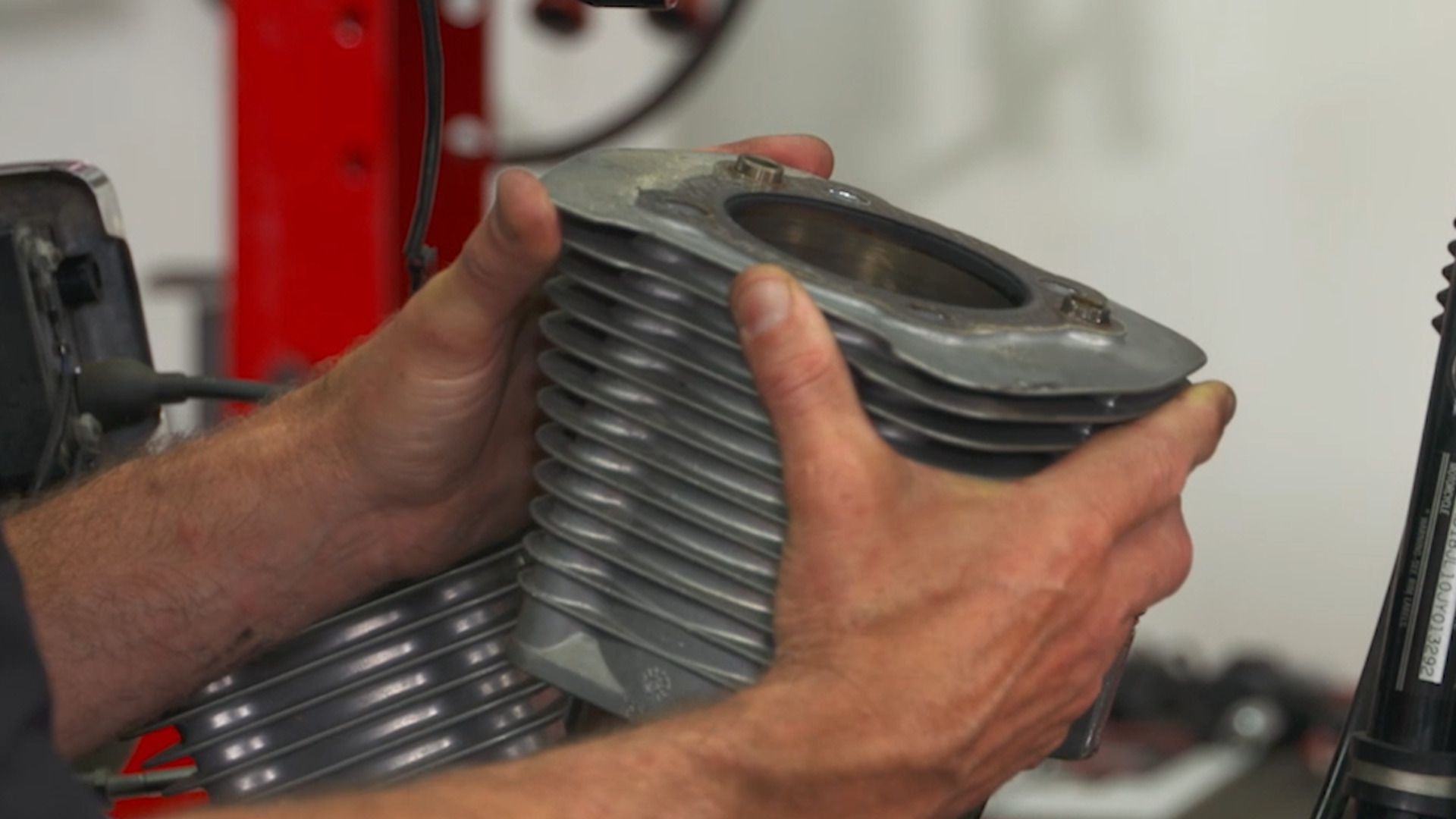
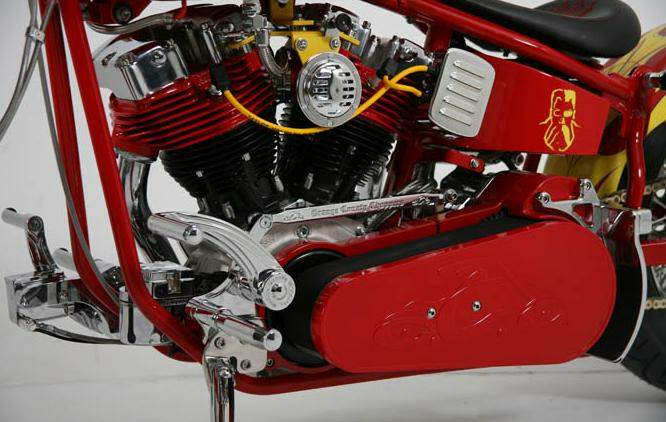
The engine is the soul of any motorcycle, but in a chopper, it’s also the most expensive gamble. A half-finished project might come with an engine that’s “mostly there”—but what does “mostly” even mean? Is it missing a piston? A camshaft? A gasket that’s seen better days? The cost of an engine build can range from a few hundred dollars for a basic rebuild to tens of thousands for a high-performance crate motor. And let’s not forget the labor. Unless you’re a certified mechanic with a well-equipped garage, you’ll likely need to outsource this critical task, adding another layer of expense to the equation.
Then there’s the question of compatibility. A chopper frame might look stunning, but if it wasn’t designed with your chosen engine in mind, you’re in for a world of custom fabrication. Adapters, mounts, and modifications can quickly turn a straightforward project into a financial black hole. The engine isn’t just a component; it’s the linchpin that holds the entire build together. Skimp here, and you’ll pay the price later—literally.
The Labor of Love (and Sweat Equity)
Ah, labor costs—the silent killer of DIY dreams. Even if you’re the type who rolls up their sleeves and dives into the deep end, there’s only so much you can do alone. Welding a frame? Sure, if you’ve got the skills. Painting it? Maybe, if you’re willing to accept the inevitable streaks and sags. But what about the intricate wiring, the suspension setup, the final tuning? These are jobs best left to professionals, and professionals charge by the hour. A single misstep in the wiring harness can cost hundreds to fix. A poorly aligned suspension can turn your chopper into a wobbly death trap.
And let’s not forget the opportunity cost. Every hour you spend hunched over your project is an hour not spent earning money elsewhere. Time is money, and in the world of chopper builds, time is the most expensive currency of all. The labor of love isn’t just about passion; it’s about pragmatism. Knowing when to call in the experts can save you from a financial (and emotional) meltdown.
The Hidden Costs: From Bolts to Bureaucracy
If you think the cost of a chopper build is limited to parts and labor, think again. There are the other costs—the ones that sneak up on you like a thief in the night. Insurance, for starters. A custom chopper isn’t your average motorcycle, and insuring it can be a nightmare. Then there’s registration. Many jurisdictions have strict rules about modified vehicles, and getting your chopper street-legal can involve inspections, paperwork, and fees that rival the cost of the build itself.
Don’t forget the little things: tools. A half-finished chopper might require specialized wrenches, a torque wrench, a lift, or even a dedicated workspace. These aren’t one-time purchases; they’re investments in your future builds. And what about the inevitable mistakes? A misaligned part, a stripped bolt, a paint job gone wrong—each error comes with its own price tag, both in dollars and in the erosion of your once-unshakable confidence.
Balancing Passion and Practicality
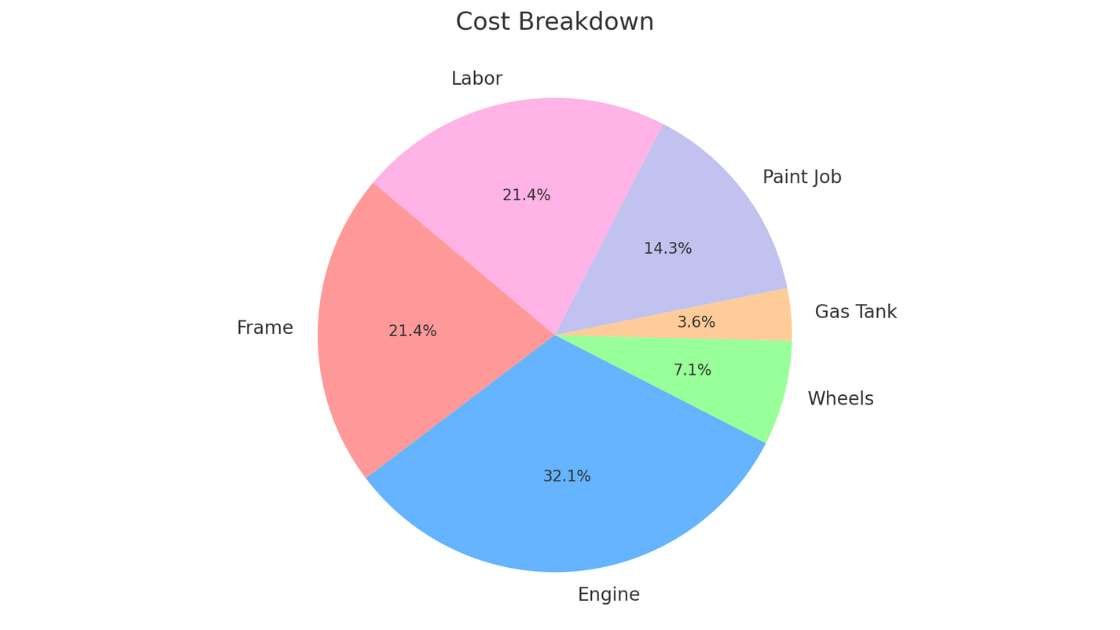
So, how do you reconcile the dream of a custom chopper with the cold, hard reality of its cost? The key is balance. Start with a realistic budget—one that accounts for the frame, the engine, labor, and the inevitable curveballs. Prioritize ruthlessly. If the engine is the heart of your chopper, allocate more funds there and scale back elsewhere. Consider sourcing parts used or refurbished to save money, but never compromise on safety-critical components like brakes or suspension.
And remember: a chopper doesn’t have to be perfect to be perfect. The beauty of a custom build lies in its imperfections—the quirks, the idiosyncrasies, the stories it will tell. Maybe your paint job isn’t flawless. Maybe the wiring harness looks like a kindergartener’s art project. Who cares? It’s yours. The real cost of a chopper build isn’t just financial; it’s the sweat, the tears, the late-night problem-solving sessions that forge a bond between builder and machine.
In the end, the cost of completing a half-finished chopper is more than a number on a spreadsheet. It’s an investment in a journey—a journey that tests your patience, your wallet, and your resolve. But if you’re willing to embrace the challenge, the reward isn’t just a motorcycle. It’s a masterpiece, a testament to your grit, and a rolling reminder that sometimes, the best things in life are the ones you build yourself.