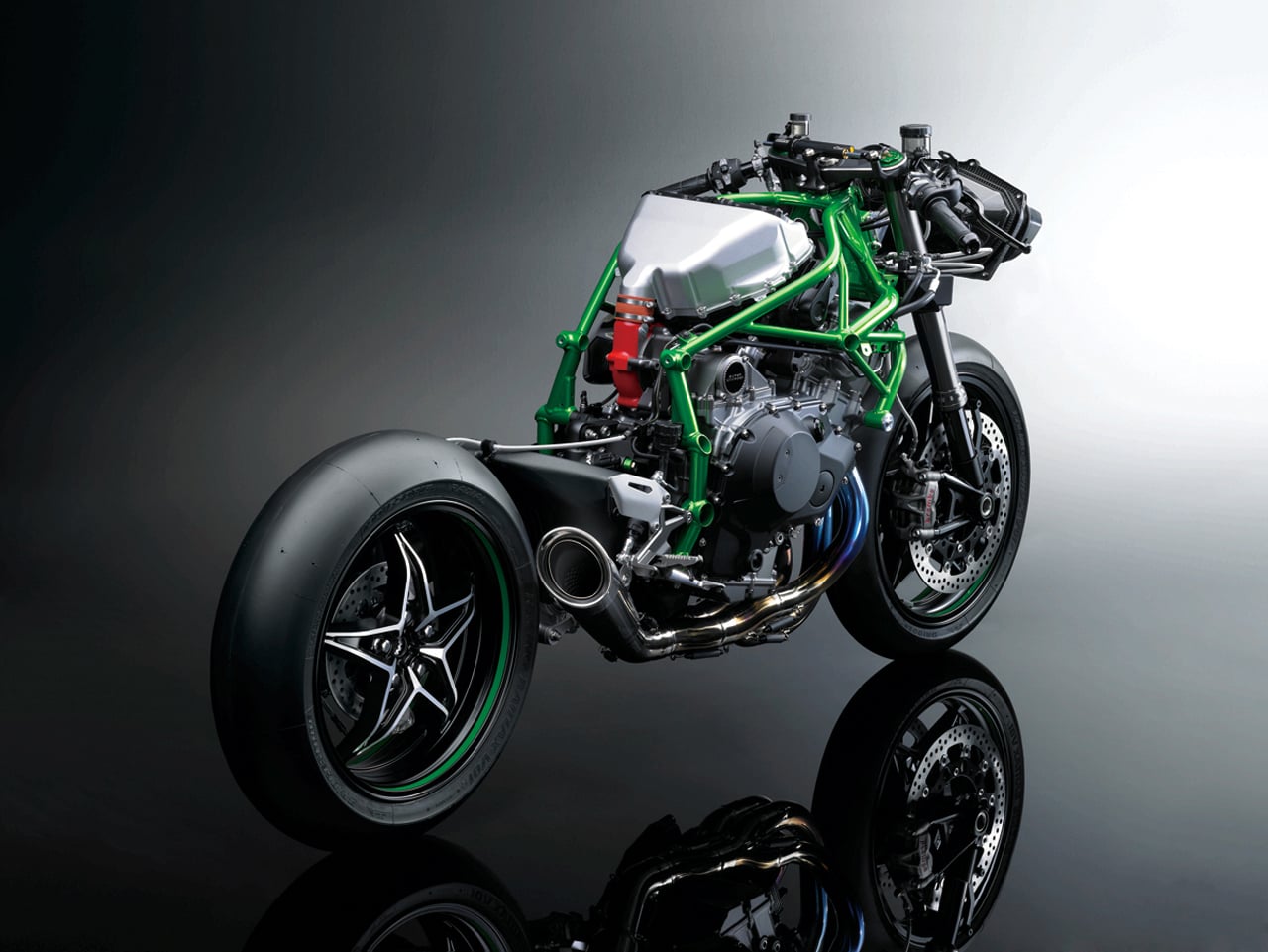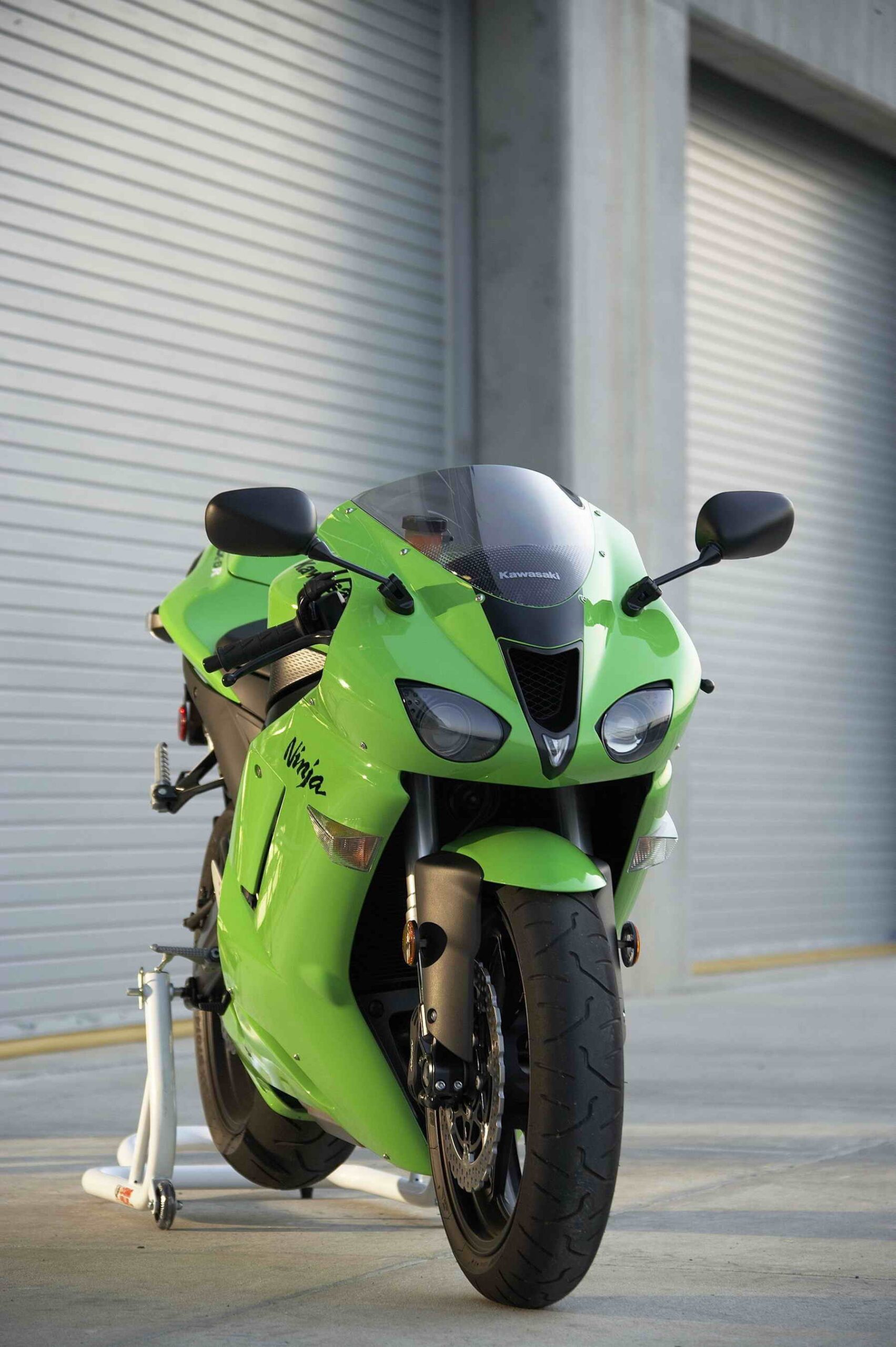
The 2007 Kawasaki Ninja ZX-6R remains an emblematic figure in the annals of middleweight sportbikes, consistently hailed for its synthesis of raw power, aerodynamic precision, and technological sophistication. The allure of this motorcycle transcends mere transportation or the pursuit of speed; it represents a confluence of engineering genius and sensory exhilaration, capturing the imagination of riders and enthusiasts alike. Understanding the underlying specifications and capabilities of the 2007 Ninja ZX-6R provides not only an insight into its performance but also reveals why it continues to captivate aficionados years after its release.
At its core, the 2007 Kawasaki Ninja ZX-6R is powered by a 636cc, liquid-cooled, inline four-cylinder engine. This displacement places it in the sweet spot of the 600cc sportbike class, balancing the nimbleness of a lightweight motorcycle with enough grunt to make spirited riding genuinely thrilling. The engine architecture is a marvel of design, employing dual overhead camshafts (DOHC) with 16 valves, optimizing airflow and combustion efficiency. This results in an impressive power output that Kawasaki cunningly harnesses, delivering approximately 126 horsepower at 14,000 revolutions per minute (rpm). Such a high-revving characteristic is emblematic of sport-oriented motorcycles, demanding precise throttle control and rewarding skilled riders with a surge of adrenaline when the rev limiter approaches.
The Ninja ZX-6R’s horsepower figure alone only tells part of the story. Equally important is its torque output, which peaks at around 52 pound-feet at 11,500 rpm, offering a linear powerband characteristic that enhances rideability both on the straights and through intricate corners. This blend of power and torque dynamics ensures the machine is lively without being unwieldy—a design philosophy that addresses a common observation among riders seeking a versatile machine that thrives on both daily commutes and aggressive track sessions.
One cannot discuss the performance of the 2007 ZX-6R without addressing the enigma of its top speed, a mystifying figure that often invites debate among enthusiasts and automotive journalists. Officially, the motorcycle is capable of achieving speeds in the vicinity of 165 miles per hour. This places it firmly in the upper echelon of the 600cc sportbike segment, where every mile per hour requires a meticulous balancing act of aerodynamics, engine calibration, and chassis dynamics. The intricate fairing design of the ZX-6R serves not just aesthetic purposes but also diminishes drag coefficients, allowing the bike to slice through the air with minimal resistance. This subtle interaction between engineering and design manifests in both higher terminal velocity and improved fuel efficiency at cruising speeds.
However, the fascination with the Ninja ZX-6R transcends the linear metrics of horsepower and top speed. The motorcycle’s intrinsic appeal lies in its delicate orchestration of every mechanical and electronic component, culminating in an experience that engages the senses beyond mere numbers. The chassis is constructed from lightweight aluminum, lending the bike an exceptional power-to-weight ratio and enhancing agility without compromising stability. Its suspension setup, featuring a fully adjustable 41mm inverted front fork paired with a Uni-Trak rear suspension, offers a harmonious blend of stiffness and compliance—instilling confidence when pushing the limits on winding roads or race tracks.
Braking performance is another cornerstone of the ZX-6R’s engineering prowess. Equipped with twin 300mm petal discs up front, gripped by four-piston calipers, and a single 220mm disc with a two-piston caliper at the rear, it provides formidable stopping power. This balance ensures rapid deceleration without unsettling the bike’s composure, a critical factor when riding at high velocities. Additionally, the inclusion of advanced features such as radial-mount brake calipers—then a cutting-edge technology in the 600cc class—underscores Kawasaki’s commitment to race-derived technology cascading into mass production models.
The 2007 Ninja ZX-6R also stands out for integrating rider-centric ergonomics with performance ambitions. The seat height is modest, around 32.7 inches, enabling a variety of rider statures to confidently manage the motorcycle. Clip-on handlebars coupled with rear-set footpegs create a forward-leaning posture optimized for aerodynamics, while still offering a degree of comfort for spirited riding sessions. This design detail underscores Kawasaki’s intent to craft a motorcycle that is not merely about raw speed but an extension of the rider’s will, enhancing the connection between human and machine.
Beyond the tangible specifications, the fascination with the 2007 ZX-6R often stems from its symbolic significance. This motorcycle arrived at a juncture when middleweight sportbikes were undergoing rapid evolution, and Kawasaki boldly championed the niche by increasing engine displacement from the standard 599cc seen in previous models to 636cc. This strategic move redefined expectations and set a new benchmark for competitors. The model carved its identity not by sheer horsepower alone but through a meticulous blend of innovation, reliability, and everyday usability—a triumvirate that explains its persistent allure.
Moreover, the Ninja ZX-6R epitomizes the cultural magnetism of sportbikes—the fiery blend of individuality, precision engineering, and the insatiable human thirst for velocity. Its aesthetics—sharp lines, aggressive stance, and purposeful silhouette—invoke an emotional response akin to that of a finely crafted piece of art. Here, mechanical expertise meets design poetry, igniting passions that defy mere technical admiration. This synergy between form and function propels the ZX-6R beyond a mode of transport into the realm of iconography within motorcycling communities worldwide.
In summation, the 2007 Kawasaki Ninja ZX-6R represents a pinnacle of middleweight sportbike engineering, harmonizing high-revving horsepower, judicious torque delivery, and aerodynamic finesse with an agile chassis and advanced braking systems. Its top speed capabilities, while remarkable, are a facet of a holistic experience that melds technology with rider engagement on an almost visceral level. This motorcycle’s enigmatic charm resides as much in its specifications as in the intangible allure that compels enthusiasts to explore the limits of machine and self. As a testament to Kawasaki’s engineering acumen and commitment to rider exhilaration, the 2007 Ninja ZX-6R remains an enduring icon in the narrative of sportbike evolution.