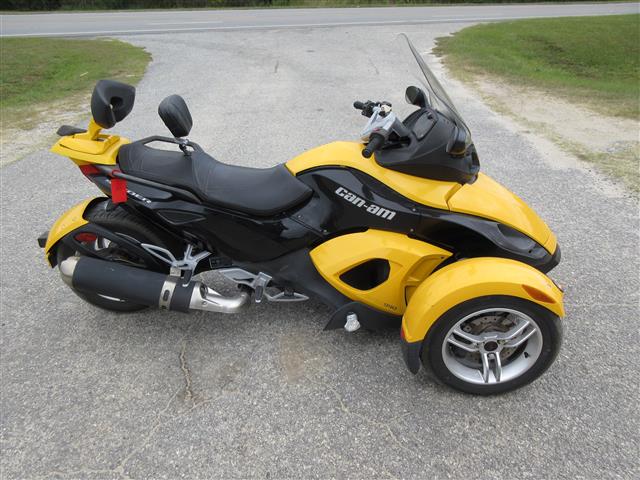
The 2008 Can-Am Spyder occupies a distinctive niche in the world of motorized vehicles, straddling the conventional classification of motorcycles while challenging traditional perceptions of what a two-wheeled machine entails. At first glance, its unique three-wheeled architecture defies the expectations of motorcycle purists and casual observers alike. Yet, beneath its unconventional frame lies a complex amalgamation of engineering innovation, aesthetic appeal, and purpose-driven functionality that demands a comprehensive exploration.
The question “Motorcycle or something else?” invites a multifaceted analysis, one that delves into the nuances of design, performance, legal classification, and rider experience. This article aims to furnish readers with a detailed understanding of the 2008 Can-Am Spyder’s essence, offering insights that transcend mere identification and venture into the realm of experiential and technical profundity.
Design and Structural Overview
The Can-Am Spyder’s design is immediately arresting: it features a reverse trike configuration with two front wheels and a single rear wheel. This layout diverges markedly from the archetypal motorcycle silhouette, which traditionally consists of two wheels aligned longitudinally. The rationale behind this design is rooted in stability and handling precision, offering enhanced lateral grip and diminished tipping risk during cornering maneuvers.
Its chassis is robust yet lightweight, engineered to support varied riding conditions with structural integrity. The front wheels are mounted on independent suspension arms, a feature more reminiscent of automotive design than motorcycle mechanics. This contributes to precise steering feedback and minimizes camber changes, ensuring that the tires maintain optimal contact with the road surface. Additionally, the frame geometry promotes rider ergonomics, facilitating a commanding yet comfortable posture that accommodates both novice riders and seasoned enthusiasts.
Powertrain and Performance Dynamics
Under the hood, the 2008 Can-Am Spyder is powered by a Rotax 998cc V-twin engine. This powerplant provides a harmonious blend of torque and horsepower, offering brisk acceleration and competent top-end performance. The engine’s configuration, coupled with a semi-automatic transmission option, broadens accessibility, catering to riders who may find manual clutch operation cumbersome or intimidating.
Performance enthusiasts will appreciate the Spyder’s capability to deliver spirited rides without sacrificing control. The additional front-wheel contact patches impart confidence-inspiring braking and cornering abilities rarely available in conventional motorcycles of comparable displacement. Moreover, the Spyder’s electronic stability program and traction control systems are pioneering inclusions for its era, spotlighting a commitment to rider safety and technological sophistication.
Rider Experience and Practical Utility
The rider’s ordeal aboard the 2008 Can-Am Spyder can be characterized as a marriage of exhilaration and reassurance. Its three-wheeled design eradicates the precarious balance act intrinsic to two-wheeled motorcycles, thus alleviating anxiety for newcomers and individuals with balance concerns. The seating position affords generous visibility and an upright stance, enhancing situational awareness and long-distance comfort.
This model also appeals to a unique demographic segment: those seeking motorcycle-like freedom without the associated physical demands. It lends itself to diverse scenarios ranging from leisurely weekend rides along scenic byways to practical urban commutes. The inclusion of ample storage compartments and accessory options further augments its utility, transforming the Spyder into a viable option for touring and everyday transport alike.
Legal and Classification Considerations
From a regulatory perspective, the Can-Am Spyder occupies a liminal space. In many jurisdictions, it is classified as a motorcycle despite its three-wheeled structure. However, licensing requirements and helmet laws can vary significantly, influenced by local statutes. This ambiguity necessitates prospective owners to investigate regional regulations carefully before assuming general motorcycle privileges.
This hybrid classification also influences insurance policies, which may differ from those applicable to traditional two-wheelers or four-wheeled vehicles. Prospective buyers thus benefit from comprehensive due diligence to navigate potential legal nuances, ensuring compliance while maximizing the Spyder’s advantages.
Comparative Analysis: Can-Am Spyder vs. Traditional Motorcycles
Juxtaposing the Can-Am Spyder with classic motorcycles illuminates several contrasts and complementarities. While it shares many fundamental components such as the internal combustion engine and motorcycle-like controls, the additional wheel confers attributes like augmented stability, which is absent in traditional bikes. This stability translates into an approachable learning curve, enabling a broader audience to relish motorcycling experiences without the apprehension of tipping over.
Conversely, some motorcycle aficionados argue that the Spyder lacks the visceral thrill and lean-in dynamics that define the sport. It is less agile in dense traffic and narrower lanes due to its wider front profile. Understanding these trade-offs is crucial for riders to align their expectations and preferences with the vehicle’s inherent characteristics.
Technological Innovations and Safety Features
The 2008 Can-Am Spyder introduced numerous technological advancements that were remarkably forward-thinking for its time. Electronic stability control (ESC), anti-lock braking system (ABS), and traction control collectively deliver a safeguarded ride, mitigating common hazards such as wheel slip and loss of control on varied surfaces.
Further, the Spyder’s steering system employs a “Y-frame” configuration paired with rack-and-pinion mechanics, delivering precision and responsiveness superior to that of typical motorcycles. These systems coalesce to form a total package that merges thrilling performance with reassuring security.
Cultural and Community Impact
Beyond the mechanical and legal realms, the Can-Am Spyder has fostered a vibrant community and subculture. Owners often congregate in clubs and events dedicated exclusively to these machines, celebrating their uniqueness. This camaraderie is emblematic of the Spyder’s status not merely as a vehicle but as a lifestyle emblem, appealing to those who prize individuality and innovation over conformity.
The Spyder also garners interest from riders returning to motorcycling post-injury or those with physical limitations, amplifying its impact by democratizing the riding experience.
Conclusion
The 2008 Can-Am Spyder transcends conventional vehicle typologies, melding the essence of motorcycling with the stability and comfort of a three-wheeled frame. Whether it is classified strictly as a motorcycle or viewed through a broader lens, it represents a compelling synthesis of design ingenuity, performance capability, and user-centric innovation.
Readers can anticipate a thoroughly engaging exploration of this vehicle’s facets: from intricate technical specifications and experiential narratives to legal interpretations and cultural ramifications. Its story is one of disruption, adaptation, and evolution—challenging the norms and carving a distinct path in the landscape of motorized transport.