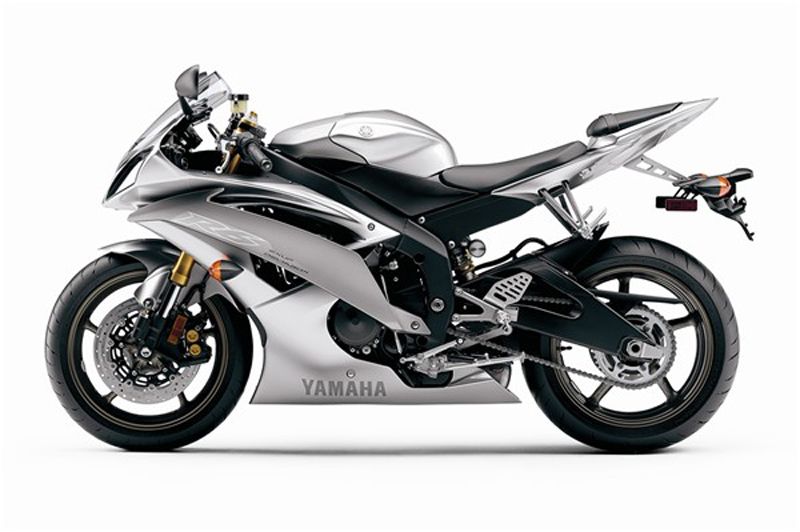
The 2008 Yamaha YZF-R6 stands as a paragon in the supersport motorcycle segment, renowned for its razor-sharp design, blistering performance, and cutting-edge technology. Its reverberation in the motorcycling world is not only due to its aggressive aesthetics but also owing to its finely balanced amalgamation of horsepower, weight, and velocity capabilities. This analysis delves into the 0–60 acceleration, horsepower, weight, and top speed of the 2008 Yamaha R6, offering a comprehensive perspective for enthusiasts, prospective buyers, and aficionados keen on understanding what this machine truly offers on and off the track.
At the heart of the 2008 Yamaha R6 lies its nimble and potent engine. Powered by a 599cc, inline four-cylinder DOHC, liquid-cooled powerplant, this motorcycle generates an estimated 120 horsepower at 14,500 rpm. This exceptional power-to-weight ratio is what positions the R6 as a dominant force in its class. The limited displacement, complemented by high-revving capabilities, allows it to deliver peak horsepower that translates into razor-sharp throttle response and instantaneous acceleration.
A critical factor that often defines a sportbike’s liveliness is its mass, and the 2008 R6 takes great strides here by emphasizing lightweight engineering. The bike tips the scales around 410 pounds (186 kilograms) when dry, a proficient balance that aids handling dynamics, braking response, and overall agility. This weight parameter is crucial, especially considering the stature and chassis design of the R6, which utilizes an aluminum frame to mitigate unnecessary mass without compromising structural integrity.

When contemplating the exhilarating 0–60 mph sprint, the 2008 Yamaha R6 excels remarkably. An acceleration time under 3.0 seconds is widely reported, though real-world conditions and rider proficiency may influence this figure. The bike’s seamless engine delivery and meticulously tuned suspension ensure that the initial burst off the line is not marred by wheel spin or instability. The precise throttle calibration, combined with superior traction control, facilitates a launch that is both aggressive and controlled.
However, acceleration is only a portion of the narrative. The top speed of the 2008 Yamaha R6 is an equally riveting metric, showcasing the bike’s ability to sustain high velocities. Yamaha engineered this supersport to touch speeds around 165 to 170 mph (approximately 265 to 274 km/h), situating it competitively within the middleweight segment. Attaining such velocity requires not just raw horsepower but also an aerodynamic chassis design that slices through the air with minimal drag. The R6’s fairings and riding posture contribute to this aerodynamic efficiency, enabling the rider to exploit the bike’s full potential on straights and sweeping bends alike.
Beyond mere numbers, the 2008 Yamaha R6 embodies a symphony of finely tuned mechanical and electronic components. Its slipper clutch assists in maintaining rear-wheel traction during aggressive downshifts, while the adjustable suspension allows riders to tailor the ride to their preferences and riding conditions. These elements synergistically improve acceleration responsiveness and overall handling, indirectly influencing performance metrics such as 0–60 times and stability at top speeds.
For those fascinated by how the R6 stacks up against competitors, it’s notable that while other middleweight sportbikes might offer marginally higher horsepower or lower dry weight, the R6 maintains a distinctive edge in its holistic performance package. Its balanced fusion of power output, lightweight chassis, and aerodynamic efficiency culminates in a dynamic that appeals to both seasoned racers and everyday riders seeking spirited performance with manageable control.
Intriguingly, rider experience with the 2008 Yamaha R6’s performance metrics varies depending on various factors, including track versus street conditions, rider skill, and environmental influences like temperature and altitude. A seasoned rider pushing the bike on a closed circuit might exploit its acceleration and top speed to their fullest extent, while an urban rider may benefit more from the bike’s nimbleness and throttle precision during quick bursts of speed through traffic rather than prolonged high-speed runs.
The technological sophistication embedded in the 2008 Yamaha R6 also contributes to its standing in motorcycle lore. Features such as fuel injection programming, a sophisticated intake system, and lightweight cast wheels reduce engine lag, improve throttle responsiveness, and further trim unsprung weight. These advancements enhance both acceleration and handling, creating an intersecting graph of performance attributes that cater to adrenaline-seeking riders.
A critical, yet sometimes overlooked aspect is the impact of the Yamaha R6’s power and weight balance on rider confidence and safety. A motorcycle that is too heavy can fatigue the rider and blunt handling, whereas one that is too light without adequate power may struggle in acceleration phases. The 2008 R6 strikes an equilibrium that promotes aggressive yet controllable riding dynamics, enabling riders to harness the full extent of its capabilities without being overwhelmed. This fine balance is particularly evident when executing quick maneuvers or high-speed cornering where both the engine’s response and the chassis’ rigidity are tested simultaneously.
In summary, the 2008 Yamaha YZF-R6 represents a consummate superset of engineering excellence, combining a high-revving 120 horsepower engine, meticulously crafted lightweight chassis, and aerodynamic sophistication that collectively endow it with outstanding 0–60 acceleration and top-speed capabilities. Its acceleration times under 3 seconds and top speeds approaching 170 mph underscore its status as a formidable supersport contender.
From the adrenaline-pumping blast off the line to the controlled, aerodynamic glide at triple-digit speeds, the Yamaha R6 encapsulates everything a motorcyclist seeks in a middleweight sportbike. Whether on a track day pushing the limits or navigating twisty backroads, it emanates an aura of precision and exhilarating power that defines a true Japanese engineering masterpiece.