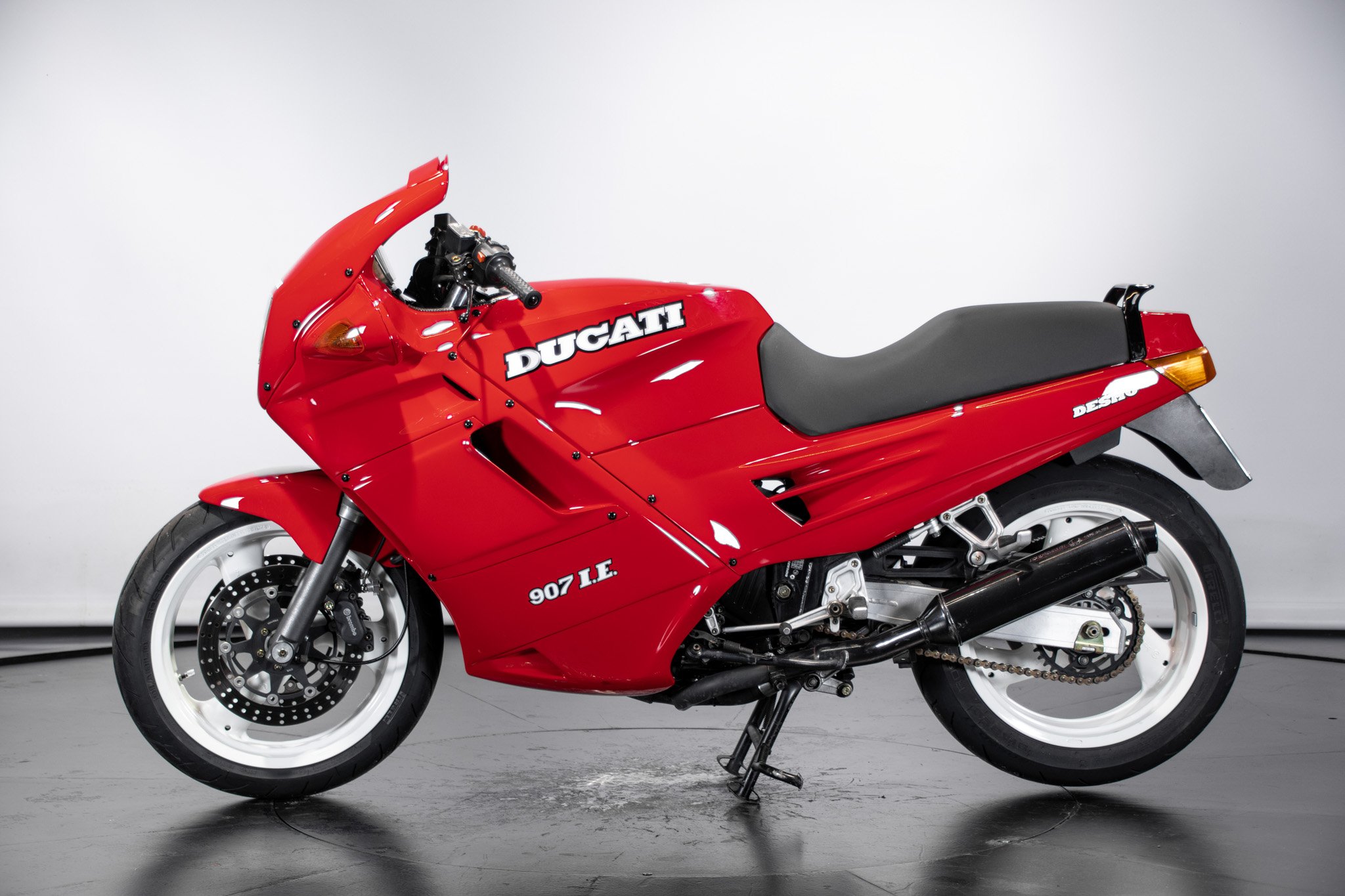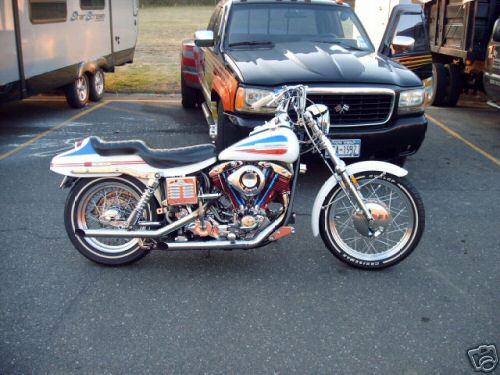
In the vast tapestry of motorcycle history, the 1970s emerge as a vibrant mosaic of innovation, style, and raw mechanical charisma. These machines are not merely relics of a bygone era; they are roaring testaments to an age when design met daring, and performance flirted with rebellion. Today, the motorcycles born from that decade are not just preserved—they are cherished, coveted, and, in the captivating dance of market forces, are skyrocketing in value with a fervor matched only by their original roar across open roads.
To understand the meteoric rise in the value of 1970s motorcycles requires more than a cursory glance at their specs or aesthetics. These bikes are metaphoric phoenixes, rising from the ashes of vintage obscurity into coveted icons of cultural and mechanical heritage. They represent a synergy of technological progress and artistic expression—a fusion that has enraptured collectors, enthusiasts, and investors alike.
During the 1970s, motorcycles underwent a transformative renaissance. Consider the epoch’s defining models: the Kawasaki Z1, Honda CB750, Ducati 750SS, and BMW R90S. Each of these machines is a narrative in itself, emblematic of different facets of engineering excellence and stylistic bravado. The Kawasaki Z1, for instance, labeled the “King of Motorcycles,” was a thunderous breakthrough with its legendary inline-four engine delivering unprecedented power and reliability. The Honda CB750 is often hailed as a cornerstone in motorcycle evolution, introducing features that would become industry standards. Meanwhile, Ducati’s 750SS embodied Italian finesse, marrying aerodynamics with the soulful rumble of a V-twin engine. BMW’s R90S combined German precision with a sporty charisma unmatched by contemporaries.

The unique appeal driving collectors to feverishly pursue these motorcycles lies not only in their engineering marvels but also in their embodiment of a cultural zeitgeist. The 1970s were an era of counterculture and freedom, where the motorcycle was more than a vehicle—it was an extension of identity and rebellion. This intangible aura weaves through the metal and leather, forever elevating these machines beyond mere transportation into symbols of personal liberation and style.
Scarcity plays a profound role in amplifying the allure and value of these motorcycles. Time, the relentless curator, has not been kind to many of these models. Owing to a combination of factors—mechanical attrition, changing consumer preferences, and the transition to modern bikes—the surviving specimens of this decade have become exquisite rarities. Many exist as museum-quality artifacts that evoke admiration akin to classical art; others dwell in private collections where their owners guard them as precious heirlooms. This scarcity fuels desire, a paradoxical hunger for machines that once were objects of everyday use but now represent the rarity of a golden era.
The market trends reflect this growing fascination and rarity. Astonishing auction results have revealed that some 1970s motorcycles are commanding six-figure prices, rivaling the appreciation seen in classic automobiles and fine art. Notably, bikes restored to factory specifications, bearing original documentation and minimal restoration, amplify their value exponentially. These machines have become blue-chip assets in alternative investment portfolios, blending passion with profitability.
Technological and aesthetic features intrinsic to 1970s motorcycles speak to their timeless allure. Unlike the slick, plastic-draped modern motorcycles, these machines flaunt their mechanical guts with unapologetic boldness. Their smoked gauges, exposed carburetors, chrome accents, and firm, angular bodywork elicit a tactile connection to a rawer era. The tactile detonation of the carbureted engines, the analog instrumentation, and the minimalist electronics are not obsolescence but rather badges of honor that distinguish their presence and enhance the sensory experience of riding or owning one.
The riding culture associated with these motorcycles enhances their mystique. The 1970s saw the rise of iconic motorcycle clubs and free-spirited road trips immortalized in films and photography. Owning such a motorcycle is to possess a key to that storied past—a tangible connection to sun-drenched highways and neon-lit chicanes that echo with years of nostalgic reveries. This emotional gravitas elevates the ownership from transactional to experiential. In an age dominated by electric efficiency, these roaring beasts of steel beckon those yearning for authenticity.
For collectors, the journey to acquire these motorcycles is often an epic odyssey filled with meticulous restoration, provenance research, and the quest for elusive original parts. This labor-intensive devotion only intensifies the value—both sentimental and monetary. The confluence of rarity, condition, and historical significance forms a triumvirate that defines the premium placed on these artifacts.
Moreover, advances in motorcycle restoration techniques, fueled by an increased availability of resources and expert craftsmen, have made it feasible to resurrect these classics to their former glory. Specialized workshops reproduce original components, from period-correct paint schemes to authentic mechanical assemblies, preserving not just the functionality but the soul of the machines. This revitalization ensures that the allure of 1970s motorcycles will endure, continuing to captivate future generations.
The remarkable phenomenon of rising valuations is not solely a market response but a reflection of broader cultural shifts valuing heritage and craftsmanship. In a digital, disposable age, these motorcycles are havens of analog authenticity. They speak to enthusiasts’ desire for tactile engagement, historical continuity, and the thrill of mastery over machine—a counterpoint to the ephemeral nature of modern consumer products.
In conclusion, the meteoric rise in value of 1970s motorcycles is not an incidental bubble fueled by nostalgia but a profound reawakening of appreciation for machines that encapsulate artistry, innovation, and cultural resonance. They are mechanical jewels whose worth transcends mere numbers, embodying a spirit of adventure, freedom, and enduring style. For those fortunate enough to own, restore, or ride one, these motorcycles offer a passage through time—a conduit to savor the exhilarating symphony of the past while standing firmly in the present. Their engines may be vintage, but their appeal is eternally unsilenced.