In the realm of cruiser motorcycles, the year 2009 stands as a battleground where three titans—the Harley-Davidson, the Kawasaki Vulcan, and the Honda Shadow—locked horns. Each contender represents a distinct symphony of engineering prowess, cultural ethos, and aesthetic allure. This battle is no mere comparison of machines but a dance of souls, a riveting duel where power, style, and identity converge on two wheels.
Imagine the open road as a canvas, and these cruisers as bold brushstrokes embodying raw emotion and technical mastery. Harley-Davidson, the venerable icon, commands with an aura forged in American legend. The Kawasaki Vulcan emerges as the nimble challenger, weaving Japanese precision with muscular flair. Meanwhile, the Honda Shadow offers a balanced temperament—an understated elegance that whispers sophistication rather than shouting dominance.
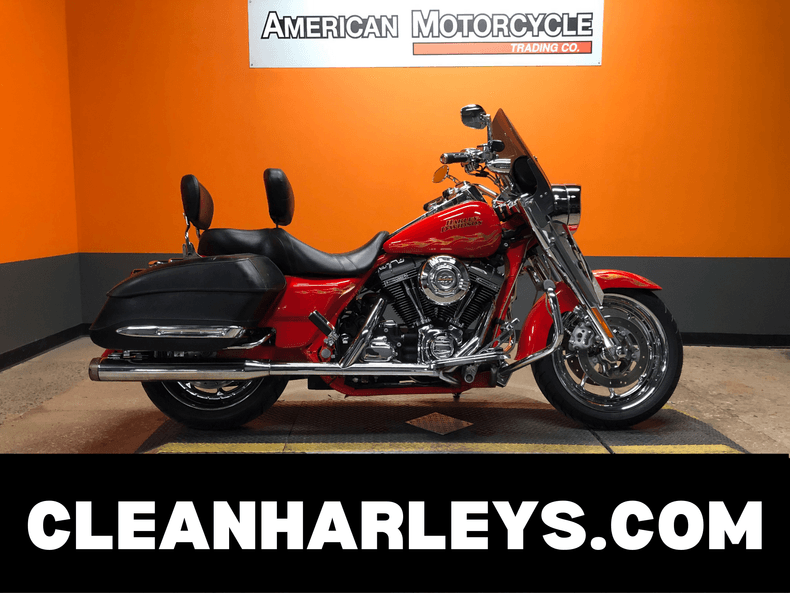
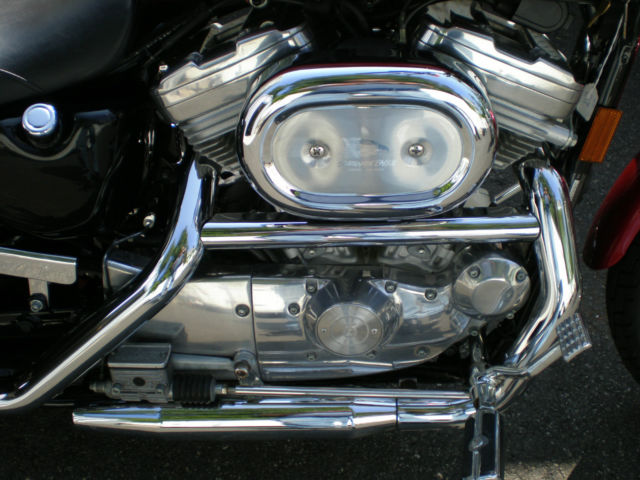
At the heart of this triad, the Harley-Davidson embodies the embodiment of freedom’s call. Its V-twin engine rumbles with a sonorous timbre, a low-frequency growl that resonates deep within the marrow of the rider’s spirit. The 2009 models remained true to this law of tradition; the Softail and Dyna lines encapsulated a perfect blend of heritage and contemporary technology. The exposed belt drives and chrome detailing speak to a commitment to mechanical honesty. Each twist of the throttle unfurls a visceral roar akin to a lion’s defiant growl heralding liberty. The design language favors bold contours and muscular silhouettes, making a statement that Harley is not just a motorcycle but a way of life.

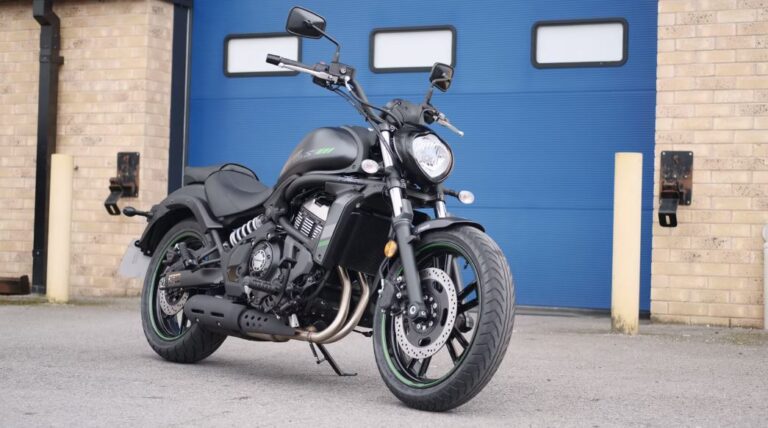
Kawasaki’s Vulcan series, however, strikes a contrasting chord. Often likened to a finely tuned orchestra, the Vulcan prides itself on a seamless synthesis of performance and comfort. The 2009 Vulcan 900 Classic, for example, showcased an engine that thrummed with a steady, controlled heartbeat, bearing an unmistakable Japanese craftsmanship precision. Unlike Harley’s deeper growl, the Vulcan’s exhaust note is cleaner, more refined—an urbane gentleman’s whispered invitation to long highway haunts. Aesthetically, the Vulcan balances chrome with subtle matte finishes and a sculpted fuel tank that elongates its profile, evoking a sense of sleek agility rather than brute force. It appeals to riders who seek reliability fused with style, avoiding the flamboyance but capturing attention through restrained elegance.
The Honda Shadow enters the fray wielding a different weapon: versatility. Its 2009 lineup spanned several variants, including the Shadow Spirit and Shadow Aero, each with a personality tailored to diverse riders. The machine is like a master key that opens the doors to multiple riding experiences. Honda’s liquid-cooled V-twin engines are remarkably smooth, offering a temperament that is forgiving yet spirited. The Shadow’s styling is classic, marrying retro charm with modern ergonomics. It sports broad seats and forward-mounted foot pegs that invite long-distance pilgrimages with a degree of comfort that belies its muscular stance. The exhaust produces a melodic purr, less aggressive than the Harley’s thunder but more insistent than the Vulcan’s polite hum—a middle ground that seduces those who desire both performance and approachability.
Delving deeper into chassis and handling, Harley-Davidson adheres to its traditional heavyweight underpinnings. The Softail’s hidden rear suspension projects a heritage-inspired frame that swallows road imperfections with a plushness befitting the old cruiser ideal. Its weight and geometry promote a relaxed, gliding style rather than aggressive maneuvers—a philosophy reinforced by wide handlebars and a forward-raked front fork. The Vulcan, on the other hand, integrates a more contemporary chassis design, lighter and more responsive. It responds with nimble precision to cornering inputs, beckoning riders who crave an interplay between cruiser comfort and sportier agility. Honda’s Shadow, straddling these extremes, offers stability without lethargy, allowing for effortless highway cruising and competent urban weaving alike.
Customization—an ethos deeply ingrained in Cruiser culture—is another arena where these three diverge meaningfully. Harley-Davidson stands unrivaled in the aftermarket ecosystem, with virtually limitless opportunities for personalization. From intricate paint schemes to chrome embellishments and performance parts, Harley invites riders to make their machine a rolling testament to individual identity and craftsmanship. The Vulcan, while supported by Kawasaki’s growing aftermarket presence, leans towards a more factory-coherent design philosophy, encouraging a subtle personal touch that retains the bike’s integrated aesthetic. Honda’s Shadow balances these approaches, offering solid OEM accessories and compatible third-party parts that facilitate tasteful modifications without overwhelming the base machine’s integrity.
When it comes to rider experience, each machine projects a unique narrative. The Harley-Davidson is a ritualistic encounter—each ride is a communion with legacy and rebellion, fueled by rumbling thunder and the wind’s hypnotic caress. The Vulcan presents itself as a pragmatic companion, whispering reliability and embodying efficiency without sacrificing charisma. Meanwhile, the Honda Shadow invites familiarity and ease, making the cruiser genre accessible to newcomers and veterans alike, wrapping its rider in reassuring comfort and dependable performance.
Ultimately, the 2009 cruiser battle is not about declaring an unequivocal victor. It is a study in contrasts and complementarity. Harley-Davidson is the roaring saxophone solo in a jazz ensemble—impossible to ignore, bursting with personality and historical weight. The Kawasaki Vulcan is the steady bassline, underpinning the composition with textured sophistication and balance. Honda Shadow represents the rhythm guitar, versatile and unpretentious, weaving harmony amidst the intensity.
Choosing between these three is less an act of comparison and more a journey of self-revelation. It challenges the rider to define what freedom means within their own soundtrack—whether it is the Harley’s thunderous roar, the Vulcan’s poised cadence, or the Shadow’s graceful hum. Each cruiser imparts a distinct character on the open road, turning every mile into a stanza within an ongoing epic of speed, style, and soul.