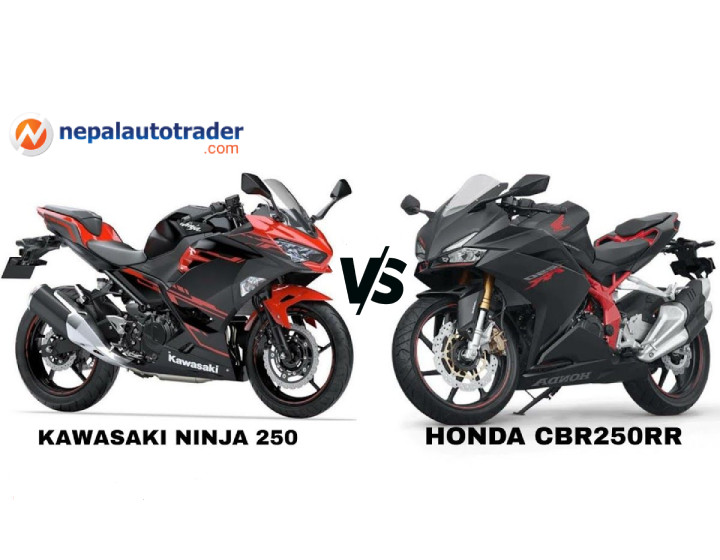
When enthusiasts discuss beginner sportbikes, the 2011 Kawasaki Ninja 250 and the Honda CBR250R inevitably dominate the conversation. Both models represent a pivotal chapter in the evolution of lightweight motorcycles, captivating novice riders and seasoned veterans alike. Their head-to-head comparisons, while rooted in technical specifications and performance metrics, allude to a deeper fascination — a testament to how an ostensibly simple motorcycle can embody innovation, design philosophy, and riding culture simultaneously.
The Kawasaki Ninja 250, by 2011, had secured its status as a juggernaut in the entry-level sportbike segment, revered for its razor-sharp aesthetics and peppy, high-revving engine. The Ninja’s twin-cylinder, 249cc engine churned out a spirited performance, rewarding riders with a lively throttle response that perfectly complemented its aggressive sport-inspired chassis. On the other side of the arena stood the Honda CBR250R, introduced as a refined contender with a focus on accessibility and efficiency, opting for a single-cylinder 249cc engine that prioritized smoothness and riding ease over raw sportiness.
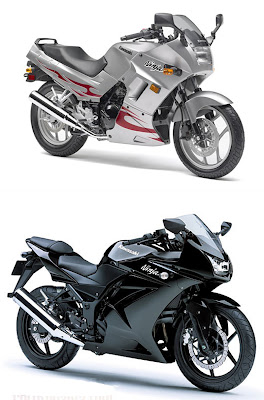
The most striking commonality between these machines is their evocative design language. The Ninja 250’s angular fairings and trademark dual headlights convey an aura of unyielding aggression, a visual cue that resonates with riders aspiring to own a miniature superbike. Its aerodynamic silhouette is not merely an aesthetic flourish; it enhances airflow and rider ergonomics, culminating in a poised yet sporty riding stance. Conversely, the CBR250R channels a more pragmatic elegance. Its single round headlight and fluid curves emphasize functionality without sacrificing style, appealing to riders seeking a balanced approach between comfort and performance.
Underneath the frame, the dichotomy between the machines becomes even more palpable. The Ninja 250’s parallel-twin engine delivers a soundtrack brimming with excitement, characterized by quick revving and a penchant for staying in the high RPM range. This engine architecture translates to stronger top-end power, making the Ninja particularly enjoyable for those who relish spirited rides on winding roads. In contrast, the CBR250R’s single-cylinder offers a torquey low-end thrust. Its delivery is linear and forgiving, easing the learning curve for riders new to motorcycling, especially in stop-and-go urban traffic.
Chassis dynamics further deepen this contrast. The Ninja uses a steel trellis frame renowned for its rigidity and responsiveness. Coupled with its inverted front fork suspension, it offers a composed and agile ride, inviting confident cornering and sharp handling. The bike feels committed, rewarding riders who push limits with rewarding feedback. The CBR250R, on the other hand, employs a diamond-type steel frame with conventional telescopic forks. Its softer suspension settings imbue it with a plush ride quality that soaks up bumps proficiently but yields slightly to aggressive handling scenarios. This setup situates the Honda as an ideal commuter and a forgiving companion for novice riders exploring the boundaries of sportbike handling without intimidation.
The braking systems mirror the design intentions of each manufacturer. The Ninja 250’s dual front disc brakes provide robust stopping power, critical when negotiating twisty roads or sudden deceleration. Meanwhile, the CBR250R usually comes equipped with a single front disc and rear drum brake in its baseline configuration, emphasizing simplicity and cost-effectiveness. The inclusion of optional ABS on newer models further enhances its appeal for safety-conscious riders, a feature still emerging in this category during the early 2010s.
Fuel economy and maintenance considerations also play an understated yet vital role in this rivalry. The CBR250R’s single-cylinder engine is inherently more fuel-efficient, easily delivering impressive mileage figures, making it a pragmatic choice for daily commuters and budget-conscious users. Kawasaki’s twin-cylinder, while spirited, demands slightly higher fuel consumption but rewards with lively performance. Maintenance on either machine is straightforward, yet the fewer moving parts in the Honda’s engine can translate to marginally lower upkeep costs over an extended ownership period.
Ergonomics further delineate each model’s personality. The Ninja 250’s slightly aggressive riding position, characterized by higher foot pegs and lower handlebars, encourages an engaged riding posture more aligned with sport riding. This alignment appeals to those aiming for more spirited track days or spirited weekend runs. Alternatively, the CBR250R offers an upright seating position, optimizing comfort for longer rides and daily usage. Its more relaxed stance can reduce rider fatigue, a critical factor for urban riders and beginners still developing their riding endurance.
Beyond raw performance and specifications, the enduring allure of the Ninja 250 versus CBR250R comparison lies in how these motorcycles symbolize the broader cultural narrative of motorcycling itself. The Ninja embodies the thrill-seeker’s dream — a miniature sportsbike that promises adrenaline and agility. The CBR250R champions practicality blending with style, a gateway motorcycle that lowers barriers while offering a glimpse into the joy of riding. This duality reflects differing philosophies about learning, exploration, and self-expression within the motorcycle community.
In the end, choosing between the 2011 Kawasaki Ninja 250 and the Honda CBR250R is as much about personal preference and intended use as it is about technical merit. Riders drawn to an exhilarating engine note, sharper handling, and aggressive styling will likely gravitate toward the Ninja 250. Those prioritizing comfort, ease of use, and economical operation will find solace in the CBR250R’s embracing balance. Each motorcycle holds its own charm and legacy, subtly revealing why these two models occupy a cherished place in the annals of beginner sportbikes.
To appreciate these machines fully, one must look beyond mere specifications and acknowledge the intangible qualities that foster enduring rider loyalty. The excitement of mastering a bike that challenges yet rewards, the satisfaction of smooth control combined with iconic design, and the bridging of experience levels found in these motorcycles epitomize why the 2011 Ninja 250 and CBR250R remain compelling even years after their debut. Ultimately, the winner of this battle is the rider who finds their perfect match—whether it be the crisp exhilaration of the Ninja or the measured grace of the Honda.