The 1994 Honda Magna 750 stands as a distinguished example of the power cruiser genre, blending raw muscle with an unmistakable presence. This motorcycle, a product of Honda’s engineering prowess during the early ’90s, offers a compelling mix of classic cruiser aesthetics and formidable performance. Its robust V4 engine, combined with a distinctive design ethos, ensures that the Magna 750 isn’t just a mode of transportation but a statement of intent for motorcycle enthusiasts. The following review delves deeply into every aspect of this iconic bike, exploring its engine dynamics, design philosophy, rider ergonomics, and the overall riding experience.
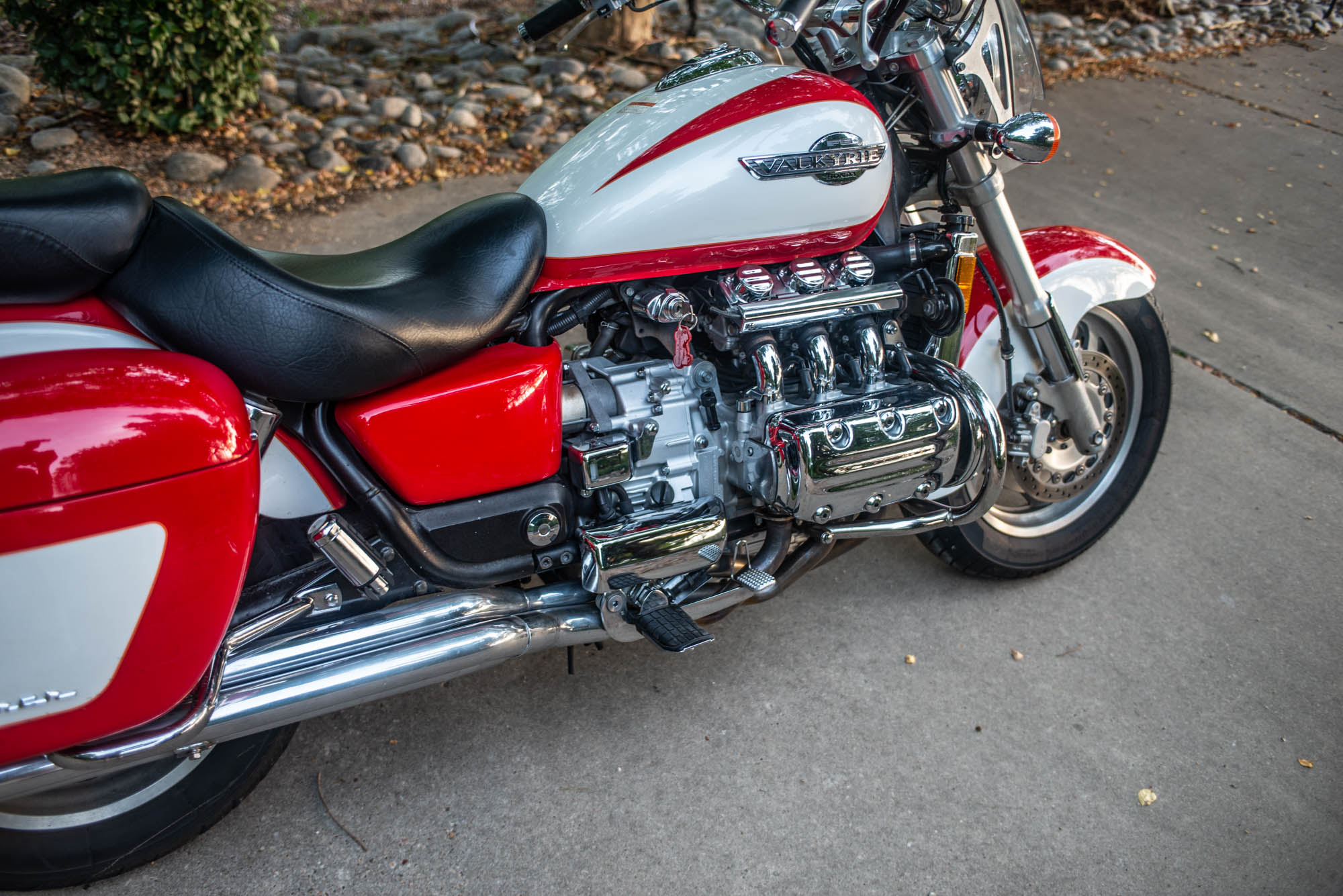
At the very heart of the 1994 Honda Magna 750 is its 748cc liquid-cooled V4 engine. This powerplant configuration is somewhat atypical for cruisers, which often rely on larger displacement V-twins. The V4 setup provides a smooth and responsive power delivery, admired for its breath of character and balanced torque curve. Generating approximately 85 horsepower at 9000 rpm and a solid torque of about 47 lb-ft, the Magna offers spirited acceleration while maintaining stability at highway speeds. The engine’s redline sits comfortably high, inviting riders to explore its upper-range powerband without hesitation. The liquid cooling system enhances reliability and thermal management, ensuring consistent performance even during extended rides or warmer climates.
Beyond raw power, the chassis and suspension components underscore the Magna’s dual intent to provide both comfort and agility. The bike features a tubular steel frame designed to withstand the stresses of spirited riding while offering a compliant ride quality. The front utilizes conventional telescopic forks, tuned carefully to absorb road imperfections without excessive stiffness. Meanwhile, the dual rear shock absorbers are adjustable, allowing riders to tailor the suspension dynamics according to personal preference or payload variations. This balance equips the Magna 750 with the capability to navigate both urban environments and open highways with aplomb.
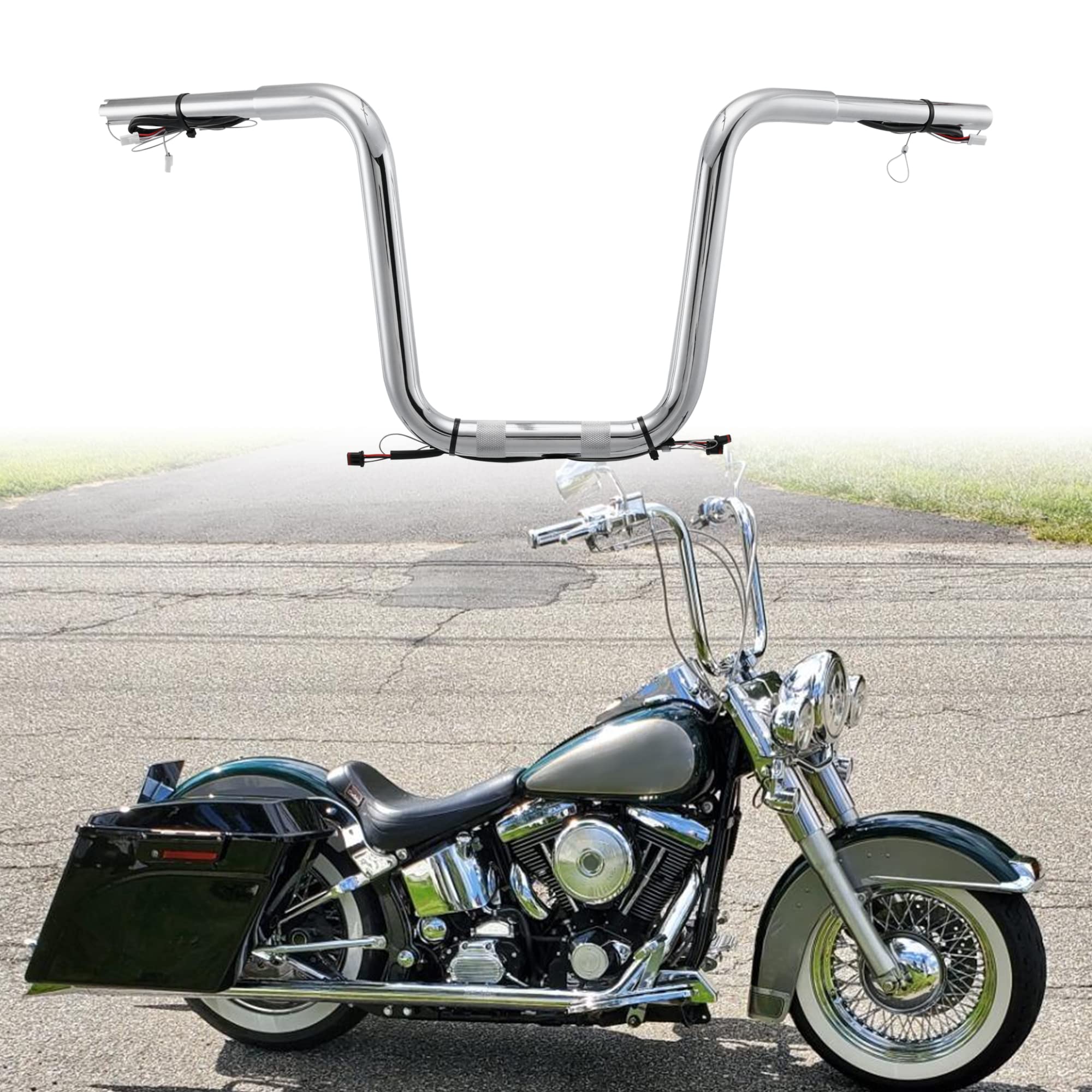
One of the standout elements of the Honda Magna 750 is its distinctive cruiser styling, which embodies a fusion of muscular proportions and refined detailing. The sculpted fuel tank, sweeping fenders, and low-slung seat establish a commanding profile that appeals to riders seeking both presence and ergonomics. Chrome accents on the exhaust system, engine covers, and handlebars add a layer of sophistication while highlighting the motorcycle’s craftsmanship. The minimalist instrumentation panel strikes a fine balance between providing essential feedback and maintaining an uncluttered cockpit, contributing to a rider-focused interface that remains intuitively accessible.
Ergonomically, the Magna 750 offers a riding posture that encourages a relaxed yet attentive stance. The mid-mounted foot controls and slightly raked handlebars create a natural arm and leg position, reducing rider fatigue during long journeys. Seat height sits at a moderate 28.5 inches, making it approachable for a wide spectrum of riders without compromising cruiser authenticity. The rider’s seat itself combines cushioning with a subtle contour that cradles the body, providing support during extended cruising hours. Passenger accommodations are also thoughtfully considered, with a detachable backrest and pegs ensuring comfort on two-up excursions.
Performance isn’t solely anchored in the engine; the braking system complements the powerhouse with adequate stopping authority. Equipped with a hydraulic disc brake at the front and a drum brake at the rear, the setup is emblematic of the era but still delivers reliable and predictable braking performance. While modern enthusiasts might desire dual discs or ABS, within its historical context, the Magna’s brakes are well-calibrated, offering the rider confidence during spirited or urban riding conditions. Tire selection on the stock model typically includes wide, balloon-style cruisers, enhancing traction and contributing to the bike’s laid-back demeanor while still allowing for controlled twisties.
The 1994 Honda Magna 750 also shines in its versatility. Unlike many muscle cruisers that lean heavily towards aggressive performance with compromise on usability, the Magna strikes a middle ground. Its manageable weight, hovering just over 500 pounds, combined with a finely tuned suspension makes it accessible to both seasoned riders and those looking to explore a power cruiser for the first time. The bike thrives in a variety of settings, whether city commuting, weekend canyon carving, or highway cruising. This breadth of use has cemented its reputation as a dependable and adaptable motorcycle capable of fulfilling multiple rider expectations.
Maintaining the Honda Magna 750 can be a rewarding experience due to both its engineering simplicity and the availability of parts. Honda’s long-standing reputation for reliability is inherited by the Magna, with routine servicing intervals and widely available replacement components making upkeep relatively straightforward. Additionally, the compact V4 engine’s architecture allows for easier mechanical access compared to larger, more complex power plants, catering to the DIY enthusiast. Fuel economy is also reasonably competitive for a cruiser with such displacement and power, offering an economical edge during long-distance rides.
In terms of rider experience, the 1994 Magna 750 has been praised for its unique sound signature – a throaty and resonant exhaust note that distinguishes it from typical V-twin cruisers. This auditory character adds an emotive dimension to the riding experience, further bonding the rider with the machine. The precise throttle response coupled with a smooth clutch and a well-weighted six-speed transmission fosters a connection that balances control and excitement. Whether accelerating through city streets or cruising serenely, the Magna articulates a sense of purposeful power and nuanced control.
When reflecting on the 1994 Honda Magna 750’s place within the broader motorcycling world, it is clear that this power cruiser embodies a fine synthesis of Japanese engineering and cruiser ethos. It offers not only robust performance but a timeless design that appeals to riders seeking individuality and substance. The bike does not chase flashiness but rather holds its own through balance, reliability, and character. It serves as a bridge between traditional cruisers and sportier motorcycles, delivering a ride that fulfills both style and substance.
In conclusion, the 1994 Honda Magna 750 is a compelling offering for motorcycle aficionados who desire a versatile, powerful, and aesthetically commanding cruiser. Its unique V4 engine layout, combined with thoughtful ergonomics and dependable mechanics, ensures a ride that is both engaging and approachable. The bike’s timeless design endears it to classic cruiser enthusiasts, while its performance credentials continue to earn respect among riders who appreciate power and precision. Whether one is a seasoned veteran or a newcomer exploring the power cruiser segment, the Magna 750 presents a compelling choice that remains relevant and admired decades after its introduction.