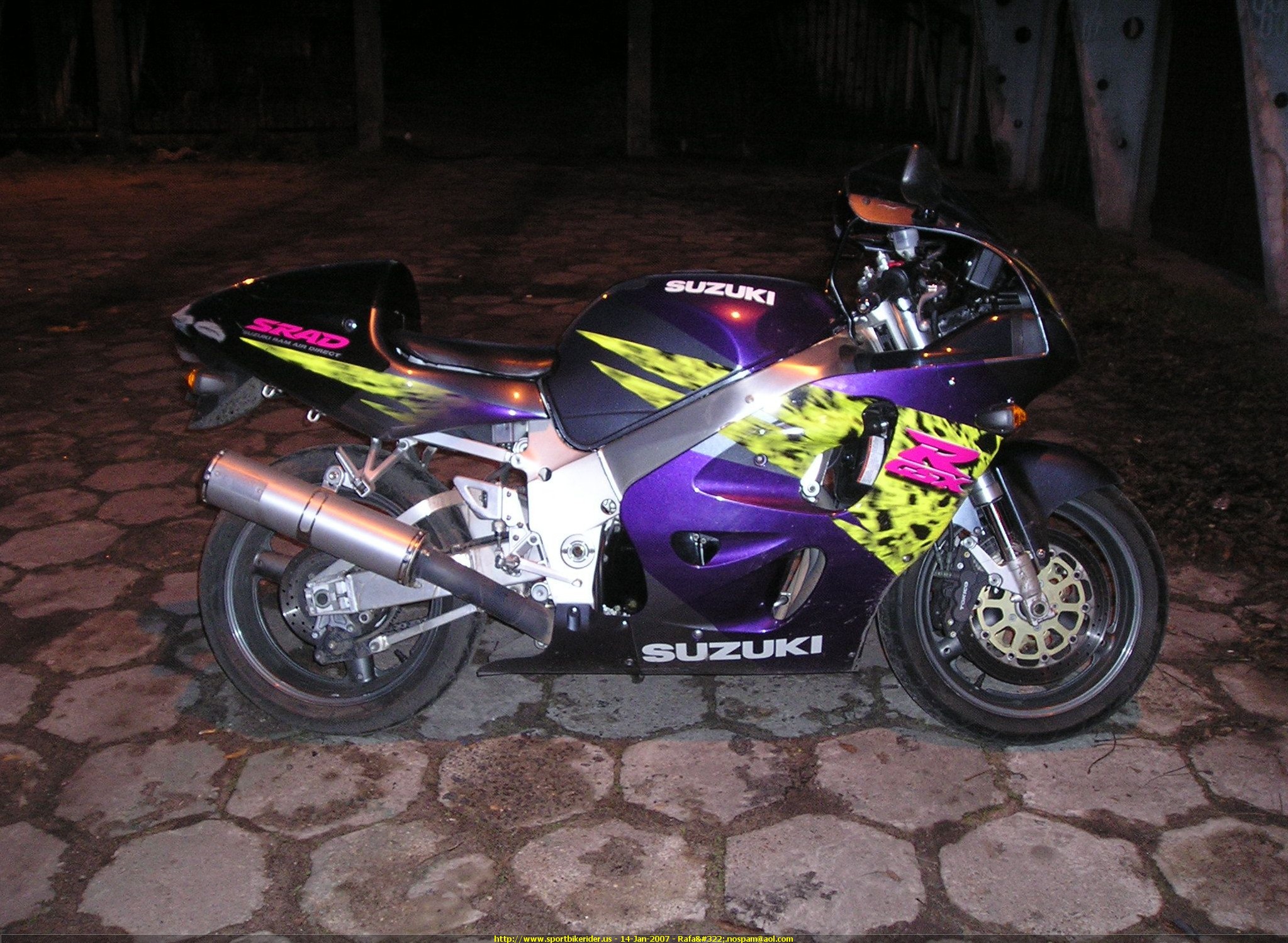
The mid-1990s marked a significant era for Suzuki’s GSX-R lineup, bringing the 1996 GSX-R600 and GSX-R750 to the forefront of sportbike enthusiasts’ minds. Both models, though similar in many respects, cater to subtly distinct desires and riding styles. For riders contemplating which model to invest in, understanding the nuanced differences is paramount. This comparison delves into the mechanical specifications, performance characteristics, handling dynamics, and overall ownership experience of the 1996 Suzuki GSX-R600 and GSX-R750 to illuminate the ideal choice for prospective buyers.
At first glance, the 1996 Suzuki GSX-R600 and GSX-R750 share a striking family resemblance, boasting the same aggressive fairing design and aerodynamic contours typical of Suzuki’s flagship sportbikes during the decade. Their chassis architecture is underpinned by a lightweight aluminum twin-spar frame, a hallmark of the GSX-R lineage that optimizes rigidity and minimizes weight. However, beneath this visual and structural confluence lie differences that influence performance and usability.
Engine and Performance Specifications
The heart of any sportbike is its engine, and here the GSX-R600 and GSX-R750 differ most markedly. The GSX-R750 houses a 750cc inline four-cylinder engine, which, in 1996, was a powerhouse capable of delivering approximately 120 horsepower. Its displacement allows for a broader torque curve and a slightly more robust mid-range and upper-end acceleration. This characteristic makes the 750 highly versatile, excelling both on twisty backroads and straight-line sprints. Riders seeking a potent dose of adrenaline will find the GSX-R750’s spirited pulse exceptionally satisfying.
Conversely, the GSX-R600 features a tightly tuned 600cc inline four-cylinder engine, developed to deliver approximately 105 horsepower. While it may seem the smaller displacement limits raw power, the engine is highly responsive and rev-happy, revving effortlessly up to and beyond the 14,000 RPM mark. This creates a more linear and measured power delivery, often appreciated by riders favoring precision and finesse over sheer explosive performance. The GSX-R600’s engine behavior is ideally suited for track day aficionados and riders requiring nimble handling in congested or technical environments.
Chassis and Handling Dynamics
Both motorcycles utilize a sophisticated suspension setup for their class, but the tuning and feedback vary to complement their powerplants. The GSX-R750 is equipped with more robust front forks and a reinforced rear shock absorber to manage the additional output. This results in a slightly firmer ride that imparts confidence at high speeds but may transmit more road imperfections to the rider, especially on rough surfaces.
Meanwhile, the GSX-R600’s suspension offers a more compliant feel—striking a balance between performance and comfort. The lighter engine and chassis eloquently translate the rider’s inputs, enabling quick direction changes and a heightened sense of connection with the road. This agility is a significant appeal for riders navigating urban landscapes or aggressively leaning into curving stretches.
Braking and Safety Features
The braking systems on both models reflect Suzuki’s commitment to safety and control. The 1996 GSX-R750 comes equipped with dual front disc brakes and a single rear disc, providing formidable stopping power suitable for its higher top-end speed. The enhancement in braking hardware and calipers ensures minimal fade and superior modulation during spirited rides.
The GSX-R600, while also benefiting from dual front discs and a single rear disc, generally features slightly lighter components that suffice given the bike’s reduced mass and performance envelope. The stopping distances on the 600 are commendable, offering confidence-inspiring braking capability tailored to its dynamic range.
Ergonomics and Riding Position
While both motorcycles adopt the aggressive sportbike posture reflective of their racing-inspired DNA, subtle differences in ergonomics influence rider comfort over extended periods. The GSX-R750’s seating position is somewhat more demanding, placing the rider in a forward-leaning stance optimized for aerodynamics and control at speed. This posture favors riders accustomed to track environments or high-intensity road riding.
The GSX-R600, by contrast, provides a slightly more relaxed cockpit layout, permitting the rider to engage in longer rides with marginally reduced fatigue. The ergonomics favor precision, making it well suited for riders transitioning from beginner to intermediate levels or those seeking daily usability without compromising performance.
Weight and Dimensions
The GSX-R600 benefits from a marginally lighter curb weight, tipping the scales around 392 pounds, compared to the 1996 GSX-R750’s approximate 432 pounds. This differential enhances the 600’s agility, particularly in stop-and-go traffic or during direction changes on twisty roads. Dimensional variances are minimal but perceptible—expressly in wheelbase length and seat height—impacting the bike’s feel and balance.
Fuel Efficiency and Practicality
Given the 600’s smaller displacement and reduced power output, it naturally offers superior fuel efficiency. Riders prioritizing cost-effective ownership and frequent commuting will find the GSX-R600 more accommodating in this regard. The 750’s thirstier engine necessitates a more substantial fuel allocation, which, albeit manageable, increases running expenses.
Storage options in both models are limited, as is expected in the sportbike segment, although the 600’s slightly more accessible riding position eases everyday maneuvering in urban settings.
Price and Market Considerations
When assessing the purchase of a 1996 Suzuki GSX-R600 versus a GSX-R750, price is an essential consideration—especially in the used market where condition, mileage, and provenance vary widely. Generally, the GSX-R600 commands a lower price tag, reflecting its smaller displacement and targeted audience. However, the availability of parts, aftermarket tuning potential, and model popularity can tilt the balance. The GSX-R750 often appeals to collectors and performance purists, maintaining higher valuation over time.
Which One Should You Buy?
Choosing between the 1996 Suzuki GSX-R600 and GSX-R750 boils down to individual riding priorities and experience level. If raw power, versatility, and an aggressive edge are paramount, the GSX-R750 is the unmistakable choice. Its broader torque curve and muscular engine delivery shine on highways and racetracks alike, providing exhilarating performance that justifies its slightly increased weight and operating costs.
Conversely, the GSX-R600 presents a harmonious blend of agility, responsiveness, and economical operation. It delights riders who value precision handling, lower entry barriers, and a nimble footprint suited for both urban and track use. Its approachable powerband makes it an excellent candidate for those progressing in their sportbike journey or anyone favoring refined control over brute force.
Ultimately, both machines embody Suzuki’s engineering excellence in the mid-nineties, delivering compelling experiences tailored to distinct sets of riding needs. An informed buyer should consider intended usage, riding style, and comfort preferences. Either choice promises engagement, excitement, and access to one of the era’s most respected sportbike families.
For enthusiasts seeking a vintage sportbike that encapsulates the spirit of 1990s Japanese engineering, the 1996 GSX-R600 and GSX-R750 remain enduring options. Whether drawn to the 600’s nimbleness or the 750’s muscular prowess, riders will find themselves partaking in a thrilling chapter of Suzuki’s storied legacy.