When delving into the realm of touring motorcycles, the late 1990s Harley-Davidson lineup presents a compelling rivalry that still captivates enthusiasts today. The 1999 Harley Road Glide and Electra Glide stand as two paragons of long-distance motorcycling, each embodying distinct philosophies in design, performance, and comfort. This comparative exploration examines these iconic machines, elucidating their nuances and what riders can expect when choosing between them.
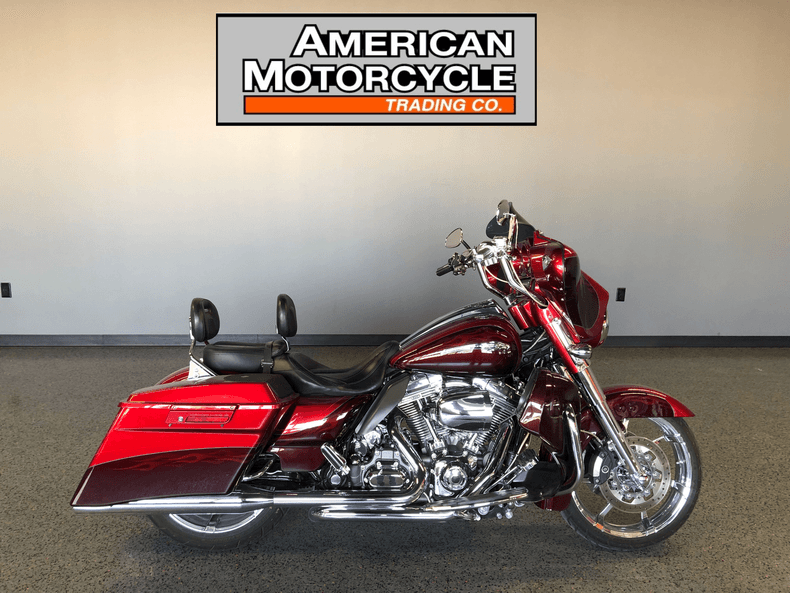
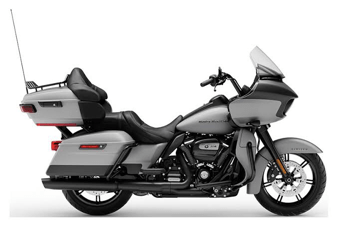
At first glance, both motorcycles share the unmistakable Harley-Davidson signature—a blend of classic American styling and muscular presence—yet their silhouettes reveal divergent intentions. The 1999 Road Glide introduces a frame-mounted shark-nose fairing that lends it a modern, aggressive stance, while the Electra Glide retains the traditional fork-mounted batwing fairing, which echoes the lineage of touring motorcycles dating back decades. This fundamental difference in fairing design profoundly influences rider experience, including aerodynamics, stability, and fatigue levels over long rides.
Performance-wise, the 1999 models from Harley retain the venerable Twin Cam 88 engine, a 1450cc powerhouse renowned for its torque and reliability. Despite sharing this mechanical heart, the nuances in chassis and weight distribution generate distinct riding dynamics. The Road Glide, with its frame-mounted fairing, offers enhanced high-speed stability and reduced handlebar torque, providing a steadier ride on highways prone to gusty winds. On the other hand, the Electra Glide, owing to its fork-mounted fairing, offers more traditional steering feedback, which some riders appreciate for its nostalgic and tactile qualities, though at the cost of increased wind buffeting under certain conditions.

Comfort remains a paramount consideration in any touring motorcycle, and both these models cater meticulously to it. The Electra Glide’s extensive heritage is reflected in plush seating, upright ergonomics, and a spacious cockpit designed for long-haul endeavors. Passengers benefit from substantial touring amenities such as the well-padded two-up seat and comfortable backrest options. Meanwhile, the Road Glide, though comparably comfortable, is slightly more performance-oriented. It appeals to riders seeking a balance between touring luxury and agile handling without compromising on rider endurance during extended mileage.
Technical features also differentiate these two contenders. The Electra Glide’s batwing fairing traditionally houses an integrated audio system and instrumentation cluster, providing riders with convenient control over entertainment and navigation in a user-friendly layout. By contrast, the Road Glide introduces a more streamlined, aerodynamic fairing design that houses its own set of technological gadgets, sometimes touted for its reduced wind noise and improved weather protection. This brings an element of sophistication for the touring aficionado who prioritizes cutting-edge comfort wrapped in a finessed design.
In terms of storage capacity, both motorcycles are equipped with hard saddlebags and optional luggage compartments that appeal to long-distance riders carrying essential gear. The Electra Glide’s larger, more traditional touring bags often garner praise for their ease of access and volume, while the Road Glide’s streamlined luggage solutions emphasize minimal drag and overall weight reduction. This trade-off poses an interesting dilemma for riders who weigh cargo space against ride dynamics.
Handling characteristics are a pivotal aspect of touring comfort and safety, particularly when confronting winding mountain roads or navigating urban traffic. The Electra Glide’s heavier front end—owing to the bulkier fork-mounted fairing—may feel ponderous during low-speed maneuvers but tends to inspire confidence on stable, straight highways. Conversely, the Road Glide’s lighter front and frame-mounted fairing impart more nimble handling, making it appealing for riders who seek a more spirited touring experience without sacrificing the smoothness desired during extended cruises.
Visually, the 1999 Road Glide mesmerizes with its bold, modernist contours and shark-nose appeal, which breaks away from Harley’s traditional lines seen on the Electra Glide. Enthusiasts often debate aesthetics, considering whether the futuristic edge of the Road Glide complements their personal style or if the Electra Glide’s timeless design better sustains the classic Harley-Davidson aura. Beyond mere appearances, this divergence reflects broader themes of tradition versus innovation within the Harley touring community.
Customization potential is another critical facet for riders who seek to personalize their machines. Both models provide robust aftermarket support, with extensive options for upgrading seats, exhausts, handlebars, and electronic systems. However, the difference in fairing designs slightly influences customization routes; for instance, installing navigation and audio components requires specific parts tailored to each fairing style. Additionally, paint schemes and trim options vary slightly, granting riders distinctive canvases to express individuality.
Maintenance and reliability aspects often tip the scales in long-term ownership decisions. The shared powertrain simplifies mechanical concerns, but the Electra Glide, due to its longer production history and familiarity among mechanics, sometimes benefits from a wider availability of parts and knowledge base. The Road Glide, while mechanically similar, occasionally demands more precise attention to its unique fairing brackets and mounting points. Nonetheless, both motorcycles maintain a reputation for durability if serviced with diligence.
In conclusion, the 1999 Harley-Davidson Road Glide and Electra Glide represent divergent solutions to the quintessential touring motorcycle challenge. The Road Glide embraces modern engineering and aerodynamics, appealing to riders who aspire to a blend of comfort and dynamic road presence. Meanwhile, the Electra Glide epitomizes heritage and tradition, inviting the purist who cherishes classic Harley-Davidson traits and time-tested comfort features.
Choosing between these two models ultimately revolves around personal preference, riding style, and priorities. Whether the preference leans toward the streamlined sophistication of the Road Glide or the venerable familiarity of the Electra Glide, both motorcycles unfailingly deliver an immersive touring experience imbued with Harley-Davidson’s unmistakable spirit. This head-to-head comparison illuminates not only the technical distinctions but also the cultural and emotional resonances that have made these touring titans perennial favorites on open roads worldwide.