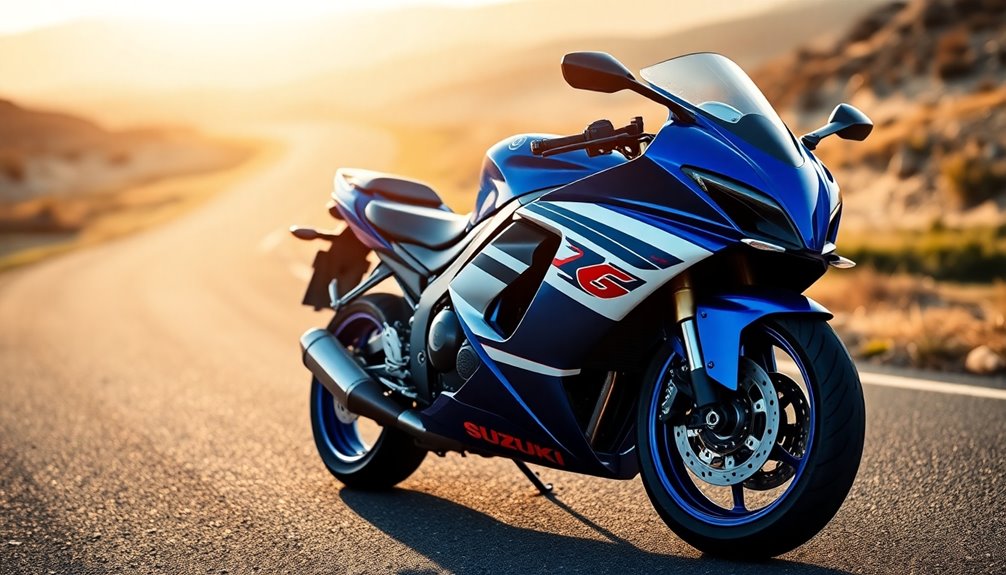
The 2000 Dyna Wide Glide, often revered as a factory custom classic, holds an extraordinary place in the pantheon of American motorcycles. Its unmistakable silhouette, aggressive stance, and refined engineering converge to create a machine that resonates deeply—both as a piece of art and as a symbol of motorcycle culture. Upon first glance, the Wide Glide’s elongated front forks, gleaming chrome accents, and meticulously detailed frame invite admiration, yet beneath this visual appeal lies a complexity that transcends mere appearance, offering insight into why riders and enthusiasts alike remain captivated by this model decades after its release.
The aesthetic allure of the 2000 Dyna Wide Glide is, undeniably, a primary factor in its continued fascination. The sharp, rake-forward front end and wide front wheel are signature elements that evoke a raw, primal energy. This design choice is no accident but a deliberate nod toward chopper-style motorcycling, which gained prominence for its rebellion against conventional engineering and aesthetics. The craftsmanship radiates a sense of purpose, blending custom allure with factory precision. The wide glide fork not only alters the motorcycle’s visual demeanor—it fundamentally influences the ride experience, melding form and function in a balance few motorcycles achieve.
Peeling back the layers, the 2000 Dyna Wide Glide’s mechanical sophistication serves as another compelling component of its legacy. Powered by Harley-Davidson’s well-regarded Evolution V-twin engine, the Wide Glide delivers a blend of power and reliability that satisfies both casual riders and seasoned motorcyclists. The engine’s robust torque curve provides responsive acceleration, ideal for both cruising along open highways and navigating city streets. The Evolution engine’s air-cooled, pushrod V-twin configuration also pays homage to classic Harley design while incorporating advances in performance and durability, representing an intersection where tradition meets innovation.
Moreover, the Dyna chassis bears particular significance in setting the Wide Glide apart. The frame architecture balances rigidity with flexibility, enhancing handling characteristics without sacrificing comfort. Unlike its softer, more cushioned Softail siblings, the Dyna series features exposed rear shocks which offer a sportier, more engaged ride. This design choice underlines the developers’ intention to deliver an experience that is both visceral and controlled—a raw connection between rider and machine that encapsulates the essence of motorcycling.
Another facet warranting discussion is the cultural symbolism embedded within the 2000 Wide Glide. The motorcycle encapsulates an era where customization was not merely an act of personalization but a declaration of identity and freedom. Wide Glides were, and remain, canvases for expression, whether through paint schemes, chrome embellishments, or further custom modifications. This paradigm has roots in the biker subculture’s emphasis on individuality, rebellion, and the open road’s romanticism. The factory’s ability to capture this ethos within a production model illustrates a nuanced understanding of its audience’s desires. It suggests that fascination with the Wide Glide extends beyond aesthetics or mechanics; it taps into a deeper narrative of self-expression.
Riding a 2000 Dyna Wide Glide is thus more than transportation—it’s an immersive dialogue between rider and environment. The elongated fork geometry, while visually dramatic, also affects steering dynamics and rider feedback. This can evoke an intuitive sense of momentum and rhythm on the road, aligning the rider’s senses with the motorcycle’s mechanical heartbeat. The seating position—midway between cruiser comfort and sporty engagement—further enhances this symbiosis. For many, this communion engenders a profound appreciation that exceeds the superficial. It appeals to the primal human craving for connection, adventure, and mastery over the forces of nature.
Delving into the design philosophy, Harley-Davidson’s strategic creation of the Wide Glide reflects a keen awareness of evolving market appetites. At the turn of the millennium, motorcycle enthusiasts sought machines that offered unique styling yet reliable performance without requiring extensive aftermarket modification. The factory custom philosophy behind the 2000 Dyna Wide Glide aimed to satisfy this demand by providing a motorcycle that embodied individualism out of the showroom. Its bold design and seasoned engineering create a near-perfect synthesis, appealing simultaneously to purists who value heritage and newcomers eager for authenticity.
The cultural impact of this model is further amplified by its visibility in popular media and motorcycle gatherings, where it serves as a totem of classic American motorcycling ideals. The Dyna Wide Glide’s enduring popularity illustrates a shared recognition of its place in history and its role as a catalyst in broader discussions about craftsmanship, engineering, and identity. It functions as both a historical artifact and a living, breathing machine, constantly reaffirming the relevance of motorcycle culture amid a rapidly evolving automotive landscape.
In conclusion, the 2000 Dyna Wide Glide’s allure can be attributed to much more than just an epic silhouette or a powerful engine. It is a motorcycle that encapsulates complex intersections—between aesthetics and mechanics, tradition and innovation, individuality and community. This model exemplifies why certain motorcycles become more than machines but cultural icons that fuel imaginations and forge connections across generations. The Wide Glide’s distinctive profile invites conversation, but it is the nuanced blend of design, engineering, and symbolic resonance that sustains intrigue. Ultimately, the 2000 Dyna Wide Glide remains an emblem of freedom—tangible yet transcendent—inviting riders to embark not only on journeys of the road but on explorations of self and spirit.