There exists a place where steel whispers tales of rebellion, where chrome gleams with the echoes of a thousand revs, and where the air hums with the unspoken promise of two wheels forged in the crucible of passion. This is not a mere garage, nor a sterile showroom—it is the OCC Museum, a hallowed sanctuary where the artistry of Paul Sr. and the ingenuity of the Cast family transcend mere machinery to become legends etched in iron and memory. Step inside, and you’re not just a visitor; you’re a pilgrim crossing the threshold into a world where dreams are bolted together, where every weld tells a story, and where the spirit of American craftsmanship roars louder than any engine.
The Genesis of a Legacy: Paul Sr.’s Visionary Hand
Before OCC became a household name synonymous with raw, unfiltered creativity, it was the brainchild of one man—Paul Teutul Sr. A man whose hands were as rough as the steel he shaped, whose eyes burned with a vision few could comprehend. In the early days, when the scent of motor oil mingled with the hum of arc welders, Paul Sr. wasn’t just building motorcycles; he was forging a new language of rebellion. His creations weren’t just machines; they were manifestos on two wheels, each curve a defiance of convention, each line a challenge to the status quo.
What set Paul Sr. apart wasn’t merely technical skill—it was an almost mystical connection to the machines he built. He didn’t just understand engines; he conversed with them. The way he coaxed power from a block of aluminum, the way he bent exhaust pipes like a sculptor molding clay—these were acts of alchemy. His bikes weren’t products; they were progeny, born from a fusion of obsession and unbridled imagination. To stand before one of his early masterpieces in the OCC Museum is to witness the birth of a cultural phenomenon, where function met fantasy and the road became a runway for dreams.
The Cast Family: Where Brotherhood Meets Craftsmanship
But a legend is never the work of one hand alone. Enter the Cast family—Paul Sr.’s sons, whose own talents would elevate OCC from a local legend to a global icon. Paul Jr., Michael, and Danny Teutul didn’t just inherit a business; they inherited a legacy of audacity. Their synergy was electric, a brotherhood forged in the fires of the shop, where egos were melted down as often as steel. Each brought a distinct flavor to the OCC palette: Paul Jr.’s flamboyant showmanship, Michael’s meticulous precision, Danny’s relentless innovation. Together, they turned the OCC Museum into a living archive of their collective genius.
What’s often overlooked is how their dynamic mirrored the very bikes they built—bold, unpredictable, and impossible to ignore. They argued, they laughed, they pushed each other to the brink, all while creating machines that defied gravity and convention. The museum doesn’t just display their work; it narrates their saga, a testament to how collaboration can amplify individual brilliance into something transcendent. Here, the Casts’ story isn’t just about motorcycles; it’s about the power of shared vision and the alchemy of family.
The Hall of Icons: Bikes That Redefined the Road
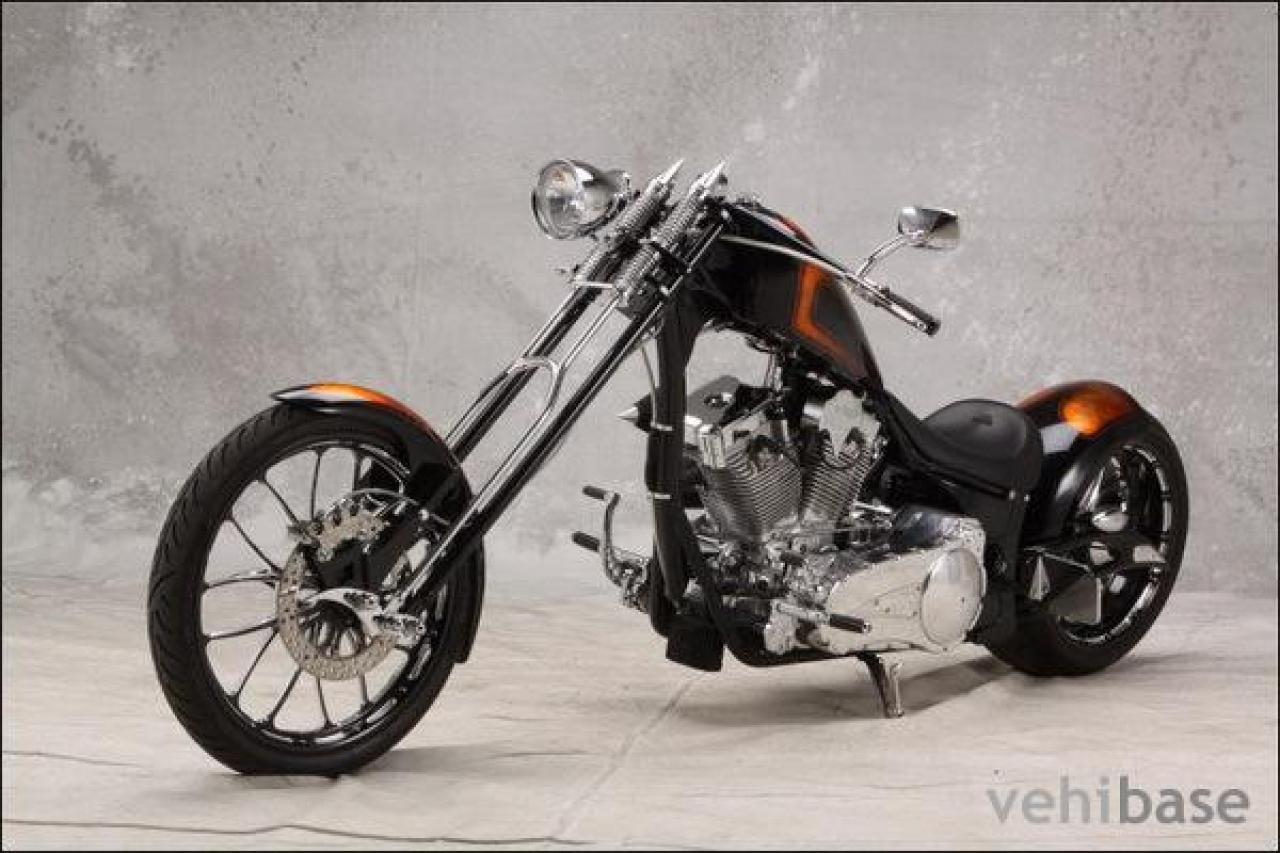
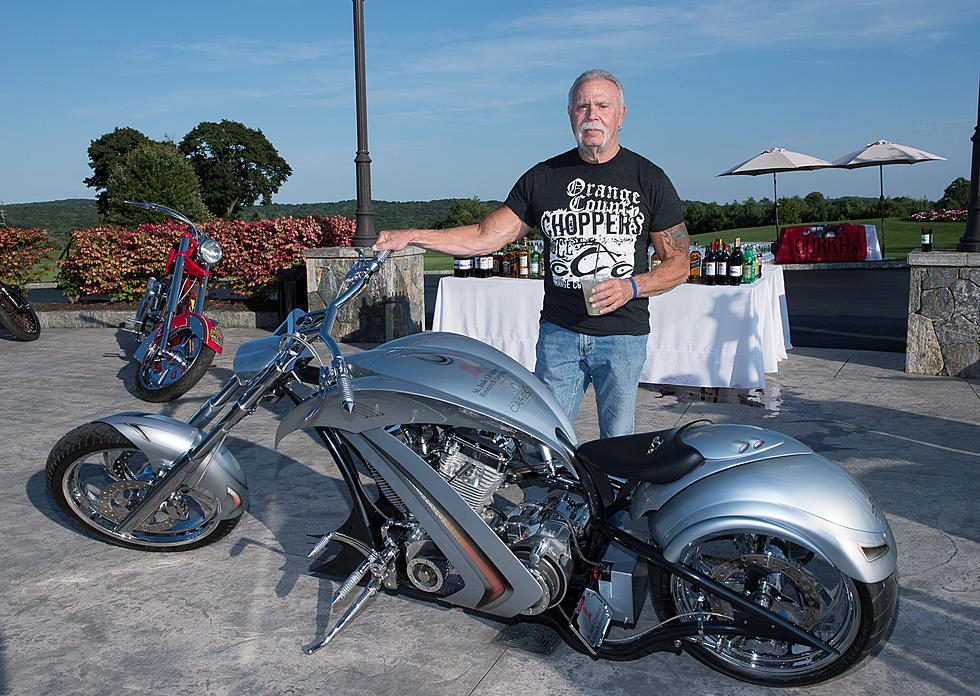
Walk through the OCC Museum, and you’re not just observing history—you’re walking through a gallery of mechanical poetry. The Fire Bike, with its skeletal frame and roaring inferno of an engine, isn’t just a motorcycle; it’s a statement. The Bat Bike, a two-wheeled homage to Gotham’s dark knight, isn’t just a ride—it’s a cultural touchstone. And then there’s the American Chopper series, where every bolt and weld tells a story of perseverance, of turning scrap into splendor, of proving that limitation is just another word for opportunity.
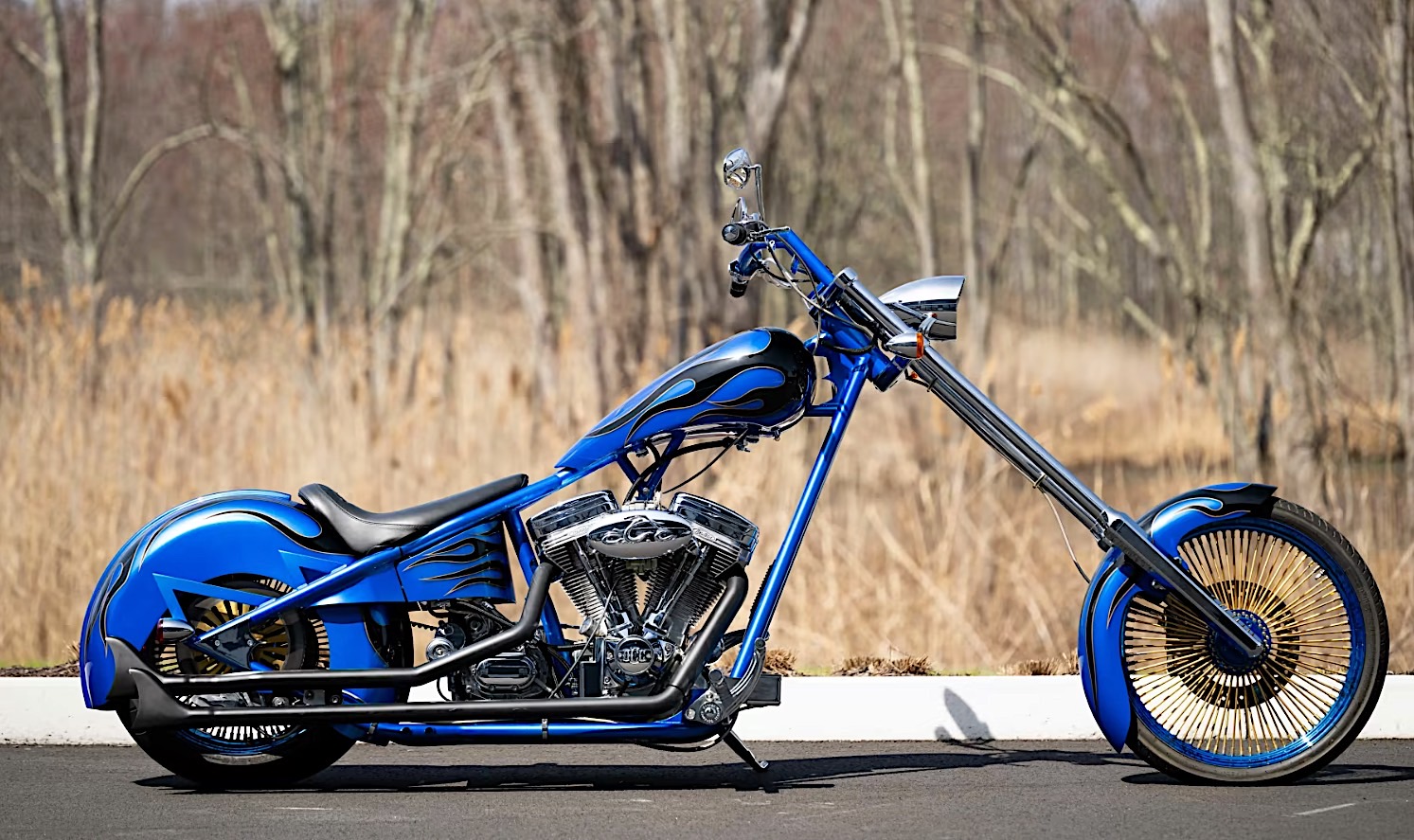
These aren’t static displays; they’re time capsules of innovation. The 2016 Unridden Masterpiece, a bike so meticulously crafted it was never meant to touch the asphalt, stands as a paradox—a machine built for admiration, not utility. It’s a reminder that some creations exist beyond function, as art exists beyond purpose. To see it is to question: What is a motorcycle? Is it merely a vehicle, or can it be a muse, a symbol, a piece of history you can straddle?
The Unseen Craft: The Artistry Behind the Steel
Behind every gleaming chrome and every hand-stitched leather seat lies a symphony of unseen craft. The OCC Museum doesn’t just showcase the final product; it peels back the curtain on the process—the late nights, the failed prototypes, the moments of sheer frustration that preceded triumph. The custom paint jobs, each brushstroke a deliberate choice, tell stories of their own. The hand-forged exhausts, shaped by hammer and heat, carry the fingerprints of the artisans who breathed life into them.
This is where the magic happens—not in the flash of the spotlight, but in the quiet hum of the workshop. The museum’s interactive displays invite you to trace the path of a spark as it dances from welder to metal, to feel the weight of a frame before it’s transformed into art. It’s a masterclass in patience, in seeing potential where others see waste, in turning chaos into order. Here, craftsmanship isn’t just a skill; it’s a religion, and the OCC Museum is its cathedral.
A Shift in Perspective: From Machines to Movements
What the OCC Museum truly promises is a shift in perspective—not just about motorcycles, but about what it means to create, to innovate, to dare. These bikes aren’t just objects; they’re catalysts. They challenge the notion that art must be static, that engineering must be utilitarian, that rebellion must be silent. They prove that passion can be welded into steel, that family can be forged in fire, and that a single idea can roar louder than a thousand engines.
As you leave the museum, the hum of the bikes lingers in your ears, the scent of oil and metal clings to your clothes, and the stories you’ve witnessed settle into your bones. You don’t just see motorcycles anymore. You see the hands that shaped them, the dreams that drove them, the legacy that lives on in every rev of an OCC engine. This isn’t just a museum. It’s a revelation.