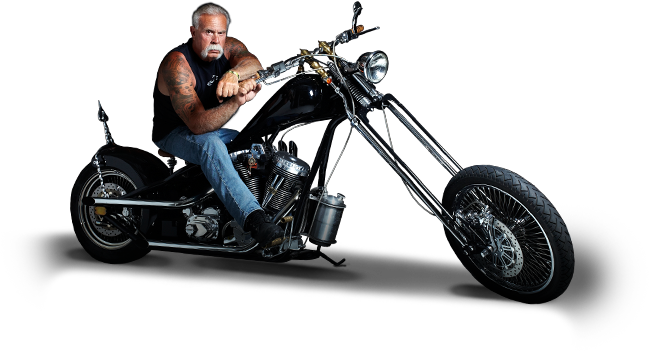
The legend of “American Chopper” has long been intertwined with the fiery spirit of Paul Teutul Sr., a man whose name became synonymous with raw talent, unbridled passion, and the roar of custom motorcycles. For decades, he stood at the helm of Orange County Choppers, crafting dreams out of steel and gasoline, while his larger-than-life persona captivated audiences. Yet, whispers have circulated for years: Is Paul Sr. truly retired, or does the hum of a chopper still echo in his soul? The answer, as with all great stories, is layered with ambition, legacy, and the relentless pursuit of craftsmanship.
The Myth of Retirement: A Man Who Defies the Clock
Retirement is often painted as a serene sunset, a quiet fade into the background. But Paul Sr. has never been one to follow the script. Even as the cameras of “American Chopper” dimmed, his presence lingered like the scent of burnt rubber in a garage. The idea of him stepping away entirely feels almost sacrilegious to fans who grew up watching him transform metal into art. Yet, the passage of time is undeniable. Financial headlines have surfaced, hinting at challenges that could force even the most indomitable spirits to reassess their path. But does this mean the end? Hardly. The man who once built an empire from a single idea thrives on defiance. Retirement, for Paul Sr., may simply mean a shift in gears rather than a full stop.

The Garage’s Siren Call: Why the Chopper Life Never Fades
There’s a primal allure to the workshop—a place where sparks fly, metal bends, and ideas take physical form. For Paul Sr., the garage isn’t just a workspace; it’s a sanctuary where creativity and chaos coexist. The moment he steps through the door, the world outside ceases to exist. This magnetic pull explains why retirement, in the traditional sense, feels foreign to him. The craft of chopper-building is more than a profession; it’s a calling. It demands blood, sweat, and an almost obsessive dedication. To walk away entirely would be to silence a part of himself that has defined his identity for generations. The question isn’t whether he’s retired, but whether the garage will ever truly let him go.
The Family Legacy: A Double-Edged Sword
Paul Sr.’s relationship with his son, Paul Jr., has been a rollercoaster of triumphs and tribulations, a dynamic that fueled the drama of “American Chopper.” Their clashes were legendary, but so were their reconciliations. The family’s legacy is a tapestry woven with both admiration and contention. While Paul Jr. has carved his own path, the shadow of Orange County Choppers looms large. For Paul Sr., stepping back entirely would mean confronting the weight of this legacy—both its glory and its fractures. The garage isn’t just a business; it’s a family crucible, where every decision echoes through generations. Retirement, in this context, isn’t just about leaving a job; it’s about navigating the emotional terrain of a dynasty.
The Financial Undercurrent: More Than Just Numbers
Whispers of bankruptcy and financial strain have swirled around Paul Sr. for years, painting a picture that contrasts sharply with the image of the larger-than-life chopper king. Money, however, is a language of its own, and its implications run deeper than balance sheets. Financial struggles can force even the most resilient individuals to confront their vulnerabilities. Yet, they can also spark reinvention. The question isn’t whether Paul Sr. is struggling, but how he chooses to respond. Will he retreat, or will he rise again, phoenix-like, from the ashes of adversity? History suggests the latter. The man who built an empire from a single garage stall knows how to turn setbacks into comebacks.
The Public’s Obsession: Why We Can’t Look Away
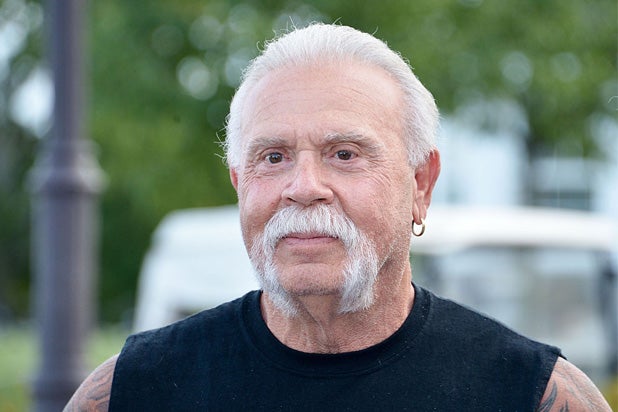
There’s a reason “American Chopper” became a cultural phenomenon. It wasn’t just about motorcycles; it was about the raw, unfiltered humanity of its characters. Paul Sr.’s larger-than-life personality, his temper, his vulnerability—all of it made him relatable in a way few celebrities ever are. Fans didn’t just watch the show; they lived vicariously through its drama. This obsession speaks to a deeper truth: we are drawn to those who live without filters. Paul Sr.’s life, with all its highs and lows, mirrors our own struggles with ambition, family, and identity. His potential retirement isn’t just a personal milestone; it’s a moment that forces us to confront our own fears of irrelevance and change.
The Future: What Lies Beyond the Garage Door?
If Paul Sr. is indeed retired—or even semi-retired—the question remains: what’s next? The man who defined an era of custom motorcycles could pivot in countless directions. Perhaps he’ll mentor the next generation of builders, passing on his knowledge to eager hands. Maybe he’ll dive into a new creative venture, one that channels his passion in unexpected ways. Or perhaps he’ll simply enjoy the quiet, savoring the moments he once chased in the chaos of the workshop. Whatever the future holds, one thing is certain: Paul Sr. will never be far from the roar of an engine or the scent of fresh paint. The legend of “American Chopper” may evolve, but its heart will always beat in sync with the man who started it all.
The story of Paul Teutul Sr. is far from over. It’s a tale of resilience, reinvention, and the unbreakable bond between a man and his craft. Whether he’s in the garage or not, his spirit will forever be the driving force behind the choppers—and the dreams—they represent.