The Jet Bike OCC Build isn’t just a motorcycle—it’s a rebellion on two wheels, a roaring manifesto of engineering audacity that dares to ask: What if a bike could defy gravity without ever leaving the ground? This isn’t a machine built for highways or racetracks. It’s a sculptural provocation, a gleaming, turbine-powered enigma that blurs the line between mechanical poetry and vehicular lunacy. To gaze upon the OCC Jet Bike is to witness the collision of raw power and unbridled creativity, a machine that doesn’t just ride the wind—it commands it, even if only for fleeting moments of thunderous, exhilarating madness.
The Birth of a Mechanical Chimera: Where Art Meets Anarchy
Every great creation begins with a spark of defiance, and the OCC Jet Bike is no exception. Born from the fevered imagination of a builder who refused to be shackled by convention, this machine is a chimera—part motorcycle, part jet engine, all spectacle. It doesn’t whisper; it screams. Not with the polite hum of a Harley or the mechanical purr of a Ducati, but with the visceral, teeth-rattling roar of a turbine at full throttle. This is engineering as performance art, a rolling testament to the idea that rules are meant to be bent, if not shattered entirely.
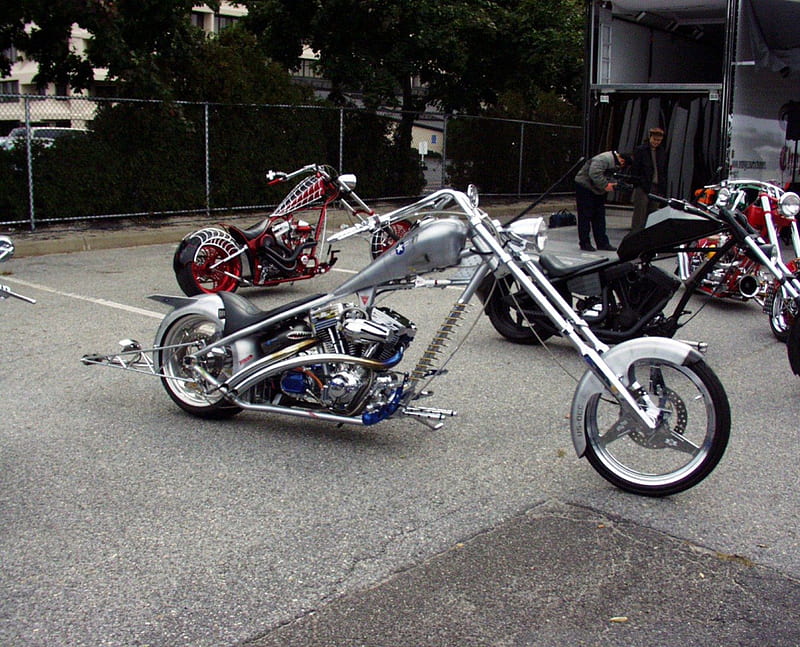
The Jet Bike doesn’t just occupy space—it redefines it. Where most motorcycles are sleek, aerodynamic, and purpose-built, this one is a deliberate affront to aerodynamics. Its angular, almost skeletal frame is a study in controlled chaos, every line sharp enough to cut the air—or a casual onlooker’s assumptions about what a bike should be. It’s not a machine for the timid. It’s for those who look at a set of blueprints and see not limitations, but a playground.
The Heart of the Beast: Turbines, Thrust, and the Illusion of Flight
At the core of the OCC Jet Bike lies a turbine engine, a heart that beats not with the steady rhythm of pistons, but with the relentless, high-pitched wail of jet propulsion. This is where the madness begins—and where the engineering brilliance shines. Unlike traditional internal combustion engines, which rely on the controlled explosion of fuel, the turbine converts air into thrust with a mechanical efficiency that borders on the supernatural. When ignited, it doesn’t just power the bike forward; it launches it, if only for a few breathtaking seconds.
The sensation of riding a jet-powered motorcycle is less like driving and more like being strapped to the business end of a rocket. There’s no gradual acceleration, no polite build-up of speed. The moment the turbine roars to life, the world becomes a blur. The rider is no longer in control of the machine; the machine is in control of the rider, hurtling them forward with a force that feels less like motion and more like teleportation. It’s not transportation. It’s transcendence—albeit brief, and often illegal.
Yet, for all its raw power, the turbine is a temperamental beast. It demands precision, respect, and a willingness to flirt with disaster. One misstep in fuel mixture, one hesitation in throttle control, and the illusion of control evaporates, leaving only the terrifying reality of a machine that cares little for the fragility of human life. This is not a bike for Sunday drives. It’s a dare, a challenge issued to gravity itself.
Design as Defiance: The Aesthetic of Controlled Chaos
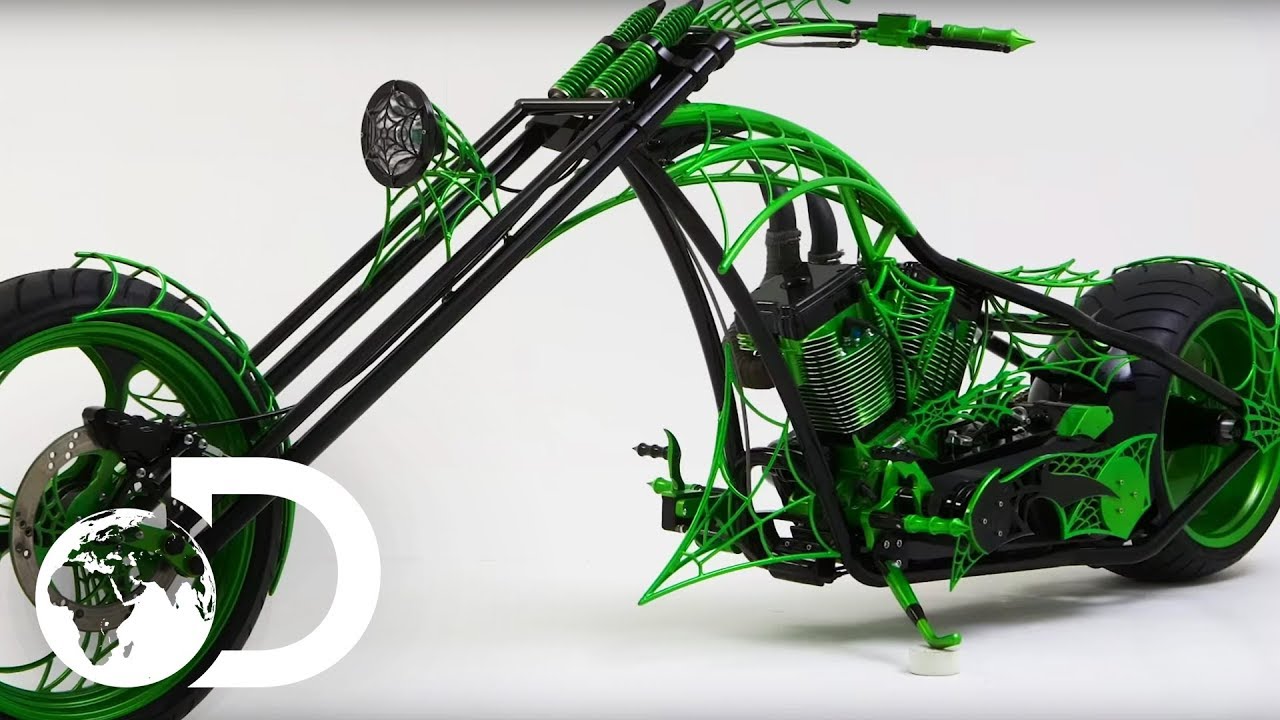
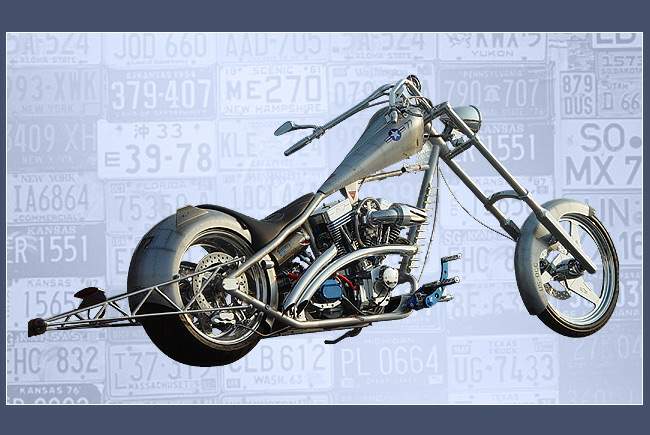
The OCC Jet Bike’s design is a visual paradox—a machine that looks like it was assembled in a hurricane, yet every bolt, every weld, every gleaming metal plate serves a purpose. There is no ornamentation here, no chrome flourishes or polished wood grips. This is industrial design stripped to its essence: function as form. The frame is a lattice of steel and aluminum, a skeletal structure that seems to defy the laws of physics, as if the bike could levitate if only the turbine’s thrust were strong enough.
The seating position is aggressive, almost aggressive enough to suggest that the rider is not just a passenger but a co-pilot in a high-stakes experiment. The handlebars are wide, the footpegs set far back, forcing the rider into a crouch that mimics the stance of a fighter pilot. This isn’t a bike you ride. It’s a machine you pilot, a distinction that underscores the Jet Bike’s unique appeal. It’s not about cruising. It’s about conquest.
Even the color scheme—often a stark contrast of black and metallic silver—reinforces the bike’s dual nature. It’s sleek enough to be desirable, but jagged enough to be intimidating. It’s the kind of machine that turns heads not because it’s beautiful, but because it’s unforgettable. In a world of mass-produced motorcycles, the OCC Jet Bike stands as a solitary monument to individuality, a rolling middle finger to the idea that bikes must conform to tradition.
The Jet Bike doesn’t just occupy space—it demands attention. It’s the kind of machine that makes passersby stop mid-step, jaws agape, as they try to reconcile the sight before them with the concept of a motorcycle. Is it art? Is it madness? The answer, of course, is yes to both.
The Thrill of the Unattainable: Why We’re Drawn to the Impossible
There’s something deeply human about the allure of the unattainable, the irresistible pull of the machine that shouldn’t exist. The OCC Jet Bike taps into that primal fascination, offering a glimpse into a world where the laws of physics are negotiable, where speed isn’t just a means of travel but a form of rebellion. It’s the two-wheeled equivalent of standing at the edge of a cliff and wondering what it would feel like to fly—except in this case, the cliff is a stretch of empty pavement, and the wings are a turbine engine.
For the rider, the Jet Bike represents the ultimate test of skill and nerve. There’s no cruise control here, no gentle acceleration to ease into the experience. The moment the turbine sputters to life, the rider is thrust into a world of sensory overload—sound, vibration, the sheer presence of the machine. It’s not a ride. It’s an initiation. A baptism by fire, where the only way out is forward, and the only way forward is through sheer, unrelenting speed.
And for the onlooker? The Jet Bike is a spectacle, a fleeting moment of awe in a world that often feels mundane. It’s the kind of machine that makes people question their own limits, that whispers: What if? What if you could build something that defied expectations? What if you could ride a machine that felt like it was born from the pages of a science fiction novel? The Jet Bike doesn’t just challenge the status quo—it obliterates it, leaving behind only the embers of what was once considered possible.
The Fine Line Between Genius and Folly: The Ethics of Extreme Engineering
Yet, for all its undeniable appeal, the OCC Jet Bike forces us to confront an uncomfortable question: At what point does innovation become recklessness? The line between engineering genius and mechanical folly is a thin one, and the Jet Bike walks it with the confidence of a tightrope walker who refuses to look down. There’s no denying the brilliance of its design, the audacity of its construction. But brilliance and audacity are not the same as safety or practicality.
The turbine engine, while awe-inspiring, is not without its dangers. Fuel leaks, mechanical failure, the sheer unpredictability of jet propulsion—all of these are very real risks. And while the Jet Bike may be a masterpiece of custom fabrication, it’s also a machine that exists in a legal gray area, if not outright illegality, in many jurisdictions. The thrill of riding it is inseparable from the thrill of breaking rules, both written and unwritten.
This raises a philosophical quandary: Is the Jet Bike a triumph of human ingenuity, or is it a cautionary tale about the limits of ambition? The answer, perhaps, lies in the eye of the beholder. For some, it’s a celebration of what happens when creativity is unleashed without constraints. For others, it’s a reckless indulgence, a machine that prioritizes spectacle over substance. But one thing is certain: the Jet Bike doesn’t just push boundaries—it erases them, leaving behind only the question of what comes next.
The Legacy of the Jet Bike: A Machine That Refuses to Be Forgotten
The OCC Jet Bike isn’t just a motorcycle. It’s a legend in the making, a machine that has already transcended its physical form to become a symbol of what happens when passion meets audacity. It’s the kind of creation that doesn’t just inspire copycats—it inspires dreams. Every builder who looks at the Jet Bike and thinks, I could do that is a testament to its enduring appeal. Every rider who sees it and feels a surge of adrenaline is proof that it’s more than just metal and fuel—it’s a spark.
In a world where most motorcycles are designed to blend in, the Jet Bike stands out like a beacon. It doesn’t just challenge the status quo; it redefines it. It doesn’t just ask questions—it demands answers. And perhaps most importantly, it reminds us that the most extraordinary machines aren’t built to serve a purpose. They’re built to provoke.
So, is the Jet Bike OCC Build a triumph of engineering or a descent into madness? The truth, as with all great creations, lies somewhere in between. It’s a machine that dares to ask what happens when you refuse to accept the limits of what’s possible. And in doing so, it becomes something far greater than the sum of its parts—a rolling, roaring, unforgettable testament to the power of human creativity.