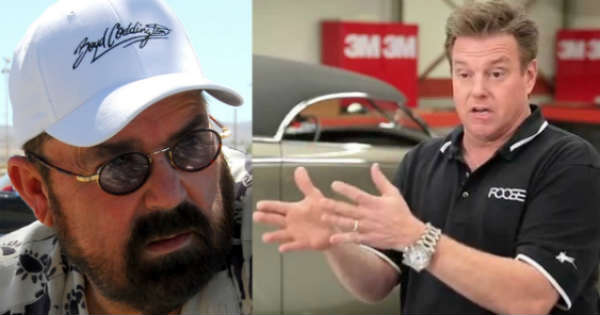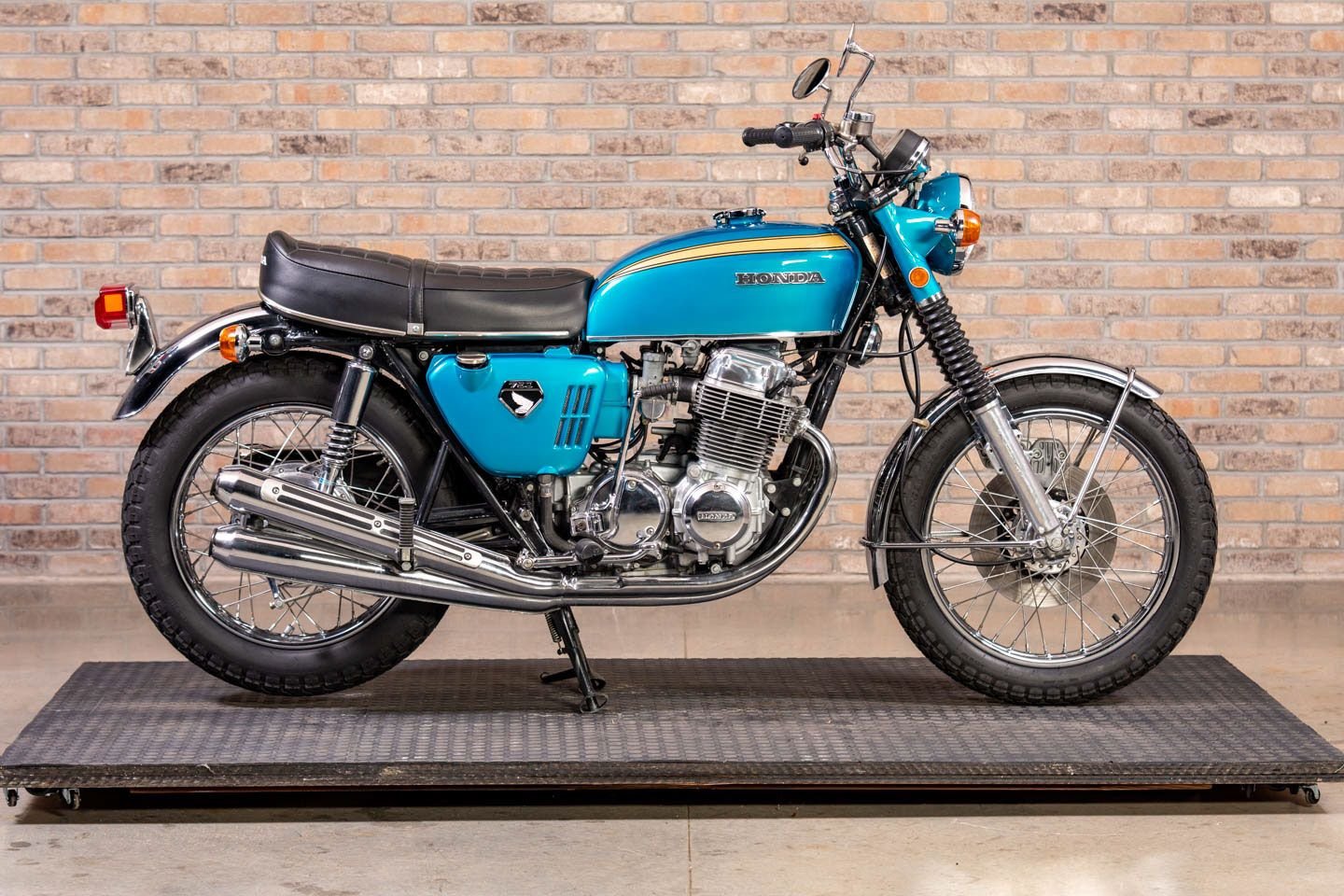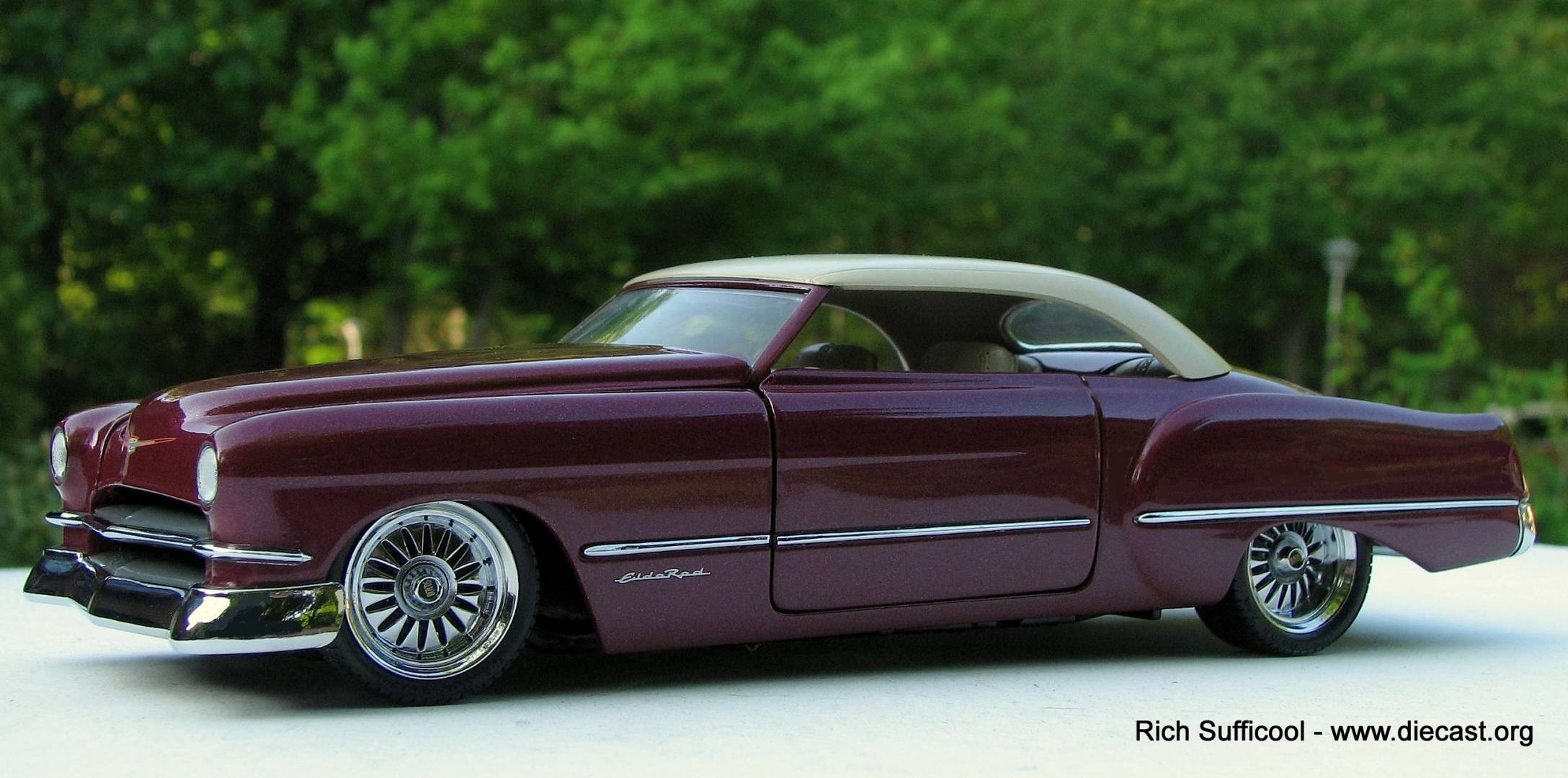
The clash between American Chopper and American Hot Rod isn’t just a rivalry—it’s a collision of philosophies, where steel meets soul, and craftsmanship becomes a form of rebellion. One show thrived on spectacle, the other on authenticity; one celebrated the spectacle of customization, the other the raw, unfiltered artistry of metalwork. At the heart of this divide stands Boyd Coddington, the titan of hot rodding, whose legacy looms larger than the chrome-plated behemoths he crafted. To understand why these two worlds fascinate us so deeply, we must peel back the layers of their allure, revealing not just the machines they birthed, but the cultural currents that shaped them.
The Allure of the Spectacle: American Chopper’s Cinematic Rebellion
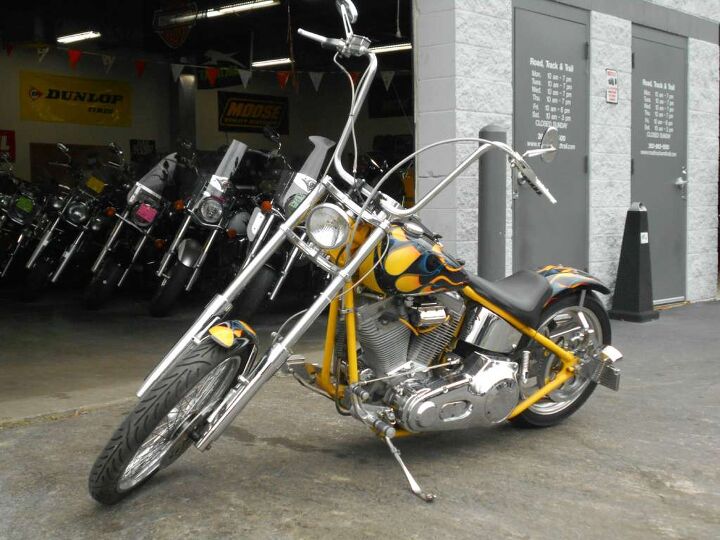
American Chopper wasn’t just a show—it was a cultural phenomenon, a neon-lit carnival of brotherly bickering and mechanical mayhem. The Teutul family’s antics, the flamboyant designs, the relentless pace—it was all designed to captivate, to shock, to entertain. The show thrived on the drama of creation, where every weld, every paint job, was a cliffhanger waiting to unfold. It was less about the craft and more about the performance of craftsmanship, a spectacle that turned mechanics into rock stars.
Yet beneath the surface, American Chopper tapped into something primal: the human desire to be seen. In a world where individuality is often commodified, the show’s excesses were a rebellion against subtlety. The bikes weren’t just machines; they were statements, screaming their existence into the void. And the audience? They ate it up, because in those garages, they saw their own frustrations and dreams writ large—raw, unfiltered, and unapologetic.
The Quiet Revolution: Boyd Coddington’s Hot Rod Philosophy
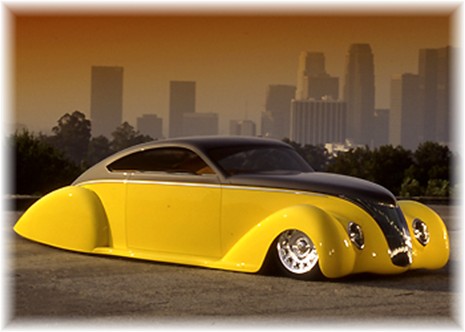
If American Chopper was a fireworks display, Boyd Coddington’s hot rods were a masterclass in restraint. His work wasn’t about shouting; it was about whispering secrets to the metal. Coddington didn’t just build cars—he sculpted them, coaxing out the soul of the machine with a craftsman’s precision. His hot rods were less about flash and more about elegance, where every curve and line served a purpose, where the engine’s growl was a symphony, not a scream.
Coddington’s philosophy was rooted in a different era, one where hot rodding wasn’t a TV show but a way of life. He was a purist in a world of plastic, a man who believed in the purity of the machine. His creations weren’t just vehicles; they were time capsules, preserving the spirit of an America that had long since vanished. And perhaps that’s why they fascinate us—because in a world of disposable everything, Coddington’s work reminds us that true artistry endures.
The Clash of Titans: Why the Rivalry Resonates
The tension between American Chopper and American Hot Rod isn’t just about style—it’s about identity. One represents the democratization of customization, where anyone can slap on a paint job and call it art. The other represents the aristocracy of craftsmanship, where mastery is earned, not faked. It’s the difference between a tattoo parlor and a Michelangelo fresco—both are expressions of creativity, but one is fleeting, the other eternal.
Yet the fascination runs deeper. Both worlds tap into the same primal urge: the desire to leave a mark. Whether it’s the Teutuls’ garish bikes or Coddington’s sleek masterpieces, these creations are extensions of their builders’ souls. And in a society that often feels disposable, that kind of permanence is intoxicating. It’s why we’re drawn to these stories—because they remind us that, even in a world of mass production, there’s still room for the handmade, the unique, the real.
The Cultural Zeitgeist: Why We Can’t Look Away
At its core, the rivalry between American Chopper and American Hot Rod is a reflection of our own cultural schizophrenia. We crave authenticity but are addicted to spectacle. We long for craftsmanship but can’t resist the allure of the quick fix. It’s a paradox that plays out in every corner of modern life, from the rise of artisanal everything to the dominance of social media’s curated illusions.
And perhaps that’s why these two worlds fascinate us so deeply. They force us to confront our own contradictions. Do we want the flashy, the loud, the immediate—or do we yearn for the quiet, the enduring, the real? The answer, of course, is both. Because in the end, the allure of American Chopper and the legacy of Boyd Coddington aren’t just about bikes and cars. They’re about us—our desires, our fears, our endless search for meaning in a world that’s increasingly losing its soul.
The Legacy That Endures: Beyond the Garage
The influence of American Chopper and Boyd Coddington extends far beyond the garages where they were born. One taught us that creativity can be a performance, the other that true artistry is a silent revolution. Together, they’ve shaped the way we see customization, craftsmanship, and the very idea of what it means to build something extraordinary.
And perhaps that’s the real magic. In a world where everything is temporary, these machines—flamboyant or refined—stand as testaments to the power of human ingenuity. They remind us that, no matter how fleeting the trends, the desire to create, to innovate, to leave something behind, will always endure. Whether it’s a neon-lit chopper or a hand-built hot rod, the story is the same: we are, and always will be, a species that dreams in steel.