The custom chopper industry, once a roaring engine of creativity and rebellion, has seen countless companies sputter into bankruptcy. What was once a thriving subculture—where raw craftsmanship met unbridled passion—has become a graveyard of shattered dreams and unpaid bills. The reasons behind these failures are as intricate as the bikes themselves, woven from economic pressures, shifting consumer tastes, and the harsh realities of running a niche business. For aspiring entrepreneurs, seasoned builders, and curious enthusiasts alike, understanding these pitfalls is not just academic—it’s a survival guide.
The Allure and the Illusion: Why Choppers Captivated (and Then Disappointed) the Masses
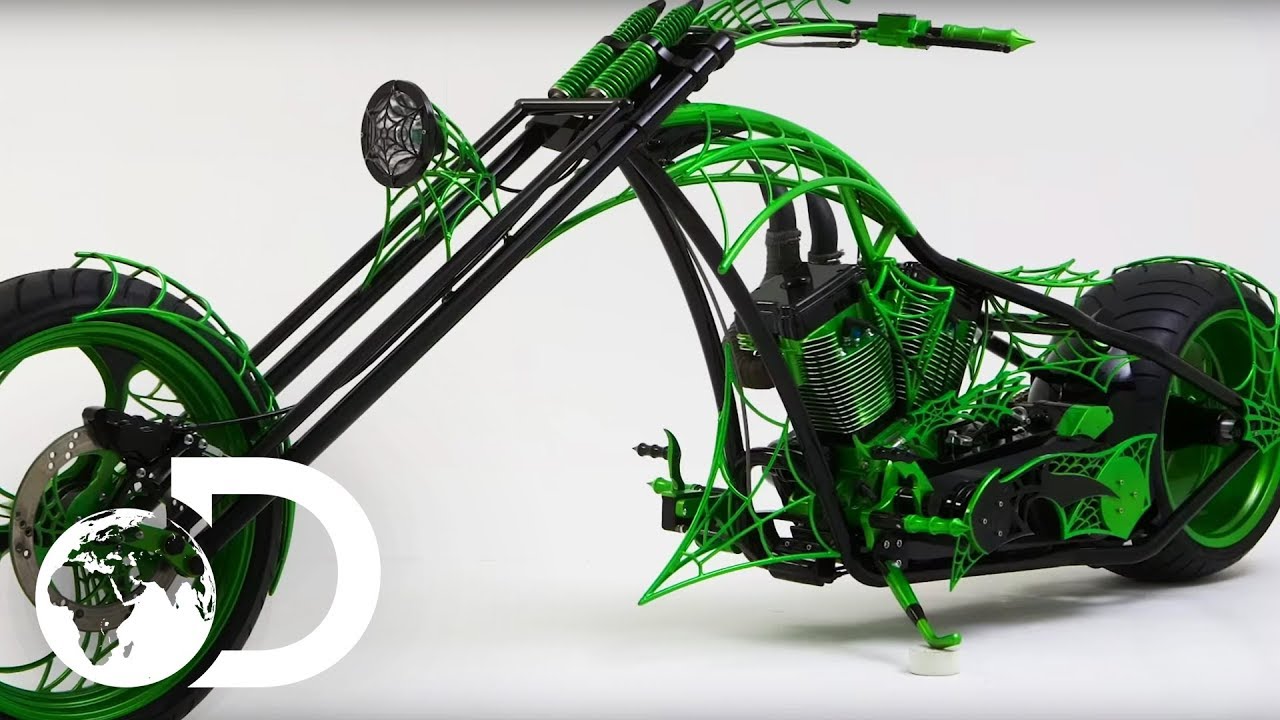
Custom choppers burst onto the scene like a roaring Harley Davidson with no muffler, loud and impossible to ignore. In the early 2000s, they were the darlings of pop culture, immortalized by reality TV shows and glossy magazines. The appeal was undeniable: these weren’t just motorcycles; they were rolling works of art, each one a testament to its builder’s skill and vision. But beneath the chrome and leather, a dangerous myth took root—the idea that passion alone could fuel a business.
Reality, however, is a far less forgiving engine. The market for high-end custom choppers is minuscule compared to mass-produced motorcycles. Most consumers don’t need a $30,000 handcrafted beast; they need a reliable, affordable ride. When the novelty wore off, many chopper companies found themselves peddling luxury items to a market that had moved on—or never arrived in the first place. The illusion of endless demand crumbled, leaving behind a trail of unsold inventory and empty showrooms.

The Cost of Obsession: How Financial Mismanagement Strangles Dreams
Running a custom chopper company isn’t just about welding and painting; it’s about juggling a financial circus where every act is a high-wire performance. Many founders dive in headfirst, fueled by passion but blind to the numbers. They underestimate the cost of raw materials, overestimate the price customers are willing to pay, and ignore the brutal truth that custom work is labor-intensive and time-consuming. A single project can eat up months of labor, only to yield a profit margin thinner than a chopper’s exhaust pipe.
Then there’s the cash flow conundrum. Custom builders often operate on a pay-as-you-go model, where clients make incremental payments as the build progresses. But what happens when a client’s enthusiasm wanes mid-project? Or when unexpected expenses—like a supplier’s price hike or a broken tool—erupt like a backfire? Without a financial buffer, these companies spiral into debt, their owners forced to choose between bankruptcy and liquidating assets. The romance of the workshop fades quickly when the bank starts calling.
Even those who manage to break even face another beast: scalability. Custom choppers don’t lend themselves to assembly-line efficiency. Each bike is a one-off, a snowflake in a world that demands consistency and speed. Companies that try to expand often dilute their craftsmanship, sacrificing quality for quantity—a move that alienates their core clientele and erodes their reputation.
The Vanishing Audience: How Cultural Shifts Left Builders Stranded
Custom choppers were never just machines; they were symbols of a rebellious spirit, a middle finger to convention. But symbols fade when the culture that birthed them evolves. The rise of electric motorcycles, with their silent hum and eco-friendly appeal, has lured away a generation of riders who once might have craved the growl of a V-twin. Meanwhile, younger demographics are drawn to the sleek lines of sport bikes or the minimalist aesthetic of adventure motorcycles, leaving choppers stranded in a nostalgic past.
Social media has also rewritten the rules of engagement. In the pre-instagram era, a chopper company could thrive on word-of-mouth and local reputation. Today, visibility demands a constant stream of content—videos of builds, behind-the-scenes stories, and viral-worthy finishes. For small shops, this is a Herculean task. The ones that succeed often do so by becoming content creators first and builders second, a pivot that strains resources and distracts from the core craft.
Even the chopper community itself has fragmented. What was once a unified subculture has splintered into factions—those who prioritize authenticity, those who chase trends, and those who see choppers as mere accessories. This division dilutes the market further, making it harder for any single company to dominate or even survive.
The Supply Chain Nightmare: When Materials Become the Enemy
A custom chopper is only as good as the parts that go into it. But in an era of global disruptions, supply chains have become a minefield. A builder might wait months for a specialty frame or a rare exhaust system, only to find the supplier has gone out of business—or worse, the price has tripled. These delays aren’t just inconvenient; they’re existential threats. A company that can’t deliver on time loses credibility. A company that can’t control costs loses profitability.
Then there’s the issue of specialization. Custom chopper builders often rely on niche suppliers who cater exclusively to their industry. When those suppliers falter, the builders have nowhere to turn. Unlike mass-market manufacturers, they can’t pivot to alternative parts or switch suppliers on a whim. Their entire operation is built on a house of cards, and when the cards collapse, so does the business.
Even the raw materials themselves are a gamble. Steel prices fluctuate like a chopper’s throttle. A sudden surge in material costs can turn a profitable project into a financial albatross. Many companies, caught off guard, are forced to absorb the losses or pass them onto customers—who, in a price-sensitive market, simply walk away.
The Legal Labyrinth: How Regulations and Liability Crush Small Businesses
Custom chopper companies don’t just build bikes; they navigate a legal minefield. Safety regulations, emissions standards, and liability laws are constantly evolving, and compliance isn’t cheap. A builder might spend thousands on certifications, only to find that a new law renders their entire business model obsolete. For example, stricter emissions rules can force companies to abandon beloved engine designs or invest in expensive retrofits.
Liability is another silent killer. A custom chopper is a high-performance machine, and high performance comes with high risk. If a client is injured in an accident, the builder could be held liable—even if the bike was modified after purchase. Lawsuits are costly, and insurance premiums for custom builders are through the roof. Many companies operate without adequate coverage, gambling that nothing will go wrong. When something does, the fallout can be catastrophic.
Then there’s the paperwork. Permits, contracts, and intellectual property disputes add layers of complexity that many founders are ill-equipped to handle. A single misfiled document or overlooked clause can spiral into a legal nightmare, draining time, money, and energy from the business.
The Legacy Trap: When Founders Can’t Let Go
Passion is a double-edged sword. For many chopper builders, their company isn’t just a business—it’s a legacy. They pour their heart, soul, and savings into every project, refusing to acknowledge when the market has moved on. This stubbornness is understandable but often fatal. Founders cling to outdated models, hoping for a revival that never comes. They resist diversification, fearing it will dilute their brand. They ignore the warning signs, convinced that their skill alone will carry them through.
But passion without pragmatism is a recipe for disaster. The most successful companies in any industry are those that adapt, evolve, or pivot when necessary. Custom chopper builders who refuse to embrace change—whether by expanding into electric bikes, offering maintenance services, or even selling merchandise—find themselves trapped in a shrinking niche. The market doesn’t care about legacy; it cares about relevance.
Even when founders do recognize the need for change, the transition can be brutal. Rebranding, retraining staff, or investing in new technology requires capital and courage—two things that are in short supply when a company is already on the brink.
The Road Ahead: Can Custom Chopper Companies Survive?
The future of custom chopper companies isn’t written in stone, but it’s undeniably rocky. Survival will belong to those who can blend tradition with innovation, who understand that craftsmanship alone isn’t enough. The builders who thrive will be the ones who diversify their offerings, embrace new technologies, and—most importantly—listen to their customers.
For the rest, the road ends in bankruptcy. Not because they lacked talent or passion, but because they underestimated the sheer ferocity of the challenges they faced. The custom chopper industry’s decline isn’t a tragedy; it’s a lesson. It’s a reminder that even the most dazzling dreams can stall when the road gets rough. The question now is whether the next generation of builders will learn from these mistakes—or repeat them.