In the vast, neon-lit sprawl of Japanese pop culture, where anime and manga dominate the global imagination, one figure stands out with a quiet, almost subversive allure—the chopper. Not the motorcycle, not the tool, but the character: a shape-shifting, often mischievous, sometimes melancholic creature that defies easy categorization. While Western audiences are familiar with the likes of *Chopper* from *One Piece*, there exists a hidden pantheon of Japanese TV shows where this archetype takes center stage, revealing deeper cultural fascinations with transformation, identity, and the blurred line between human and beast. These are the shows you haven’t seen—not because they’re obscure, but because they exist in the interstitial spaces of genre and memory, where the chopper thrives as a symbol of liberation and constraint alike.
The Chopper as a Cultural Mirror: Why We Can’t Look Away
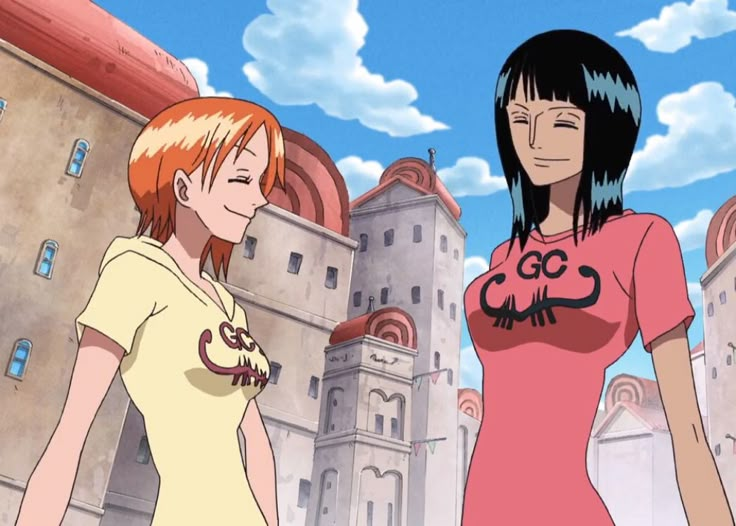
At first glance, the chopper seems like a whimsical device—a plot device that allows a character to slip between forms with the ease of a daydream. But beneath the surface, it’s a mirror held up to the human condition. The chopper embodies the tension between essence and appearance, between what we are and what we perform. In Japanese storytelling, this duality isn’t just a narrative trick; it’s a philosophical stance. The chopper’s transformations often reflect internal struggles—moral dilemmas, social alienation, or the search for belonging. When a character like Nico Robin from *One Piece* sheds her human guise to reveal her Devil Fruit powers, it’s not just about combat; it’s about confronting the fear of being seen as monstrous in a world that demands conformity.
This fascination isn’t confined to shonen battle series. In quieter, more introspective shows, the chopper becomes a metaphor for the masks we wear. Consider the way a character’s transformation might reveal hidden trauma or unspoken desires. The chopper isn’t just a tool for action; it’s a catalyst for emotional catharsis. It’s why audiences are drawn to these stories—they offer a rare glimpse into the psyche of characters who are, in essence, shape-shifters not just in form, but in spirit.


The Golden Age of Chopper TV: Forgotten Gems and Underrated Classics
The 1980s and 1990s were a golden age for the chopper in Japanese TV, a time when the medium was still experimenting with the boundaries of animation and storytelling. Shows like *Kimba the White Lion* and *The Mysterious Cities of Gold* featured choppers as enigmatic guides, creatures that bridged the gap between the animal kingdom and human civilization. These weren’t mere sidekicks; they were mentors, tricksters, and sometimes even villains, embodying the unpredictability of nature itself.
But it’s in the darker, more experimental series where the chopper truly comes into its own. Take *The Vision of Escaflowne*, for instance—a show that blends mecha, fantasy, and romance into a tapestry of transformation. The protagonist, Hitomi, isn’t a chopper herself, but her journey is defined by her encounters with shape-shifting beings who challenge her perceptions of reality. The chopper here isn’t just a character; it’s a narrative force, pushing the story into realms of surrealism and existential dread. Similarly, *Rurouni Kenshin*’s Enishi Yukishiro, with his eerie, almost spectral presence, operates like a chopper—haunting the edges of the narrative, a reminder of the past that refuses to stay buried.
These shows are often overlooked in favor of their more action-packed contemporaries, but their strength lies in their subtlety. They don’t rely on flashy transformations or over-the-top battles; instead, they use the chopper as a lens to explore themes of memory, loss, and the fluidity of identity. In a medium often criticized for its rigid archetypes, these series stand out for their willingness to embrace ambiguity.
Choppers in the Digital Age: Modern Reinventions and Hidden Depths
The 21st century has seen the chopper evolve from a narrative device into a cultural phenomenon, with modern series reimagining its role in ways that resonate with contemporary anxieties. *Mushishi* is a prime example—a show that treats choppers (or “mushi,” as they’re called) as forces of nature, neither good nor evil, but indifferent to human concerns. The protagonist, Ginko, isn’t a chopper himself, but his interactions with these creatures reveal a world where transformation is a natural part of existence, not a spectacle to be controlled.
Then there’s *Natsume’s Book of Friends*, where the choppers—known as “yokai”—are neither allies nor enemies, but entities that exist in the liminal spaces between the human and supernatural worlds. The show’s genius lies in its refusal to moralize. The yokai, including choppers, are simply part of the landscape, their transformations a reflection of the ever-shifting boundaries of reality. This approach feels particularly relevant in an era where identity is increasingly fluid, and the line between human and machine, or human and monster, is constantly being redrawn.
Even in more mainstream fare like *Demon Slayer*, the chopper archetype finds a new home in characters like Nezuko, whose transformation into a demon is both a curse and a liberation. The show’s success isn’t just due to its stunning animation; it’s because it taps into a primal fascination with the idea of shedding one’s skin, literally and metaphorically, to become something new.

The Psychology of the Chopper: Why We’re Obsessed
To understand why the chopper resonates so deeply, we must look beyond the screen and into the human psyche. The chopper is, at its core, a symbol of potential—the idea that we are not fixed, not immutable, but capable of reinvention. In a society that often demands conformity, the chopper offers a tantalizing escape: the chance to be something else, if only for a moment. This isn’t just about escapism; it’s about the human desire to explore the boundaries of the self.
There’s also a darker side to this fascination. The chopper’s transformations can be read as a metaphor for trauma—how we change, how we adapt, how we sometimes lose parts of ourselves in the process. A character who transforms unwillingly, like the protagonist of *Parasyte*, grapples with the horror of losing control, a theme that resonates in an age where identity is increasingly commodified and manipulated. The chopper, in these cases, becomes a cautionary tale, a reminder of the fragility of the self.
Yet, for all its complexity, the chopper remains a figure of hope. It’s a reminder that change isn’t always a loss; sometimes, it’s a revelation. Whether it’s a character finding the courage to embrace their true form or a society learning to accept those who exist in the margins, the chopper is a beacon of possibility. It’s why, even in the most mundane of stories, the presence of a chopper feels like a promise—that beneath the surface, there’s always more to discover.
Where to Begin: A Curated Journey Through Chopper TV
If you’re ready to dive into the world of choppers beyond *One Piece*, here’s a curated list to guide your journey. Start with the classics: *Kimba the White Lion* for its lush, dreamlike storytelling, or *The Mysterious Cities of Gold* for its blend of adventure and mystery. Move into the modern era with *Mushishi*, where the chopper is a force of nature, or *Natsume’s Book of Friends*, where it’s a bridge between worlds. For something darker, try *Parasyte*, where transformation is a survival mechanism, or *Demon Slayer*, where it’s a curse turned blessing.
Each of these shows offers a unique perspective on the chopper archetype, but they all share one thing in common: they understand that transformation isn’t just about changing form. It’s about changing perspective. It’s about seeing the world—and yourself—in a new light. So the next time you encounter a chopper on screen, don’t just marvel at its shape-shifting abilities. Ask yourself: what is it trying to tell us? What deeper truth is it revealing? The answer might just change how you see the world.