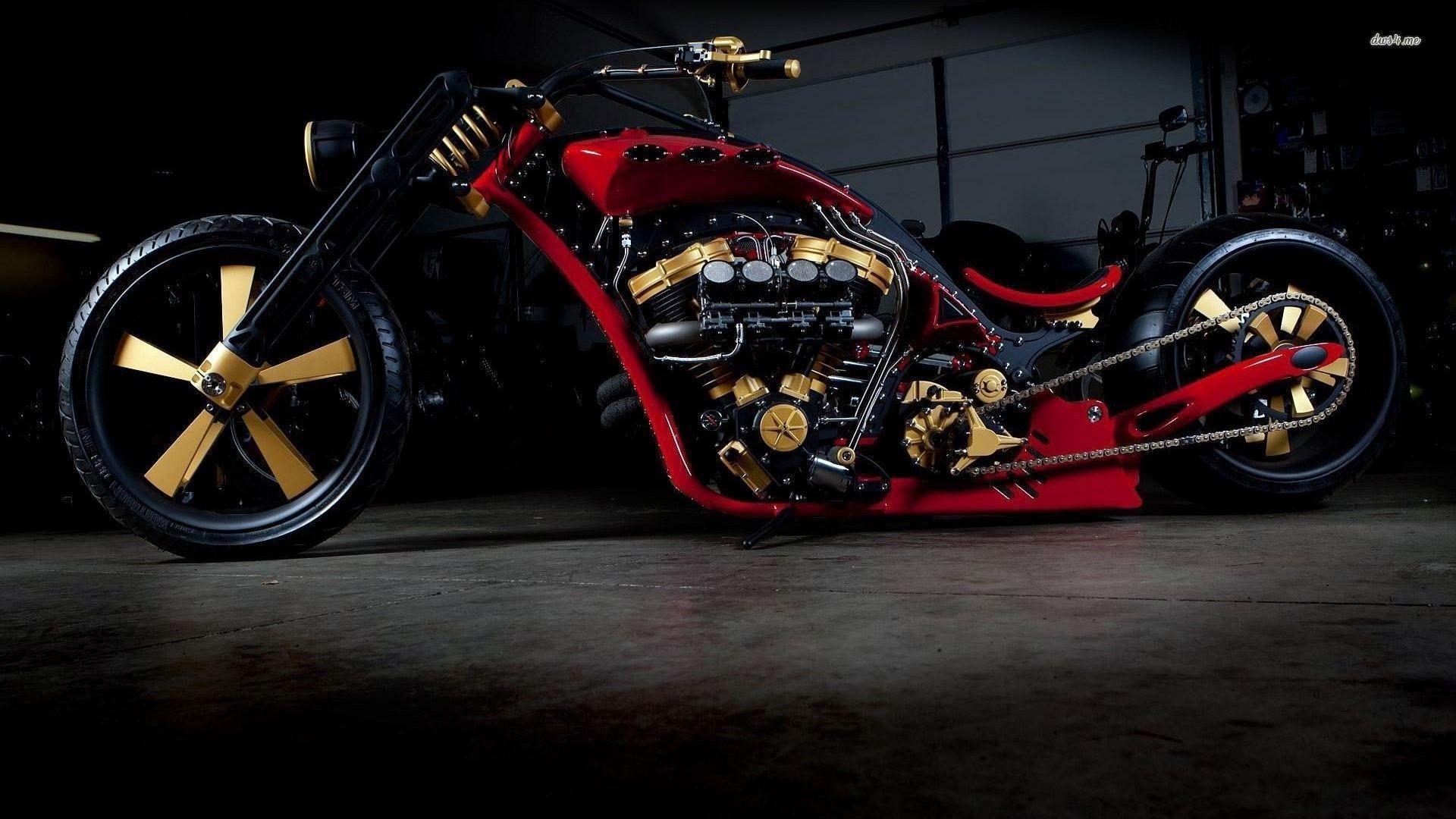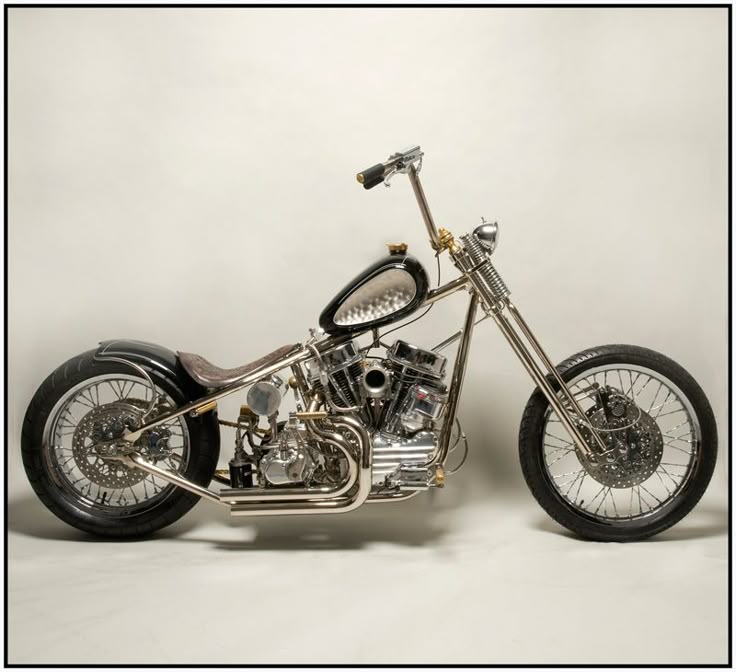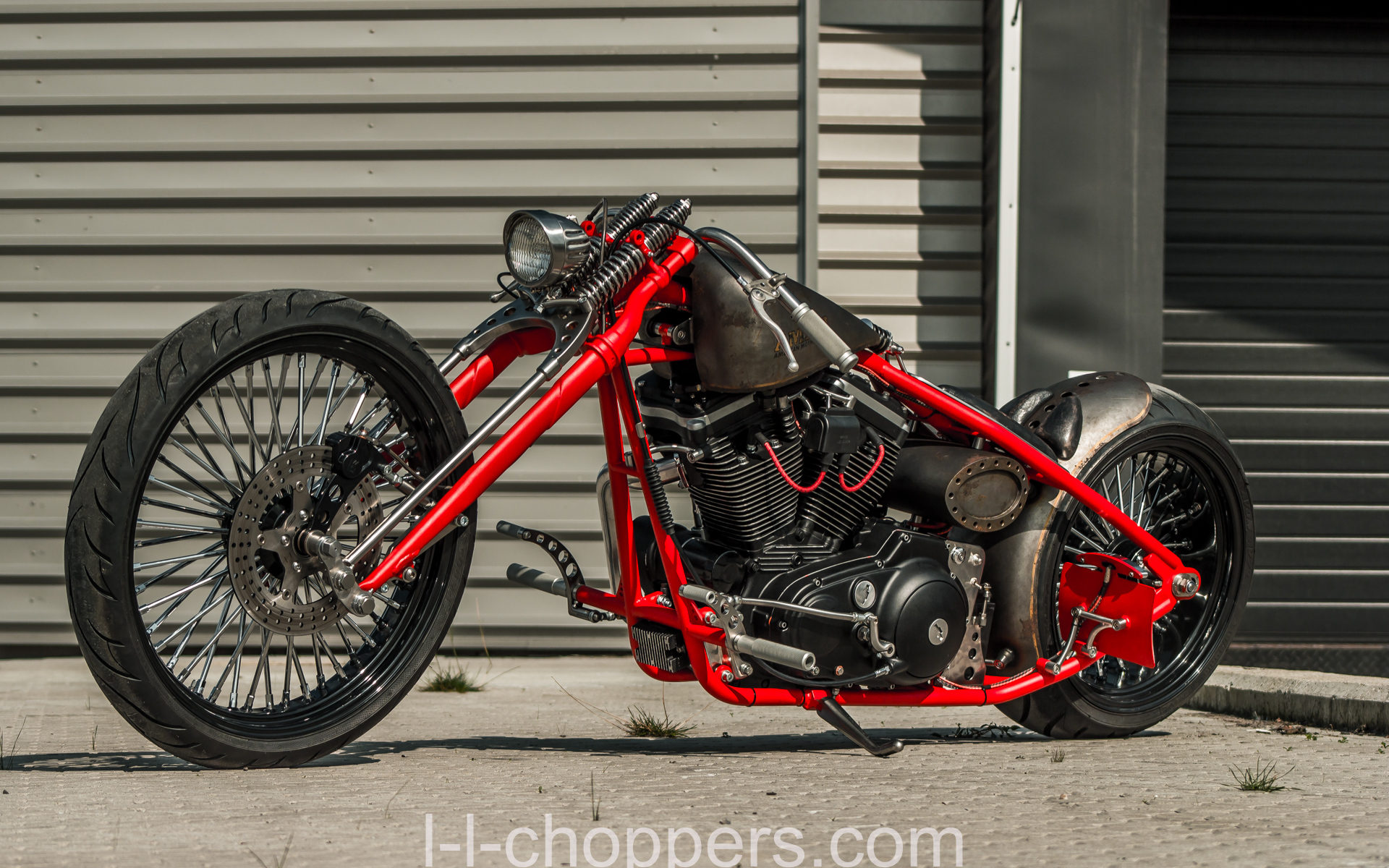
There’s something primal about a motorcycle that defies convention. It’s not just about speed or power—it’s about the way it commands attention, the way it bends reality to its will. The Dutch chopper style, with its “low and long” philosophy, does exactly that. It strips away the unnecessary, leaving only the raw essence of what a motorcycle can be: a rolling sculpture of steel and rebellion. This isn’t just a bike. It’s a statement.
The Philosophy of “Low and Long”: Why Less Is More
The Dutch chopper isn’t just a design choice; it’s a rebellion against the bloated, over-engineered motorcycles that dominate the market. The “low and long” ethos is rooted in minimalism, where every line serves a purpose. The frame stretches like a taut wire, the seat hugs the rear wheel, and the front end dips so low it almost kisses the pavement. This isn’t just for aesthetics—it’s a functional masterpiece. The elongated frame lowers the center of gravity, making the bike more stable at high speeds while the stretched-out stance turns heads like a runway model in motion.
But why does this style resonate so deeply? Because it challenges our perception of what a motorcycle should be. In a world where bikes are increasingly wrapped in plastic and crammed with electronics, the Dutch chopper is a breath of fresh air—a return to the raw, unfiltered soul of two-wheeled freedom.

The Art of the Hardtail: When the Frame Speaks for Itself
The hardtail frame is the beating heart of the Dutch chopper. No rear suspension. No compromises. Just pure, unadulterated steel and the rider’s skill to navigate the road. This isn’t just a design choice—it’s a philosophy. The absence of a rear shock means the bike moves with the rider, not against them. Every bump, every imperfection in the pavement is felt, but that’s part of the charm. It’s a motorcycle that demands respect, that rewards precision, that turns every ride into a dance between man and machine.
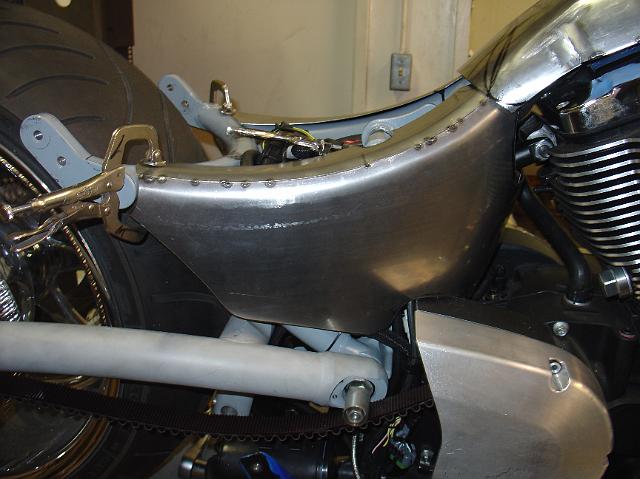
Building a hardtail chopper is an exercise in patience and craftsmanship. The frame must be meticulously designed to balance weight distribution, stability, and that signature low-slung aesthetic. The result? A bike that doesn’t just look fast—it *is* fast, in the most visceral way possible. The lack of suspension means the rider becomes one with the road, feeling every nuance of the journey. It’s not for the faint of heart, but for those who dare, it’s an experience like no other.

The Dragster Influence: Where Speed Meets Style
The Dutch chopper doesn’t just borrow from dragsters—it *is* a dragster in spirit. The elongated frame, the stretched-out wheelbase, the low-slung seat—it’s all designed to cut through the air with minimal resistance. This isn’t just about looking fast; it’s about *being* fast. The dragster influence is evident in every curve, every angle, every deliberate choice to shave off unnecessary weight. The result is a bike that doesn’t just turn heads—it leaves them in the dust.
But speed isn’t the only thing that defines this style. It’s the way the bike *feels*. The way the rider sits almost on top of the rear wheel, the way the front end dips so low it seems to defy gravity. It’s a machine built for the open road, where every mile is a celebration of freedom and control. The dragster influence isn’t just a nod to performance—it’s a testament to the Dutch chopper’s ability to merge art and engineering into a single, breathtaking package.
The Craftsmanship Behind the Machine: Building a Dutch Chopper
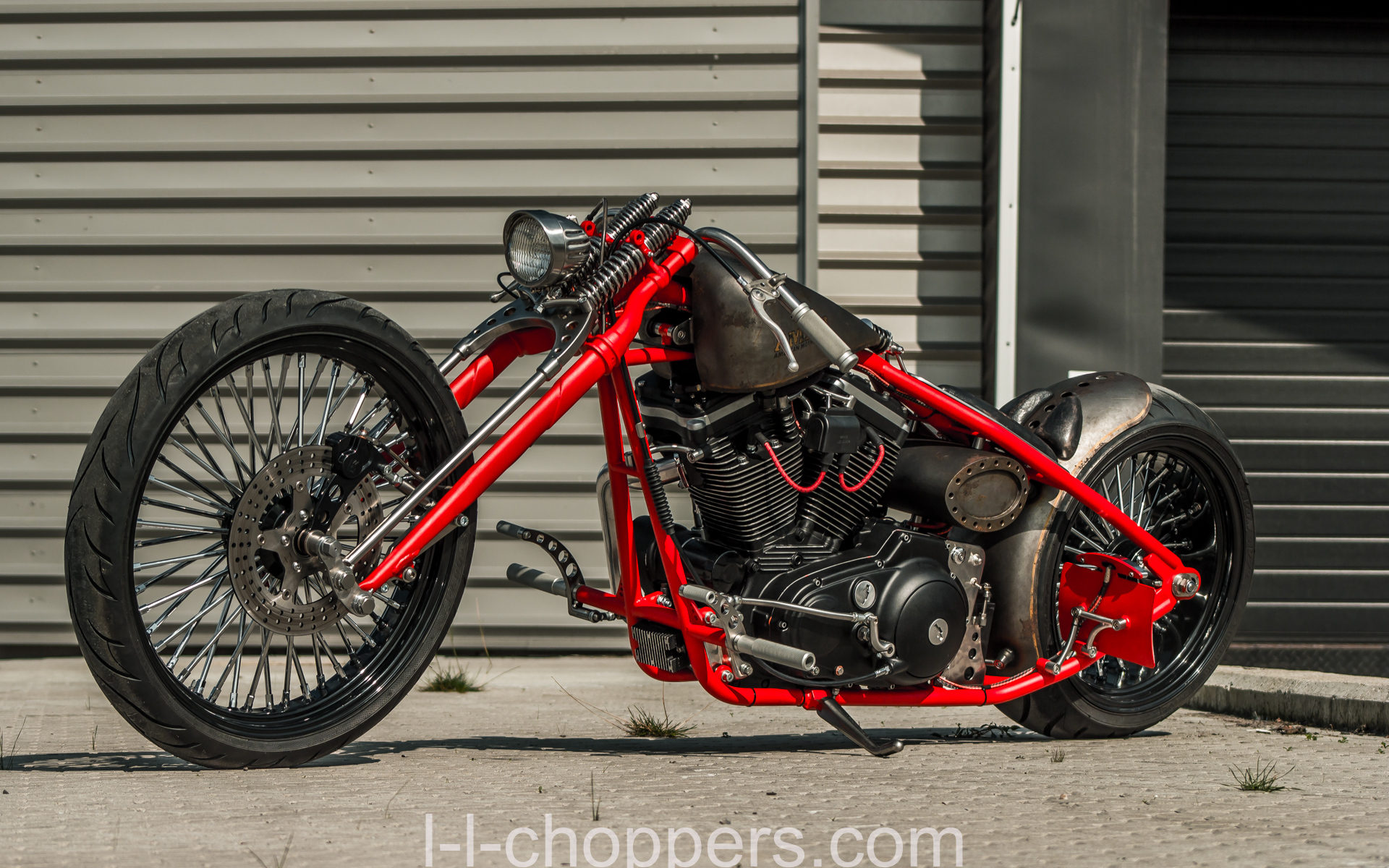
Creating a Dutch chopper is a labor of love. It starts with a vision—a sketch, a dream, a desire to build something that stands apart from the crowd. The frame is the foundation, often hand-welded from steel to achieve that signature low and long silhouette. Every cut, every weld, every curve is a deliberate choice, a step toward perfection. The engine is chosen not just for power, but for character—often a vintage V-twin that growls like a beast when revved.
The build process is as much about patience as it is about skill. There are no shortcuts. No compromises. Every component is selected for its fit, its function, and its ability to contribute to the overall aesthetic. The result is a motorcycle that isn’t just assembled—it’s *born*. A machine that tells a story, that carries the soul of its builder, and that promises an experience unlike any other.
For those who take on the challenge of building a Dutch chopper, the reward isn’t just in the ride—it’s in the creation. It’s in the way the bike evolves from raw materials into a work of art. It’s in the way it turns heads, sparks conversations, and becomes a part of the rider’s identity. This isn’t just a motorcycle. It’s a legacy.
Riding the Dutch Chopper: A Symphony of Man and Machine
There’s a moment, just before the throttle is cracked, when everything falls away. The world narrows to the hum of the engine, the weight of the bike beneath you, the road ahead. Riding a Dutch chopper is an experience that transcends the ordinary. The low-slung stance means you’re almost lying down, your body melded to the machine. The elongated frame responds to the slightest shift in weight, making every turn a conversation between rider and road.
It’s not just about speed—though the Dutch chopper is more than capable of delivering that. It’s about the way the bike *feels*. The way it responds to your touch, the way it glides over imperfections, the way it turns every ride into a performance. This is a motorcycle that demands your attention, that rewards your skill, that becomes an extension of yourself. It’s not just a machine. It’s a partner in crime, a confidant on two wheels.
The Dutch chopper style isn’t for everyone. It’s for those who crave authenticity, who value craftsmanship over convenience, who see a motorcycle as more than just a mode of transport. It’s for those who understand that sometimes, less really is more—and that the most beautiful machines are the ones that dare to defy convention.
The Future of the Dutch Chopper: A Timeless Rebellion
The Dutch chopper isn’t just a trend—it’s a movement. A rebellion against the homogenization of motorcycle design. A celebration of raw, unfiltered creativity. And as long as there are riders who refuse to conform, who demand more from their machines, the Dutch chopper will endure. It’s a style that doesn’t just capture the spirit of the open road—it redefines it.
In a world where everything is increasingly digital, where machines are designed to be efficient rather than expressive, the Dutch chopper stands as a testament to the power of human ingenuity. It’s a reminder that sometimes, the most extraordinary things are the ones that break the mold. That challenge the status quo. That refuse to be ignored.
The future of the Dutch chopper is bright. Because as long as there are builders who dare to dream, and riders who dare to ride, this style will continue to captivate, inspire, and redefine what it means to be a motorcyclist. It’s more than a bike. It’s a statement. It’s a legacy. It’s the future—low, long, and unapologetically bold.