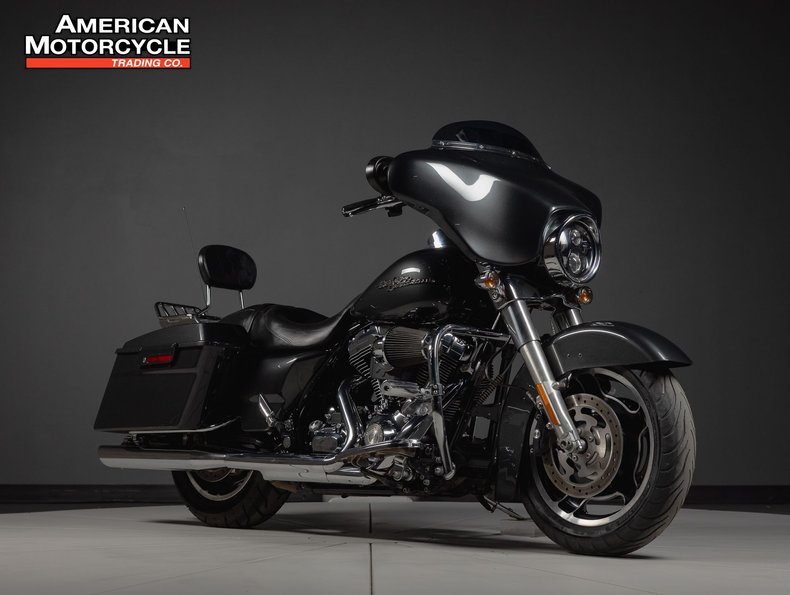
The checkerboard race accent isn’t just a visual flourish—it’s a cultural emblem, a silent storyteller etched into the very soul of chopper culture. When you see that bold, black-and-white grid framing a motorcycle’s tank or emblazoned across a magazine cover, you’re witnessing more than a design choice. You’re glimpsing a legacy of speed, rebellion, and precision that has defined an entire subculture. This isn’t just about aesthetics; it’s about identity, heritage, and the unspoken language of those who dare to ride differently.
The Checkerboard Race: A Symbol of Speed and Precision
The checkerboard pattern, with its stark contrast and rhythmic repetition, mirrors the relentless pulse of a motorcycle engine at full throttle. It’s no coincidence that this design flourished in the golden age of drag racing, where every millisecond counted and every detail had to scream performance. The grid’s geometric perfection isn’t just pleasing to the eye—it’s a visual metaphor for the precision required to dominate a race. When a chopper’s tank is adorned with this pattern, it’s as if the bike itself is declaring its readiness to conquer the asphalt, one square at a time.
Consider the way the checkerboard’s lines seem to blur at high speeds, creating an optical illusion that heightens the sense of motion. This isn’t just a static design; it’s a dynamic force, a visual echo of the motorcycle’s own velocity. The pattern doesn’t just sit there—it *moves*, it *breathes*, it becomes one with the machine’s relentless forward thrust. It’s a reminder that in the world of choppers, every element must serve a purpose, and beauty is only as strong as the function it enhances.
The Rebellion Woven into the Grid
Chopper culture has always been a defiant whisper against the mainstream, and the checkerboard race accent is its most unapologetic emblem. Born from the gritty, unfiltered ethos of the 1960s and 70s, this design carries the DNA of outlaw bikers who rejected conformity in favor of raw, unbridled expression. The checkerboard isn’t just a pattern—it’s a middle finger to the polished, mass-produced aesthetics of corporate motorcycles. It’s the visual equivalent of a growling engine, a declaration that this machine—and its rider—answer to no one.
There’s something almost subversive about the way the checkerboard disrupts the smooth curves of a chopper’s frame. It’s a deliberate clash of order and chaos, a rebellion against the idea that a motorcycle must be sleek and streamlined to be beautiful. Instead, the checkerboard announces itself with bold defiance, a reminder that true artistry often lies in the imperfections and the bold strokes that refuse to be ignored. It’s the kind of design that doesn’t just catch the eye—it demands respect, even from those who might not understand its roots.
The Checkerboard as a Cultural Bridge
What makes the checkerboard race accent so fascinating is its ability to transcend its origins and become a universal language within chopper culture. It’s a thread that weaves through decades, connecting the grease-stained garages of the past with the polished custom shops of today. This pattern has been adopted by builders, riders, and artists alike, each imbuing it with their own meaning while paying homage to its legacy. It’s a rare symbol that manages to be both timeless and ever-evolving, a testament to its enduring power.
Think of the checkerboard as the chopper world’s equivalent of a handshake—a silent acknowledgment between riders that says, “I know the code.” Whether it’s emblazoned on a vintage drag bike or a modern custom creation, the pattern serves as a bridge between generations. It’s a way for new riders to connect with the past while forging their own path. In a culture that often prides itself on individuality, the checkerboard is a unifying force, a shared secret that binds enthusiasts across time and geography.
The Psychology Behind the Fascination
Why does the checkerboard race accent hold such an irresistible allure? Part of it lies in the psychology of contrast. The stark black-and-white grid creates a visual tension that is both striking and hypnotic. It’s a pattern that commands attention, forcing the viewer to engage with it on a deeper level. In a world saturated with color and noise, the checkerboard stands out precisely because it refuses to blend in. It’s a deliberate choice to be seen, to be remembered.
There’s also an element of nostalgia at play. For many riders, the checkerboard evokes memories of childhood, of board games and playgrounds, of a time when life was simpler and the world felt full of possibility. This pattern taps into something primal, a connection to the past that transcends generations. It’s a way to keep the spirit of the old-school alive, even as the bikes themselves evolve. The checkerboard isn’t just a design—it’s a time capsule, a way to carry the past into the future.
The Checkerboard in Modern Customization
Today, the checkerboard race accent has evolved beyond its drag-racing roots to become a staple of modern chopper customization. Builders are reimagining the pattern, experimenting with scale, color, and placement to create designs that are both fresh and nostalgic. Some opt for a minimalist approach, using the grid as a subtle accent on a fuel tank or fender. Others go all out, covering entire sections of the bike in a checkerboard explosion of black and white. The result is a stunning fusion of tradition and innovation, a reminder that the checkerboard is as versatile as it is iconic.
What’s particularly striking is how the checkerboard adapts to different styles. On a sleek, modern chopper, it can add a touch of retro flair without overwhelming the design. On a vintage-inspired build, it can serve as a bold homage to the past. And on a custom showpiece, it can become the centerpiece, a dazzling display of craftsmanship and creativity. The checkerboard isn’t just a pattern—it’s a chameleon, capable of transforming to suit any vision.
The checkerboard race accent is more than just a design choice—it’s a declaration. It’s a shout into the wind, a challenge to the road, a tribute to the riders who came before. It’s the visual heartbeat of a culture that thrives on individuality, rebellion, and unbridled passion. Whether you’re a lifelong enthusiast or a casual observer, there’s no denying the power of this iconic pattern. It’s a reminder that in the world of choppers, every detail matters, and every line tells a story.
The Deeper Meaning: Why We Can’t Look Away
At its core, the checkerboard race accent is a paradox—a blend of order and chaos, tradition and rebellion, simplicity and complexity. It’s a pattern that refuses to be ignored, a design that demands to be felt as much as it is seen. But beyond its visual impact, the checkerboard carries a deeper meaning. It’s a symbol of the chopper rider’s spirit: unyielding, unapologetic, and always moving forward.
There’s a reason why this pattern has endured for decades. It’s not just because it looks good—it’s because it *means* something. It’s a reminder that the best designs aren’t just pretty; they’re powerful. They tell a story. They evoke emotion. They connect us to something bigger than ourselves. The checkerboard race accent does all of that and more. It’s a testament to the enduring allure of chopper culture, a culture that continues to captivate and inspire riders around the world.
So the next time you see a chopper adorned with that bold, black-and-white grid, take a moment to appreciate what it represents. It’s not just a design—it’s a legacy. It’s a rebellion. It’s a love letter to the open road. And it’s a reminder that in a world full of noise, sometimes the simplest patterns speak the loudest.