The allure of a chopper with a salvage title is undeniable—its raw, unfiltered character, the promise of a bargain, and the thrill of transforming a wounded machine into a masterpiece. Yet, beneath the surface of this enticing proposition lies a labyrinth of risks that could turn your dream ride into a financial quagmire. Buying a salvage-title chopper isn’t just about snagging a deal; it’s about navigating a minefield of hidden costs, legal quagmires, and mechanical uncertainties. Whether you’re a seasoned gearhead or a first-time buyer, understanding the pitfalls is paramount. This guide dissects the risks, equips you with critical insights, and arms you with the knowledge to make an informed decision.
The Deceptive Allure of Salvage-Title Choppers
At first glance, a salvage-title chopper seems like a steal. These bikes, often sold for a fraction of their market value, tantalize with their rugged charm and the potential for a custom build. The salvage title itself—a badge of a bike that’s been deemed a total loss by an insurer—can be misleading. Many buyers assume the damage is superficial, only to later uncover structural compromises or hidden mechanical maladies. The truth is, salvage titles come in various flavors: flood-damaged, collision-wrecked, or even stolen-and-recovered bikes. Each category carries its own set of risks, from corrosion that eats away at the frame to electrical systems that are beyond repair. The key is to look beyond the price tag and ask: What’s the real story behind this salvage title?


Financial Quicksand: The Hidden Costs of Salvage-Title Bikes
While the upfront cost of a salvage-title chopper may seem like a steal, the long-term expenses can spiral out of control. Insurers often slap salvage titles on bikes that require thousands in repairs, and these costs aren’t always apparent during a cursory inspection. Frame straightening, engine rebuilds, electrical rewiring—each repair can drain your wallet faster than a leaky fuel tank. Moreover, salvage-title bikes are notoriously difficult to insure. Many insurers either refuse coverage outright or charge exorbitant premiums, leaving you financially exposed. And let’s not forget the resale value. A salvage-title chopper is nearly impossible to sell at a profit, if at all. The financial burden isn’t just a risk; it’s a guarantee for those who fail to do their homework.
Legal Labyrinths: Title Woes and Ownership Nightmares
The salvage title itself is a legal minefield. In many states, a salvage title means the bike can’t be registered or driven on public roads until it’s been repaired and re-inspected—a process that can take months and cost a small fortune. Some sellers may even attempt to “wash” the title by moving it through multiple states with lax regulations, obscuring its salvage status. This can lead to a nightmare of legal disputes, especially if the bike was stolen or involved in fraudulent activities. Even if the title is clean, the bike’s history might not be. Always run a VIN check to uncover any liens, theft records, or past accidents. A salvage-title chopper isn’t just a mechanical gamble; it’s a legal gamble that could leave you holding the bag.
Mechanical Mayhem: The Silent Saboteurs in Salvage-Title Choppers
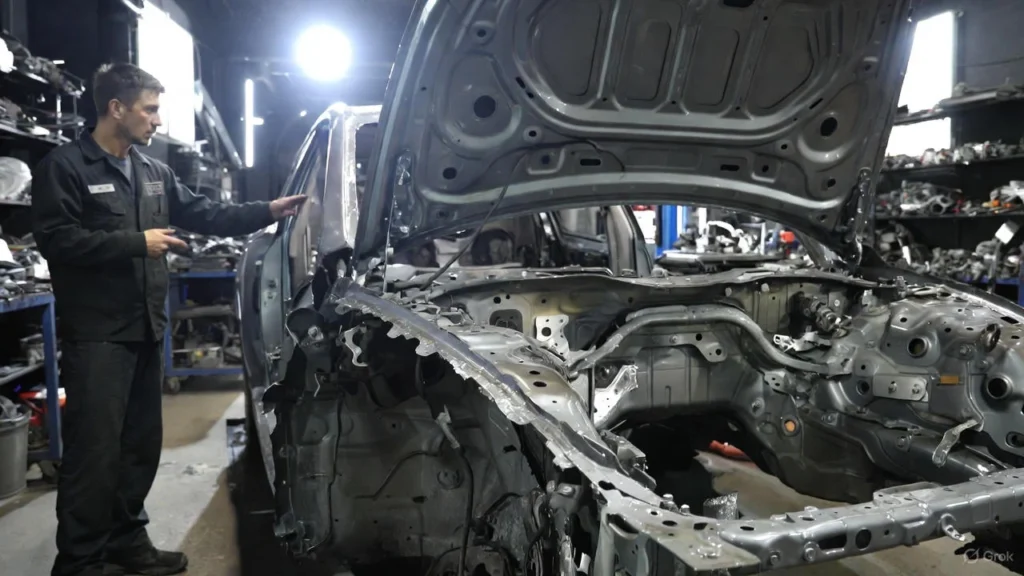
Beneath the gleaming paint and polished chrome of a salvage-title chopper often lies a mechanical Frankenstein’s monster. Salvage bikes are frequently sold “as-is,” with little to no disclosure about the extent of the damage. A minor collision might have bent the frame, while a flood-damaged bike could harbor hidden corrosion that will eat through the engine in months. Electrical systems are another Achilles’ heel—water damage can fry wiring harnesses, leaving you with a bike that’s more spark than function. Even if the engine runs, the transmission or suspension might be on its last legs. Without a thorough pre-purchase inspection by a trusted mechanic, you’re essentially buying a pig in a poke. The mechanical risks of a salvage-title chopper aren’t just high; they’re inevitable.

Insurance and Financing: The Double-Edged Sword
Securing insurance for a salvage-title chopper is like trying to find a needle in a haystack—possible, but painfully difficult. Most mainstream insurers won’t touch a salvage-title bike, leaving you to scour the market for high-risk providers who charge premiums that could rival the bike’s original value. And if you’re planning to finance the purchase? Forget about it. Banks and credit unions view salvage-title bikes as too risky, forcing you to pay in cash or seek alternative financing options with sky-high interest rates. The financial barriers don’t end there. If the bike is involved in an accident, insurers may deny claims outright, citing the salvage title as proof of pre-existing damage. In the world of salvage-title choppers, insurance and financing aren’t just hurdles—they’re roadblocks.
Resale Reality: The Salvage-Title Paradox
Even if you manage to restore a salvage-title chopper to pristine condition, the resale market is a graveyard for such bikes. Potential buyers will either shy away due to the salvage title or demand a steep discount, negating any value you’ve added through repairs. The stigma of a salvage title follows the bike like a shadow, making it nearly impossible to recoup your investment. Some buyers attempt to “re-title” the bike as a rebuilt or reconstructed title, but this process is fraught with red tape, inspections, and fees that can outweigh the bike’s value. The resale reality is stark: a salvage-title chopper is a financial black hole, sucking in time, money, and effort with no return in sight.
The Emotional Toll: When Passion Meets Reality
Beyond the financial and legal risks, there’s an emotional toll to consider. Restoring a salvage-title chopper is a labor of love, but it can quickly turn into a Sisyphean task. Months of work, sleepless nights, and mounting frustration can erode the thrill of the build. The bike that once promised freedom and adventure becomes a source of stress, a constant reminder of the gamble you took. And if the restoration fails? The disappointment can be crushing. Salvage-title choppers aren’t just a mechanical challenge; they’re an emotional rollercoaster that tests the limits of your patience and passion.
Mitigating the Risks: A Buyer’s Survival Guide
If you’re undeterred by the risks, arm yourself with knowledge. Start by researching the bike’s history—run a VIN check, look for liens, and verify the salvage title’s legitimacy. Inspect the bike thoroughly, or better yet, hire a mechanic to do it for you. Look for signs of frame damage, corrosion, or electrical issues. Ask for service records and proof of repairs. If the seller can’t provide these, walk away. Consider the bike’s intended use—is it a project for a garage queen, or a daily ride? The answer will dictate how much risk you’re willing to take. And finally, set a strict budget for repairs, including a 20-30% contingency for unexpected costs. A salvage-title chopper can be a rewarding project, but only if you go in with your eyes wide open.

The road to owning a salvage-title chopper is paved with pitfalls, but for those who navigate it wisely, the rewards can be immense. It’s a journey of patience, perseverance, and passion—a test of your mechanical prowess and financial acumen. But remember: the risks aren’t just theoretical. They’re real, they’re costly, and they’re often irreversible. Weigh them carefully, and you might just find yourself the proud owner of a one-of-a-kind machine. Ignore them, and you could be left with a pile of parts, a mountain of debt, and a lesson learned the hard way.