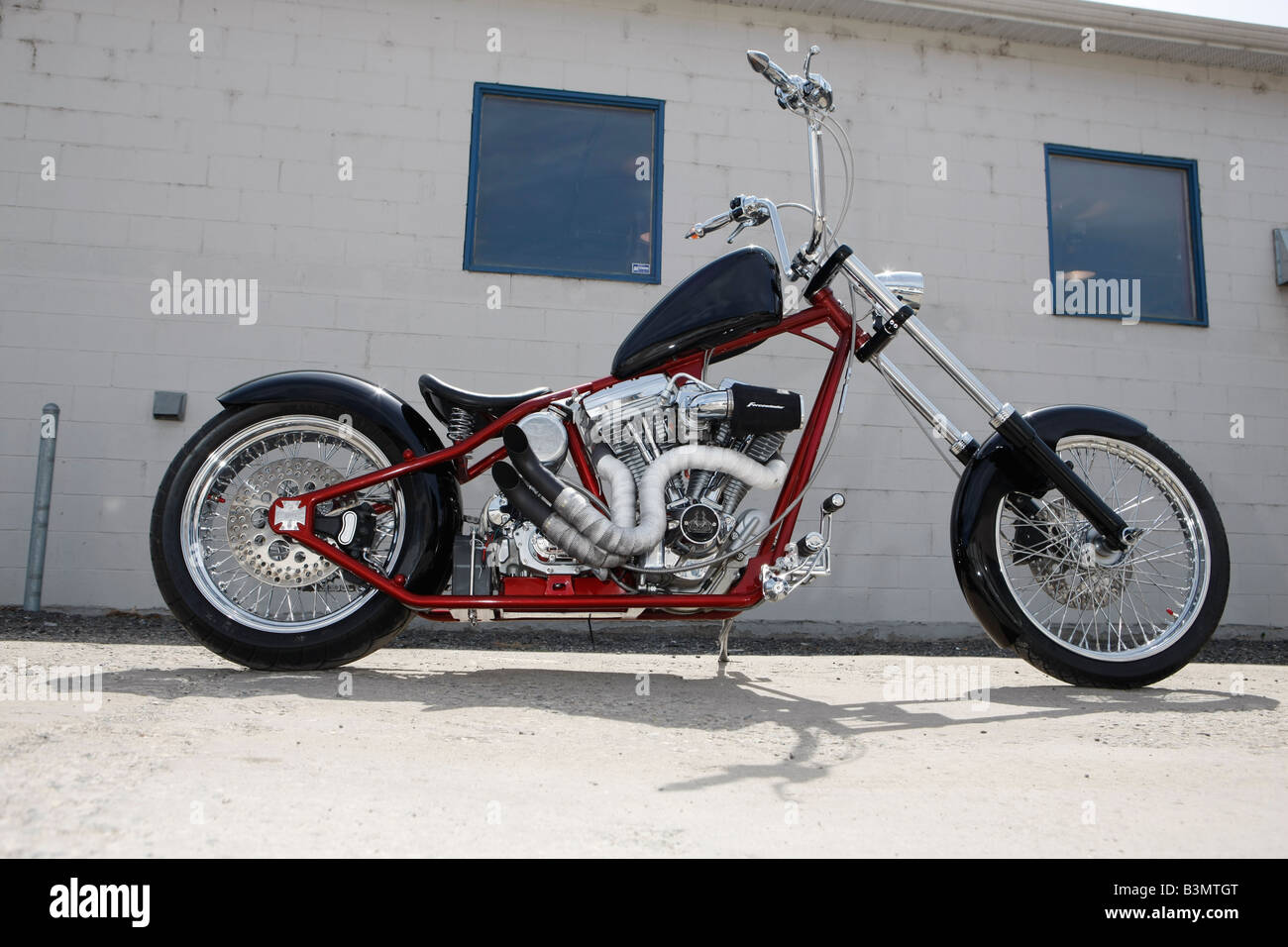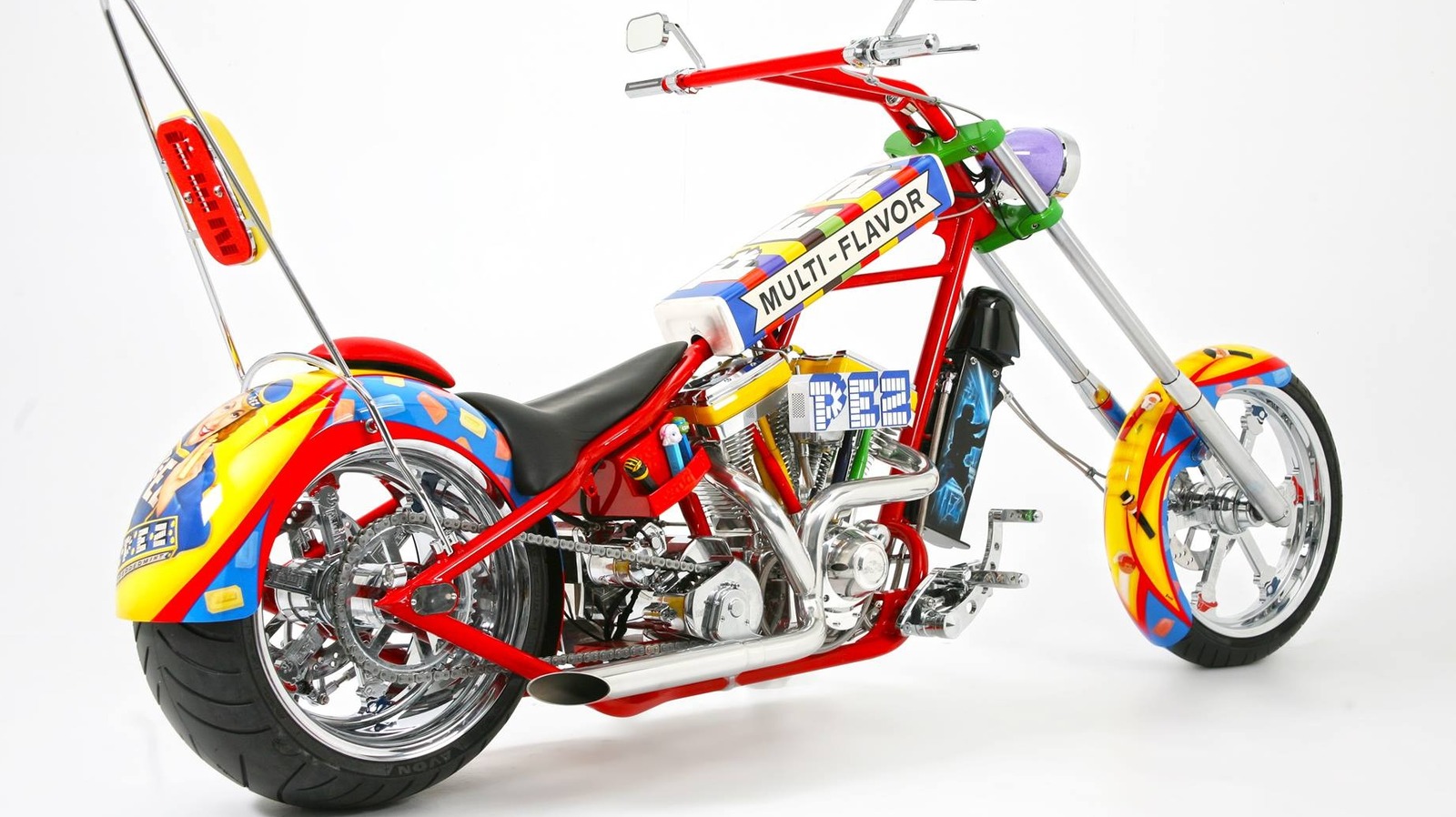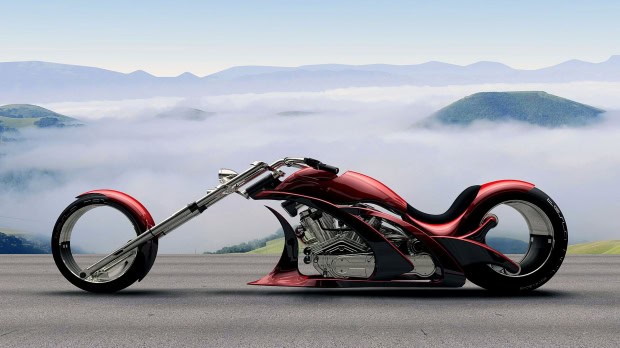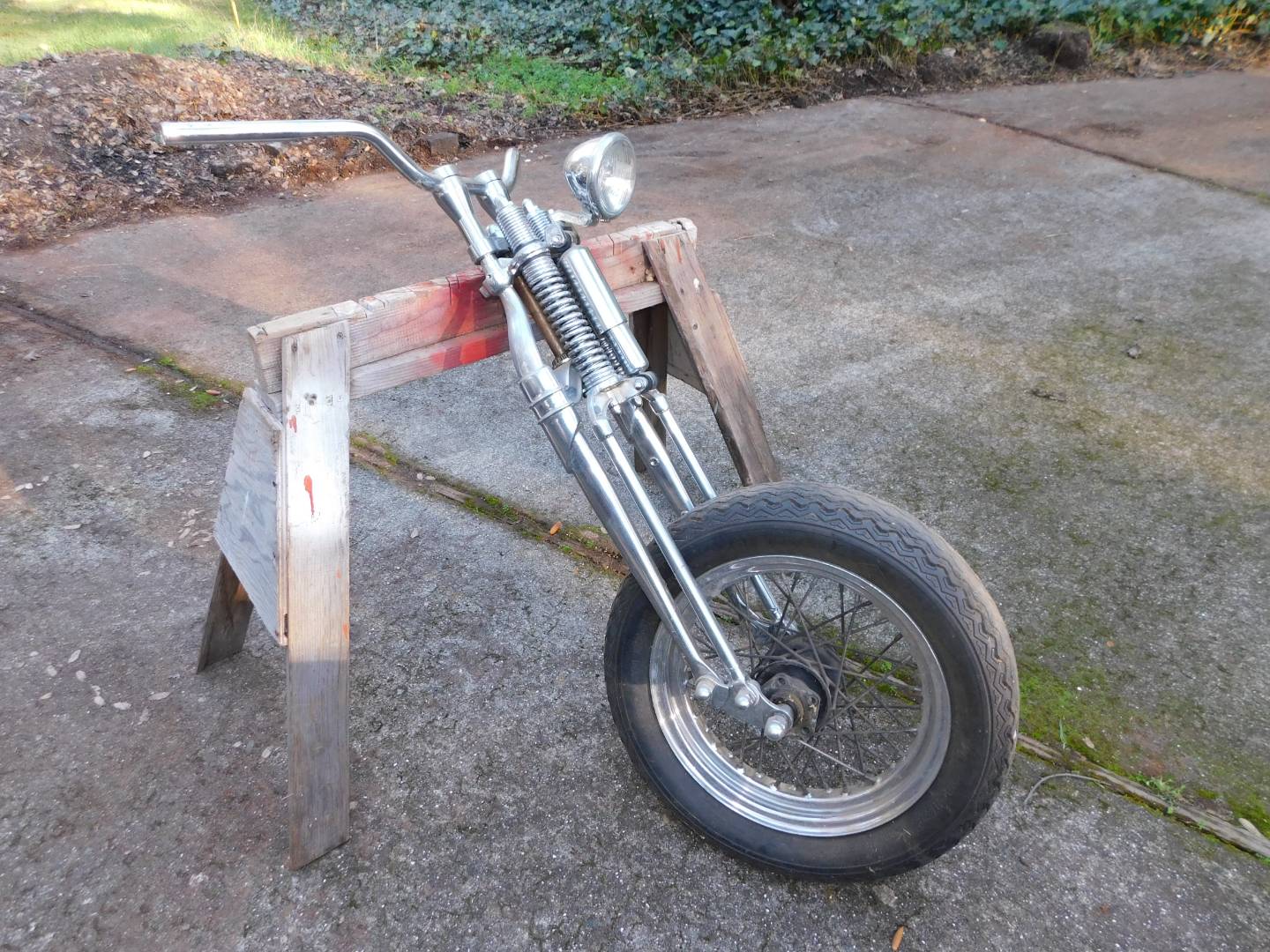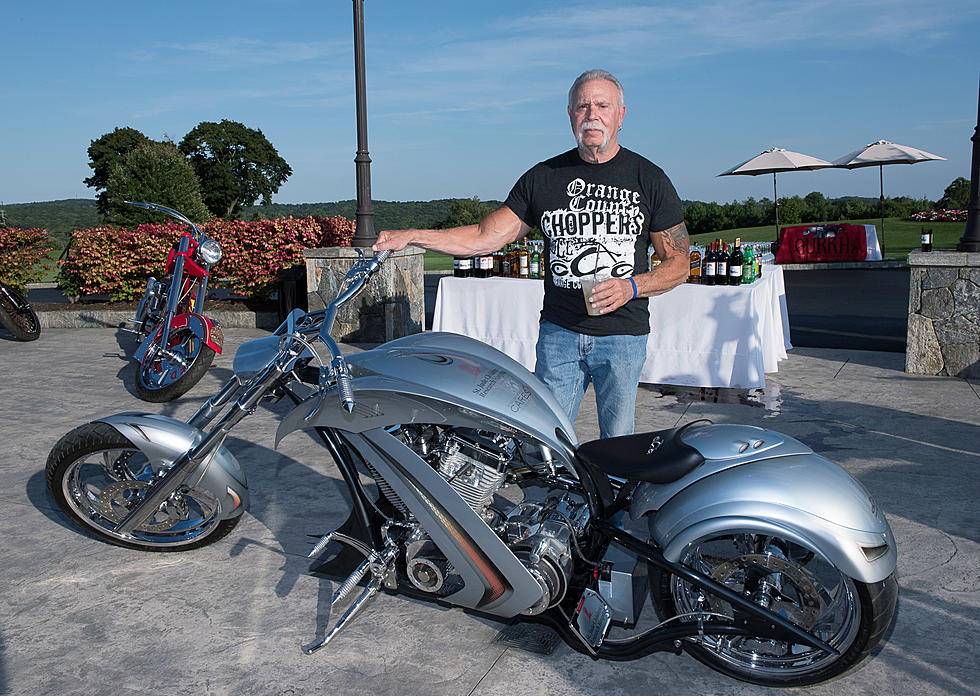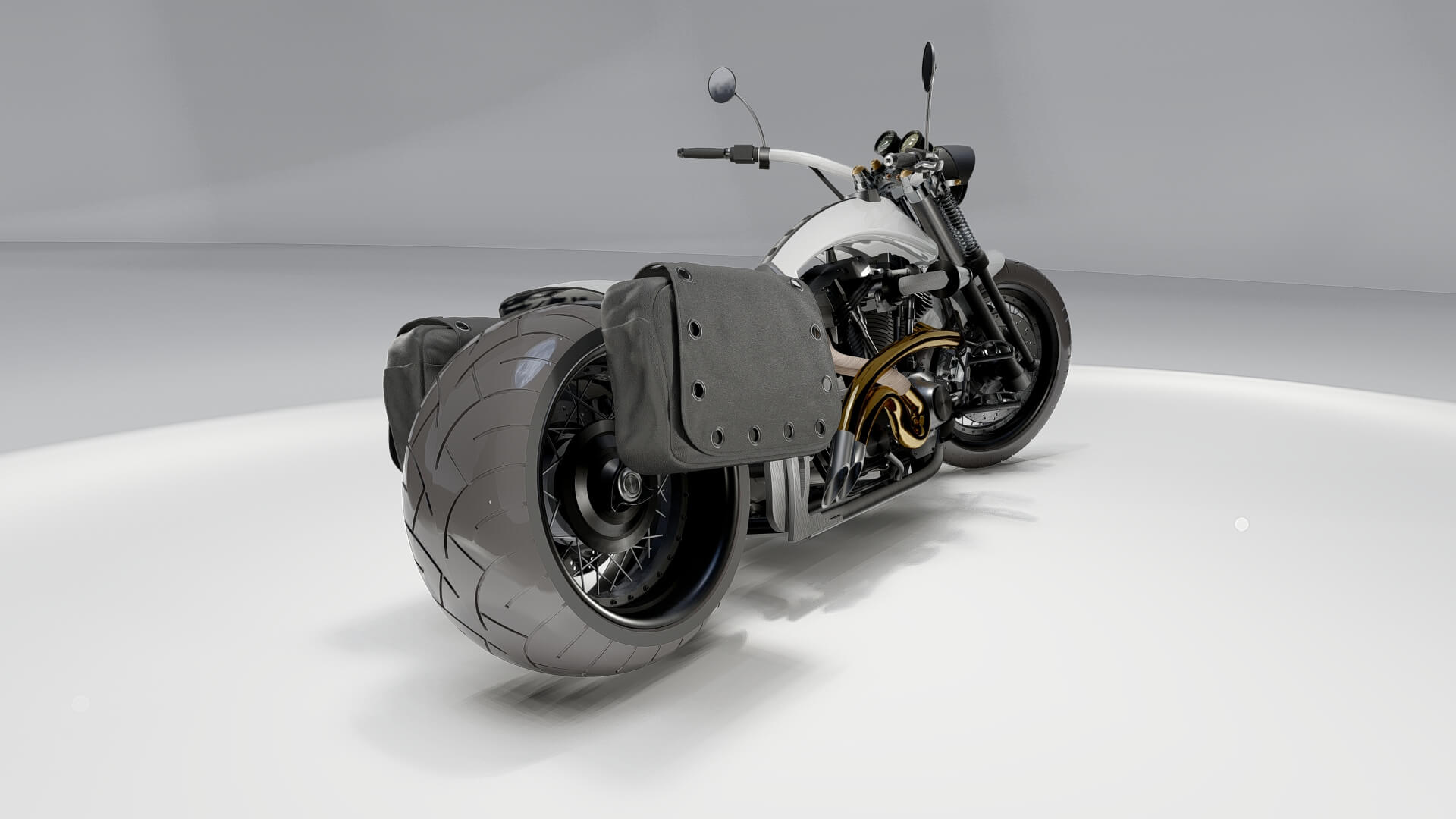
There’s something primal about a custom chopper—it’s not just a motorcycle; it’s a rolling manifesto of rebellion, a steel-and-rubber ode to individuality carved from the bones of industry. Unlike the mass-produced machines that hum in perfect, identical harmony, a chopper is a deliberate defiance of convention, a two-wheeled sculpture where every weld, every curve, every exposed engine component tells a story of passion over pragmatism. But here’s the rub: that story comes with a price tag, often one that stretches the limits of imagination. Negotiating the cost of a custom chopper isn’t just a transaction; it’s a dance between dream and reality, where the buyer must wield both charm and cunning to secure a fair deal without crushing the soul of the machine.
The Art of the Ride: Understanding What You’re Really Buying
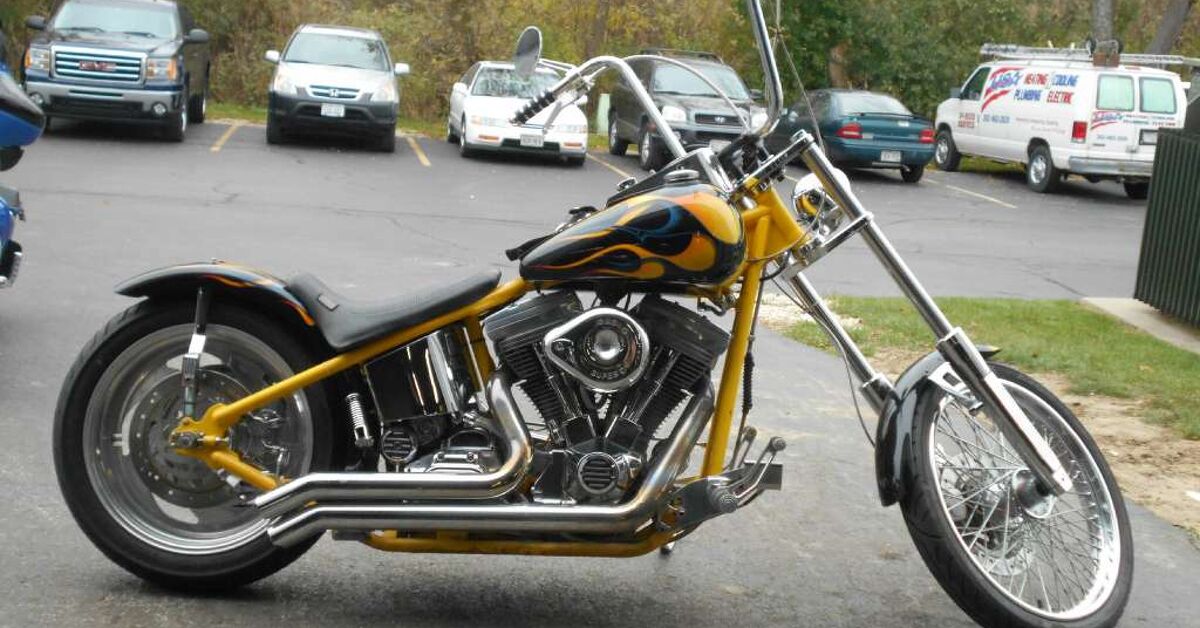
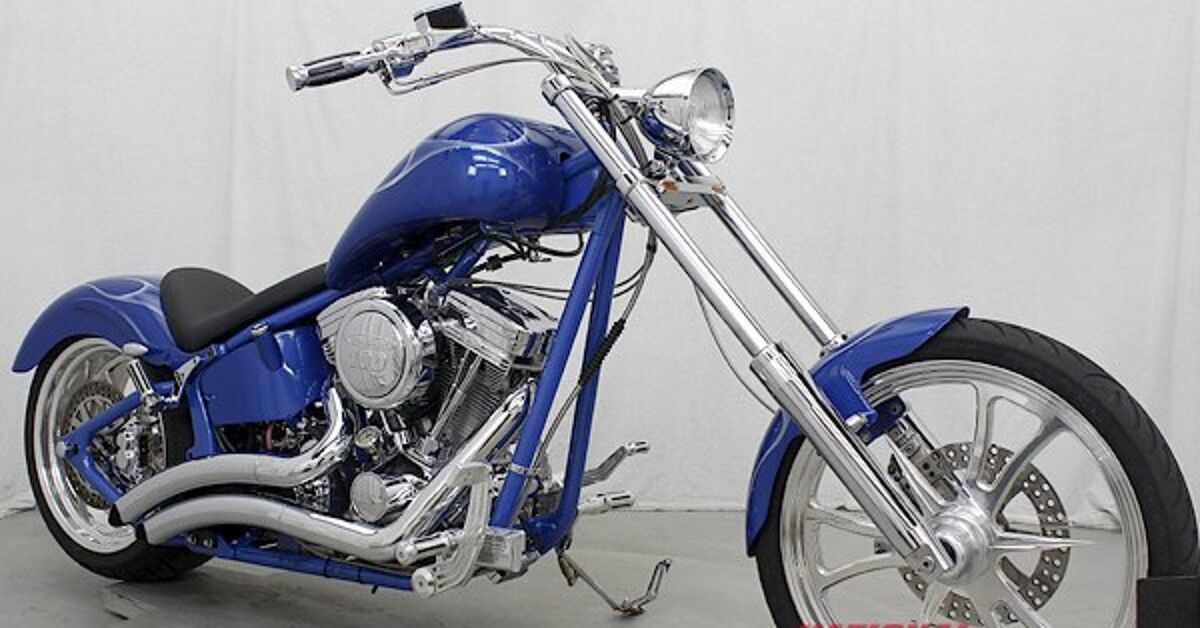
A custom chopper is more than steel and chrome—it’s a bespoke extension of its owner’s spirit. Before you even think about haggling, you must understand what you’re bargaining for. Is it a bobber, stripped-down and raw, where every ounce of excess has been purged like a sinner’s guilt? Or is it a dragon-chopper, a monstrous beast of a machine with ape-hanger handlebars that scrape the heavens and a frame so elongated it defies physics? The labor involved isn’t just mechanical; it’s artistic. A master builder doesn’t just assemble parts—they sculpt, they refine, they coax life from inert metal. That labor, that artistry, is what you’re paying for. A $20,000 chopper might have $5,000 in parts and $15,000 in sweat equity. Recognizing that value is the first step in negotiating with respect.
Then there’s the soul factor. A chopper isn’t just a vehicle; it’s a rolling conversation starter, a magnet for attention wherever it roars into view. The attention to detail—the hand-painted flames, the custom leather seat stitched with care, the exhaust that growls like a waking beast—all of it contributes to a motorcycle that doesn’t just transport you, but elevates you. When you negotiate, you’re not just haggling over a price; you’re deciding whether that elevation is worth the cost.

The Psychology of the Seller: Reading Between the Lines
Every chopper has a story, and every seller is a character in that story. Some are sentimentalists, clinging to their creation like a parent to a newborn. Others are opportunists, seeing dollar signs in every gleam of chrome. The key to negotiation lies in deciphering which type you’re dealing with. A sentimental seller might be willing to part with their machine for less if they sense you truly appreciate its craftsmanship. An opportunist, however, will hold firm unless you can find a chink in their armor—perhaps a flaw they’ve overlooked, or a market shift that makes their asking price unsustainable.
Watch for tells. Does the seller linger on the motorcycle’s history, recounting the late nights spent welding or the thrill of the first ride? That’s a sign of emotional attachment. Do they mention other offers or the cost of their next project? That’s a sign of pragmatism. The best negotiators don’t just listen to words; they read the subtext. A seller who boasts about the bike’s “one-of-a-kind” status might be more flexible if you frame your offer as a way to preserve its uniqueness in capable hands.
And then there’s the time factor. A chopper sitting in a garage for months is like a forgotten novel—its value depreciates the longer it’s ignored. If the seller is motivated by space, by the need to clear room for a new project, or by financial pressure, that’s your opening. But tread carefully. A seller who’s in a rush to sell might also be in a rush to regret it, and no amount of haggling is worth a deal that leaves both parties bitter.

The Dance of the Numbers: Strategies for the Savvy Buyer
Negotiation is a ballet, not a brawl. The goal isn’t to dominate but to collaborate—to find a price that leaves both parties satisfied, even if one is more satisfied than the other. Start by anchoring the conversation. If the seller asks $25,000, counter with $18,000. Not because you expect to pay that, but because it sets the tone. The first offer is a signal, a way to gauge the seller’s flexibility without boxing yourself into a corner.
Then, pivot to value dissection. Break down the price into its components: parts, labor, custom work, and the intangible “cool factor.” If the seller claims the bike is worth $22,000, ask what justifies that number. Is it the $8,000 engine? The $5,000 custom paint job? The $3,000 in labor? If any of these seem inflated, point it out. A seller who’s confident in their pricing will have answers. One who’s bluffing might fold.
Another tactic is the silent treatment. After making an offer, stay quiet. Let the silence linger. People hate awkward pauses, and in negotiation, silence is power. The seller may feel compelled to fill the void with a concession. But use this sparingly—overdo it, and you risk coming across as dismissive or manipulative.
Finally, consider the non-monetary leverage. Can you offer to pay in cash, avoiding the seller’s bank fees? Can you take the bike as-is, saving them the hassle of listing it elsewhere? Can you promise to give the motorcycle a good home, ensuring it won’t end up in a scrapyard? Sometimes, the most persuasive argument isn’t about price—it’s about convenience.
The Test Drive: Where Reality Meets Desire
A chopper isn’t just a purchase; it’s a commitment. Before you negotiate, you must ride it. Not just around the block, but until the engine’s growl becomes familiar, until the weight of the machine becomes an extension of your body. A test drive isn’t just about performance—it’s about connection. Does the bike respond to you like a trusted partner, or does it feel like a reluctant stranger? A chopper that doesn’t inspire confidence on the road is a chopper that’s not worth haggling over.
During the ride, pay attention to the details. Are there rattles that shouldn’t be there? Does the suspension feel too stiff, or the brakes too mushy? These aren’t just mechanical flaws; they’re leverage points. If the bike isn’t in perfect condition, use it as a reason to negotiate down. But be honest with yourself—some imperfections are part of the charm. A scratch here, a scuff there—these are the battle scars of a machine that’s lived, not just existed.
And then there’s the emotional test. How does the bike make you feel? Does it quicken your pulse when you twist the throttle? Does it make you want to ride forever, just to stay in its presence? If the answer is yes, then you’re already halfway to a deal. The best negotiators don’t just buy motorcycles—they fall in love with them. And love, as they say, is blind to price.
The Final Ride: Closing the Deal Without Selling Your Soul
Negotiation isn’t about winning; it’s about finding a meeting point where both parties walk away feeling like they’ve gained something. The best deals happen when the buyer respects the seller’s work and the seller respects the buyer’s passion. If you’ve done your homework—understood the bike’s value, read the seller’s motivations, and tested the machine’s mettle—then you’re in a strong position to close the deal.
When the time comes, be decisive but not reckless. If the seller accepts your final offer, shake on it. If they counter, decide quickly whether you’re willing to meet them halfway. And if the deal falls through? Don’t despair. The right chopper will find you when the time is right. The open road is littered with missed opportunities, but it’s also paved with second chances.
In the end, negotiating the price of a custom chopper is about more than money. It’s about preserving the magic of the machine. It’s about ensuring that the next rider who takes the wheel feels the same thrill, the same awe, that you did the first time you saw it. And if you do it right, you won’t just own a motorcycle—you’ll own a piece of art, a rolling testament to the fact that sometimes, the best things in life aren’t just bought; they’re earned.