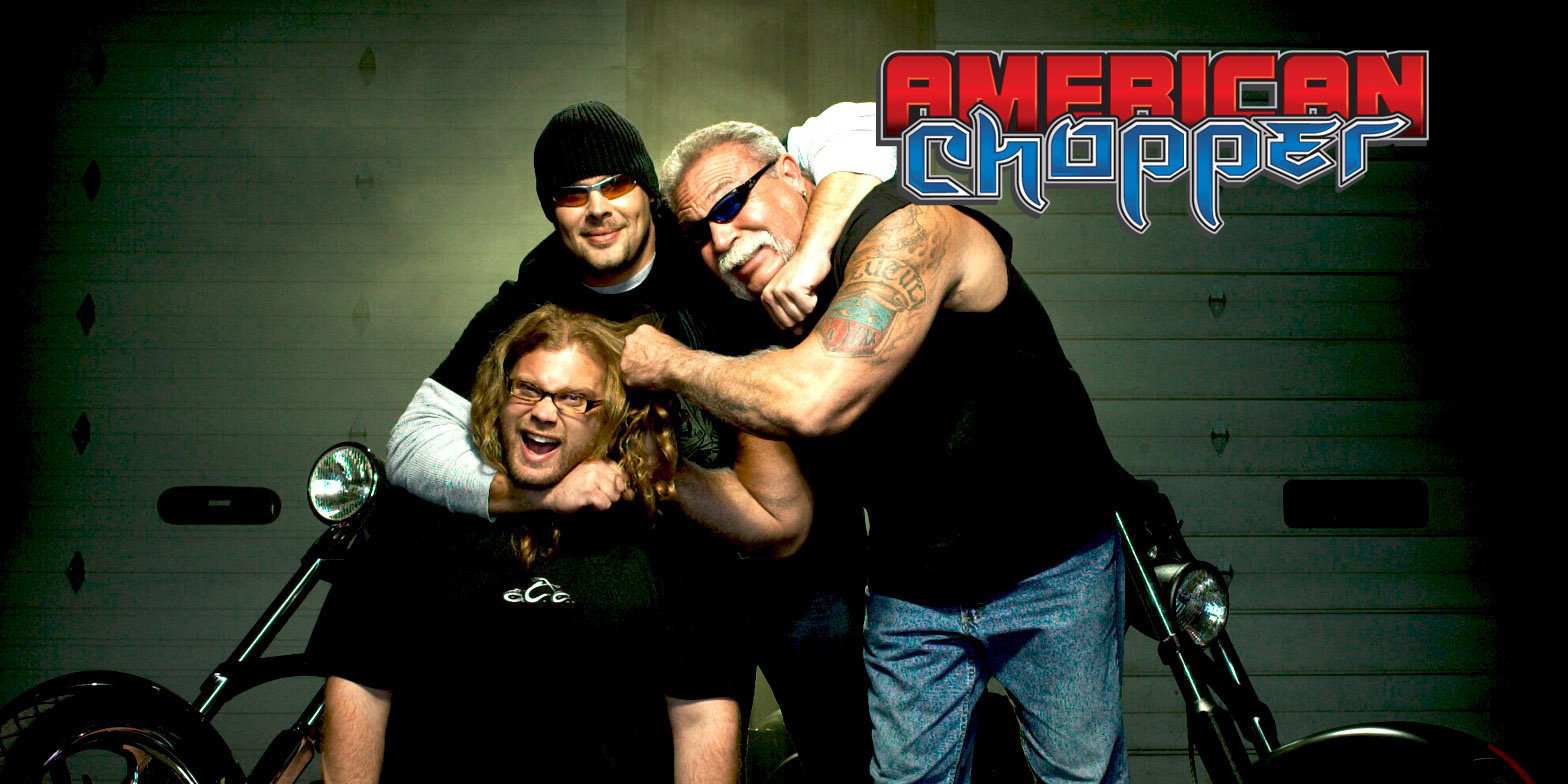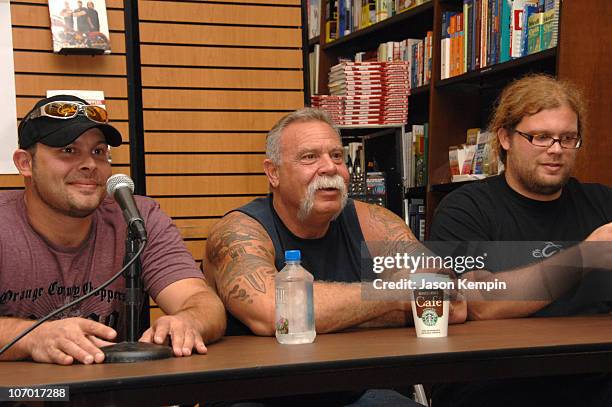
The Teutul family mansion isn’t just another sprawling estate lost in the annals of celebrity real estate—it’s a living testament to ambition, excess, and the fragile boundaries between public spectacle and private sanctuary. Nestled in the rolling hills of Orange County, New York, this architectural behemoth has long been a magnet for curiosity, speculation, and more than a few raised eyebrows. What happened to the Teutul family mansion? The answer isn’t just a tale of bricks and mortar; it’s a narrative of legacy, litigation, and the quiet erosion of a once-unshakable empire.
The Grand Vision: From Garage to Gilded Palace
It began not with blueprints, but with grease-stained hands and a dream. Paul Teutul Sr., the co-founder of Orange County Choppers (OCC), didn’t just build motorcycles—he built a brand, a lifestyle, and eventually, a mansion that mirrored the scale of his ambition. The original estate, completed in the early 2000s, was a baroque fusion of Tuscan villa and industrial chic, complete with a 12,000-square-foot main house, a 5,000-square-foot garage for his motorcycle collection, and enough marble to make Caesar blush. The design wasn’t just opulent; it was a statement—a physical manifestation of the Teutul ethos: bigger, louder, and unapologetically Teutul.
Neighbors recall the mansion’s construction as a spectacle in itself. Trucks rumbled through the quiet streets of Montgomery, their cargoes of limestone and mahogany drawing onlookers like moths to a flame. The estate became a local landmark, a symbol of upward mobility for a family that had clawed its way from modest beginnings in Yonkers. But with grandeur came scrutiny. Was this a home, or a monument to excess? The answer, as it turned out, was both—and neither.
The Cracks Beneath the Marble: Legal Battles and Family Fractures
Behind the wrought-iron gates and manicured gardens, the Teutul mansion was becoming a battleground—not just for space, but for control. The first major fissure appeared in 2008, when Paul Teutul Jr. filed a lawsuit against his father and OCC, alleging breach of contract and emotional distress. The lawsuit, which dragged on for years, revealed a family riven by ambition, resentment, and the crushing weight of expectation. The mansion, once a symbol of unity, became a pawn in a high-stakes game of power and inheritance.
Court documents painted a picture of a family at war with itself. Paul Sr. accused his son of undermining the business, while Paul Jr. claimed he was sidelined despite his integral role in OCC’s success. The mansion, with its sprawling wings and private theaters, became a silent witness to these conflicts. Security footage from the era—though never officially released—allegedly showed tense confrontations in the grand foyer, where the weight of legacy hung heavier than the crystal chandeliers. By 2010, the lawsuit was settled out of court, but the damage was done. The mansion, once a beacon of familial pride, now stood as a monument to fractured dreams.
The Slow Descent: From Showpiece to Shadow
As the legal dust settled, the Teutul mansion entered a new phase—one of neglect and quiet decay. The once-pristine grounds became overgrown, the marble floors marred by scuffs, and the garage, once a shrine to custom motorcycles, now housed only echoes. The family’s focus shifted elsewhere: Paul Sr. launched a new business, Paul Jr. pursued solo ventures, and the mansion, now a financial albatross, was left to the elements. Neighbors reported seeing fewer and fewer cars in the driveway, the grand parties replaced by an eerie stillness.
Speculation ran rampant. Was the mansion too expensive to maintain? Had the family simply outgrown it? Or was it a deliberate choice—a rejection of the past in favor of a leaner, meaner future? The truth, as with most things Teutul, was a mix of all three. The mansion had become a relic, a physical reminder of a time when the family’s star was still rising. But stars, as they say, are meant to burn bright and then fade—or in this case, perhaps, to be repurposed.
The Modern Era: A Mansion in Limbo
Today, the Teutul family mansion exists in a state of liminality. It’s neither fully abandoned nor fully inhabited, a ghost of a life once lived in Technicolor. Real estate listings from the past decade have hinted at its potential—luxury renovations, private event spaces, even a boutique hotel—but none have come to fruition. The mansion remains in the family’s possession, a silent testament to what was and what could have been. Tours, when they happen, are rare and tightly controlled, adding to the aura of mystery.
Architecturally, the mansion is a marvel—a blend of Mediterranean revival and industrial grit, with touches of Teutul’s signature flair. The grand staircase, the hand-carved woodwork, the infinity pool overlooking the Hudson Valley: each element tells a story. But the most compelling narrative isn’t in the design; it’s in the silence. What does it say about a family when their greatest monument is left to gather dust? Is it a sign of resilience, or of retreat?
The Public’s Fascination: Why We Can’t Look Away
There’s something irresistibly tragic about the Teutul mansion’s story. It’s the tale of Icarus, if Icarus had built his wings from steel and chrome. We’re drawn to it not just because it’s grand, but because it’s a cautionary tale wrapped in marble and mahogany. The mansion embodies the American dream—rags to riches, sweat to success—only to reveal the cracks beneath the surface. It’s a reminder that even the most dazzling facades can crumble when the foundation is weak.
Social media has only amplified this fascination. Memes, conspiracy theories, and “true crime”-style deep dives into the mansion’s history proliferate online. Was there a secret tunnel? Did the family hide assets there? The questions are endless, and the answers, frustratingly, are not. The mansion, in its silence, has become a Rorschach test for our own obsessions—with fame, with family, with the idea that somewhere, behind those gates, a story is still unfolding.
The Future: What Lies Ahead for the Teutul Estate?
The mansion’s fate remains uncertain, but one thing is clear: it will not fade quietly into obscurity. Whether it’s sold, repurposed, or demolished, the Teutul family mansion will leave a mark. Perhaps it will become a museum, a shrine to the golden age of reality TV and custom motorcycles. Perhaps it will be subdivided into luxury condos, its grandeur diluted by modern tastes. Or perhaps, in a final act of defiance, the family will reclaim it as their own, transforming it into something new and unexpected.
One thing is certain: the mansion’s story is not over. It’s a narrative that spans decades, filled with triumph, tragedy, and everything in between. And as long as there are questions left unanswered, the Teutul family mansion will remain a symbol—not just of a family’s rise and fall, but of our own relentless curiosity about the lives of the rich and famous.