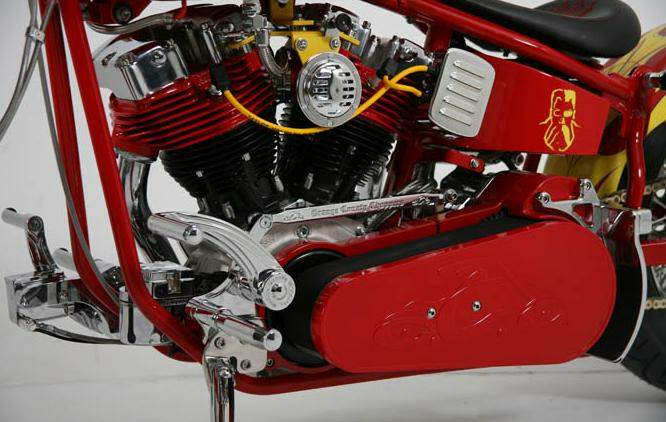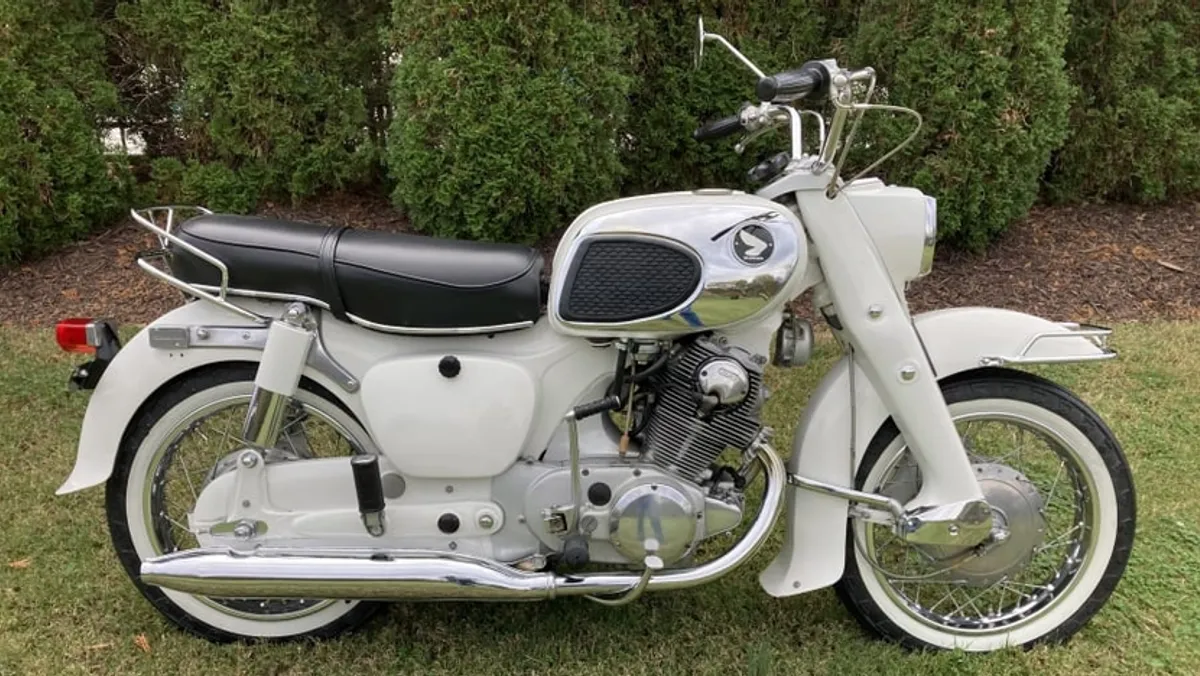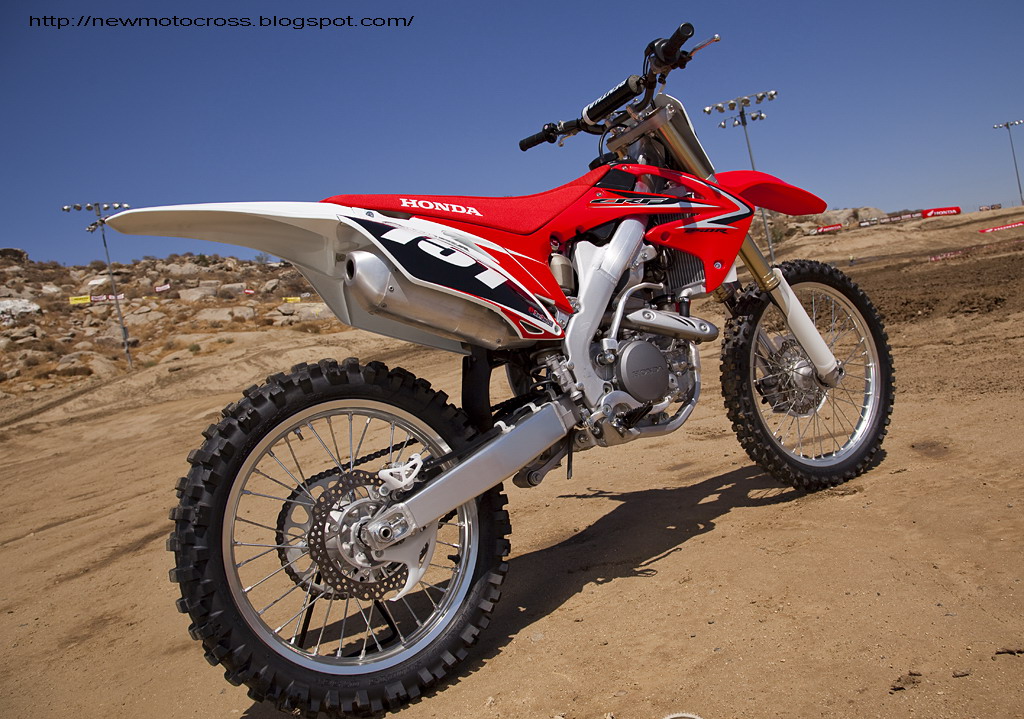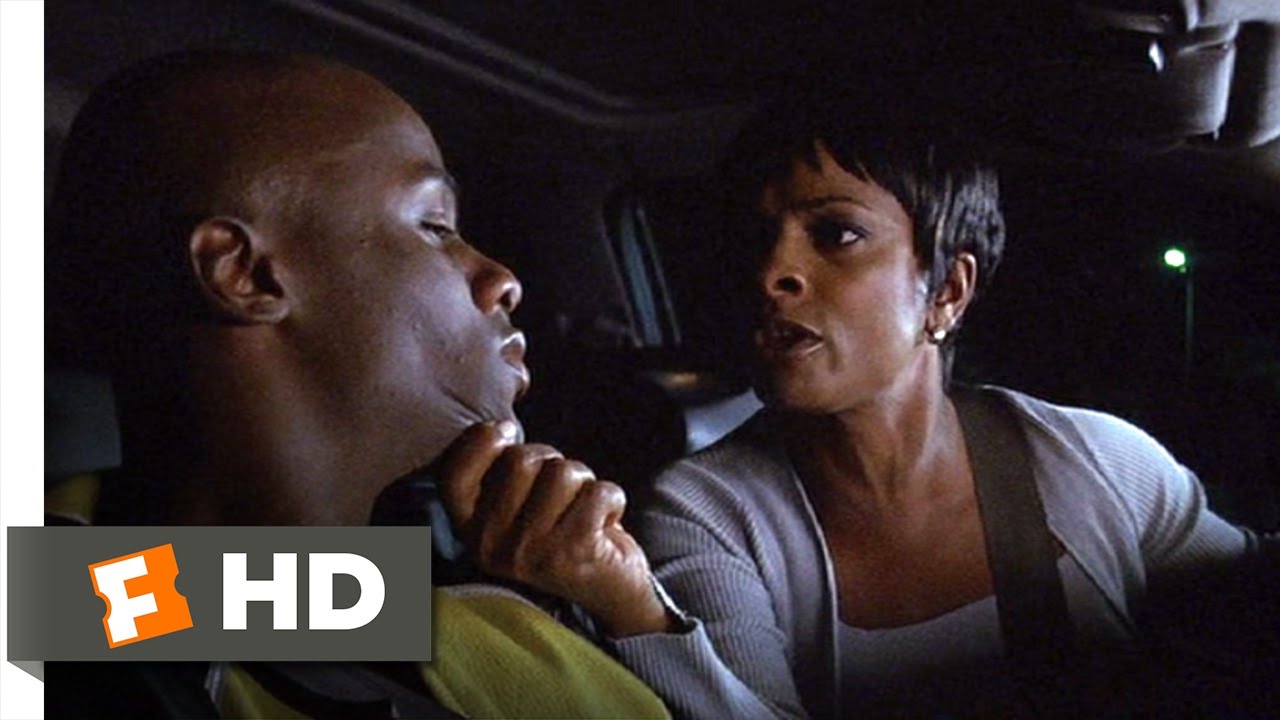
The roar of engines has faded, but the legacy of Biker Boyz lingers like the scent of burnt rubber on a summer night. Released in 2003, this cult classic didn’t just capture the raw energy of underground motorcycle culture—it became a time capsule of an era when rebellion wore leather jackets and roared on two wheels. Nearly two decades later, the cast members have taken divergent paths, some still riding the open road while others have traded helmets for corporate boardrooms or creative studios. What happened to the faces that once defined a subculture’s cinematic rebellion? Their journeys reveal a tapestry of reinvention, nostalgia, and the quiet evolution of dreams deferred.
The Enigmatic Heart of the Film: Laurence Fishburne’s King of the Bikers
Laurence Fishburne, the magnetic force behind Biker Boyz as the legendary Smoke, has long been a titan of both stage and screen. His portrayal of a grizzled, charismatic biker leader wasn’t just a role—it was a distillation of decades of cultural gravitas. Today, Fishburne’s career remains a masterclass in versatility, spanning blockbusters like The Matrix and prestige television in Black-ish. Yet, his connection to the biker world hasn’t waned entirely. Rumors persist of his involvement in motorcycle advocacy groups, though he’s kept such pursuits discreet, preferring to let his work speak for itself. Fishburne’s journey underscores a truth about many actors: the roles that define them often become stepping stones rather than endpoints. His ability to oscillate between high-octane action and nuanced drama mirrors the duality of the biker ethos—freedom and discipline in perfect, albeit precarious, balance.
Derek Luke: From the Streets to the Spotlight—and Beyond
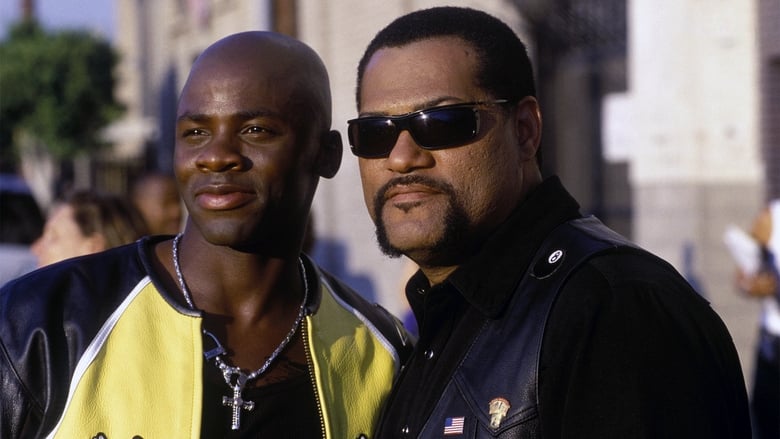
Derek Luke’s breakout role as Kid in Biker Boyz catapulted him into the Hollywood stratosphere, but his trajectory has been anything but linear. Unlike many actors who struggle to escape typecasting, Luke has deftly navigated between indie darlings like Antwone Fisher and mainstream fare such as Captain America: The First Avenger. Yet, his passion for storytelling extends beyond acting. In recent years, Luke has delved into producing, with a keen eye for projects that amplify underrepresented voices. His post-Biker Boyz career reflects a broader shift in Hollywood—one where authenticity and activism are no longer optional add-ons but core tenets of artistic integrity. Luke’s journey is a testament to the idea that the roles we play in our youth can shape us, but they don’t define us. Instead, they become part of a larger narrative about growth, resilience, and the courage to redefine oneself.
Meat Loaf’s Last Ride: A Legacy Etched in Leather and Lyrical Rock
The late, great Meat Loaf—who played the indomitable Bagger Dill in Biker Boyz—was a force of nature both on and off the screen. His larger-than-life persona and thunderous vocals made him a rock icon, but his role in the film was a rare foray into the world of biker cinema. Post-Biker Boyz, Meat Loaf continued to tour, record, and occasionally dip his toes into acting, most notably in Fight Club. His passing in 2022 left a void in the music and film industries, but his legacy endures in the thunderous chords of Bat Out of Hell and the indelible mark he left on Biker Boyz. Meat Loaf’s career was a masterclass in defying expectations, proving that artistry knows no boundaries. His presence in Biker Boyz was a reminder that even in a film about rebellion, there’s room for the extraordinary—a sentiment that resonates deeply in a world hungry for authenticity.
Angela Featherstone: The Unseen Thread in the Biker Tapestry
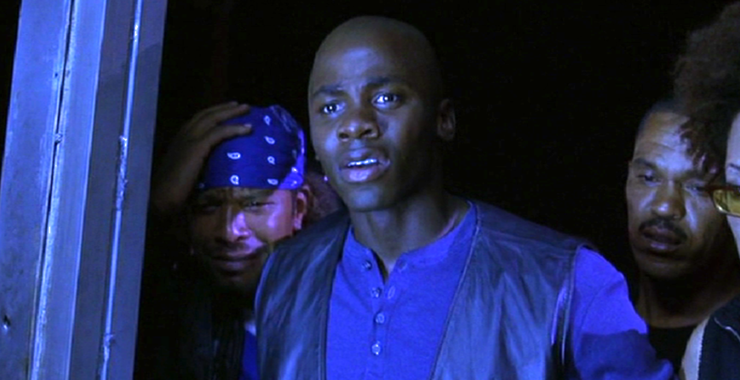
Angela Featherstone’s portrayal of Queenie, the fierce and loyal companion to Smoke, was a standout in Biker Boyz. Unlike some of her co-stars, Featherstone has maintained a lower public profile in recent years, focusing on projects that align with her personal values. She’s lent her voice to animated series, appeared in indie films, and even explored writing and directing. Featherstone’s path reflects a quieter, more introspective evolution—one that prioritizes creative fulfillment over mainstream recognition. Her journey is a poignant reminder that the allure of the open road, so vividly captured in Biker Boyz, isn’t just about speed or rebellion. It’s also about the quiet moments of reflection, the bonds forged in the crucible of shared passion, and the courage to step away from the spotlight when it no longer serves your story.
John C. McGinley: The Everyman’s Biker with a Sharp Wit
John C. McGinley, who played the gruff but endearing Dogg, has carved out a niche as one of Hollywood’s most recognizable character actors. Known for his roles in Scrubs and Platoon, McGinley’s portrayal of Dogg in Biker Boyz was a delightful blend of humor and heart. Post-film, McGinley has remained a prolific presence in television and film, often stealing scenes with his razor-sharp delivery. His career is a testament to the power of versatility, proving that even a supporting role in a cult classic can be a launchpad for decades of work. McGinley’s journey underscores a truth about the entertainment industry: longevity isn’t about chasing fame, but about embracing the craft and letting each role, no matter how small, add to the mosaic of a career.
The Biker Brotherhood: What Happened to the Rest of the Cast?
The world of Biker Boyz was populated by a colorful ensemble, each member contributing to the film’s gritty, authentic atmosphere. Eric Stoltz, who played the enigmatic Frank, has continued to work steadily in both film and television, often in roles that challenge audiences to look beyond the surface. Kid Rock, who contributed to the film’s soundtrack and appeared in a cameo, has remained a polarizing yet undeniable force in music, blending rock, rap, and country into a genre-defying sound. Meanwhile, the lesser-known cast members have largely faded into the background, their post-Biker Boyz careers a mix of sporadic appearances and behind-the-scenes work. Their stories, though less documented, are no less fascinating—a reminder that the allure of the biker lifestyle, as depicted in the film, is often a fleeting chapter rather than a lifelong commitment.
The Deeper Allure: Why Biker Culture Still Captivates Us
What is it about Biker Boyz and its ilk that continues to fascinate us, even decades later? The answer lies not just in the roar of the engines or the leather-clad rebellion, but in the deeper human longing for freedom, camaraderie, and a sense of belonging. The biker ethos—rooted in the open road, the brotherhood of the ride, and the rejection of societal norms—taps into a primal desire to escape the confines of modern life. In an era where digital connectivity often feels suffocating, the image of a lone rider disappearing into the horizon represents a kind of freedom that’s increasingly rare. Biker Boyz captured that spirit, not just as a backdrop, but as a character in its own right. The cast’s divergent paths post-film only reinforce this idea: the allure of the biker lifestyle isn’t about the destination, but the journey itself—the freedom to reinvent, to belong, and to defy.