Ever revved the throttle of your chopper, only for it to sputter and die the moment you ease off? There’s nothing quite like the frustration of a machine that refuses to idle gracefully—like a rebellious teenager refusing to come home at curfew. But before you throw your hands up in defeat, consider this: a chopper that dies at idle isn’t just a nuisance; it’s a riddle wrapped in a mystery, waiting to be solved. And the best part? You don’t need a degree in mechanical engineering to crack the code. Let’s dive into the heart of the beast and uncover the culprits behind this maddening behavior.
The Idle Conundrum: Why Does Your Chopper Rebel?
At the core of this issue lies the idle circuit—a delicate ballet of air and fuel that keeps your engine humming at a steady pace. When your chopper stumbles or stalls at idle, it’s often a sign that this ballet has turned into a chaotic mosh pit. The most common offenders? A clogged idle jet, a sticky throttle stop screw, or a vacuum leak that’s letting precious air slip away like a thief in the night. But here’s the kicker: these problems don’t announce themselves with a neon sign. They lurk in the shadows, waiting for the perfect moment to sabotage your ride.
Imagine this: you’re cruising down the boulevard, the wind in your face, when suddenly, your chopper decides it’s had enough. The engine sputters, the RPMs plummet, and you’re left staring at the horizon, wondering what went wrong. It’s not just inconvenient—it’s a safety hazard. So, what’s the game plan? Let’s roll up our sleeves and get to work.

Carburetor Quandaries: The Silent Saboteur
The carburetor is the heart of your chopper’s idle system, and when it’s not performing, neither is your ride. Over time, varnish and debris can clog the idle jet, starving the engine of the fuel it needs to keep running. But here’s the twist: not all clogs are created equal. A partially blocked jet might cause a rough idle, while a completely clogged one could leave you stranded at the next red light. And let’s not forget the idle mixture screw—a tiny but mighty component that controls the air-fuel ratio. If it’s out of adjustment, your chopper might idle like a chainsaw on steroids or cough like a smoker at a marathon.
So, how do you diagnose this silent saboteur? Start by listening to your chopper’s idle. Is it rough, uneven, or downright hostile? If so, it’s time to give the carburetor some TLC. Remove the air filter, spray a bit of carb cleaner into the throttle body, and see if that smooths things out. If not, you might need to dive deeper—disassembling the carburetor to clean the jets and passages. It’s a dirty job, but someone’s got to do it.
Vacuum Leaks: The Invisible Thief
Picture this: your chopper’s engine is a finely tuned orchestra, with each component playing its part in harmony. Now, imagine someone sneaking in and poking holes in the sheet music. That’s what a vacuum leak does—it disrupts the delicate balance of air and fuel, leaving your engine confused and your idle in shambles. Vacuum leaks can originate from cracked hoses, loose connections, or even a faulty intake manifold gasket. And the worst part? They’re often invisible to the naked eye, lurking like a stealthy ninja.
So, how do you catch this phantom menace? Start by listening for a hissing sound near the carburetor or intake manifold. If you hear one, it’s a dead giveaway. Next, grab a can of carb cleaner and spray it around potential leak points. If the idle smooths out or the RPMs change, you’ve found your culprit. Replace the faulty hose or gasket, and your chopper should return to its former glory. But be warned: vacuum leaks are sneaky. They might disappear for a while, only to reappear when you least expect it.
The Throttle Stop Screw: A Tiny Titan with Big Responsibilities
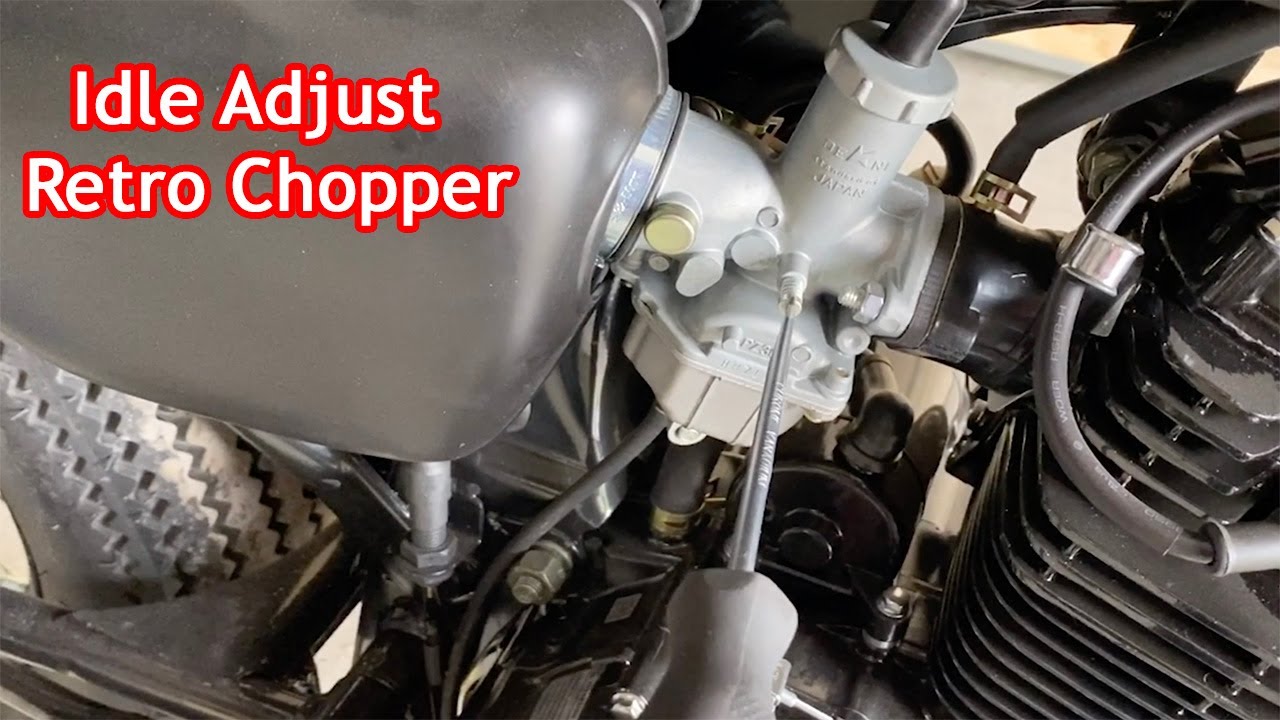
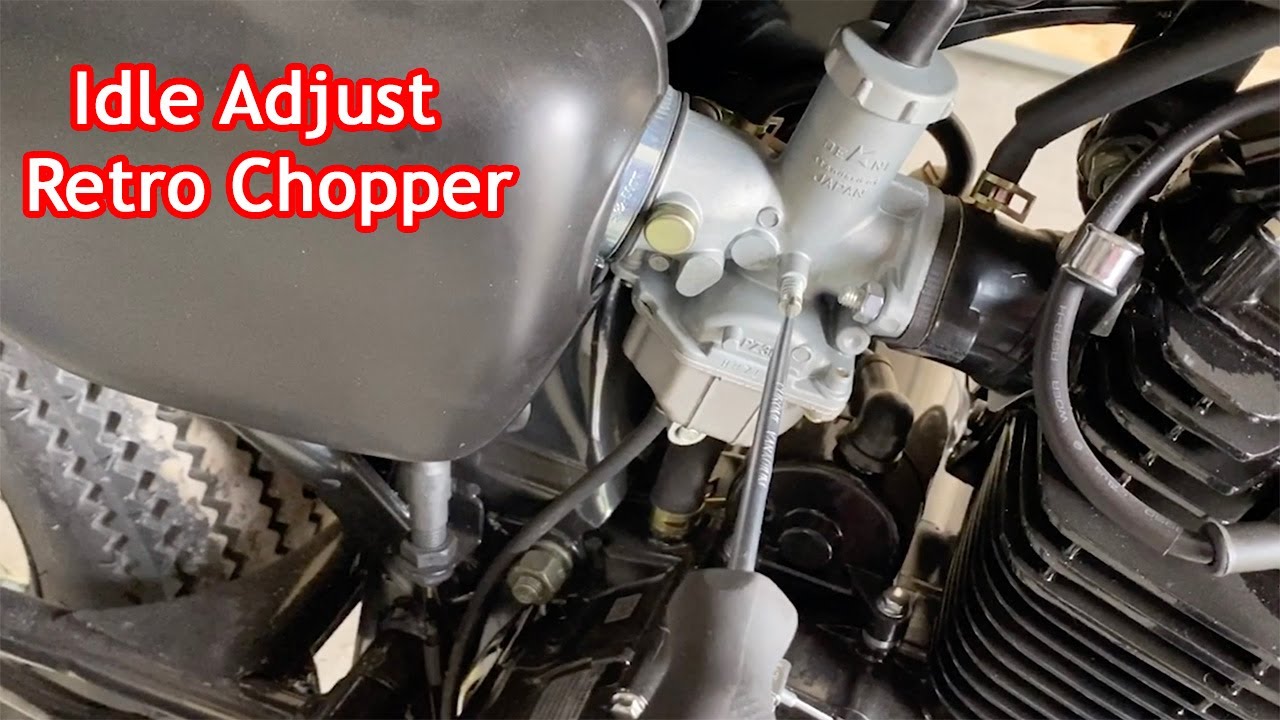
In the grand scheme of your chopper’s idle system, the throttle stop screw is the unsung hero. This tiny bolt determines how far the throttle plate can close, controlling the amount of air entering the engine at idle. If it’s too loose, your chopper might idle too high, revving like a racehorse at the starting gate. If it’s too tight, the engine could stall, leaving you stranded in the middle of nowhere. It’s a delicate balance, and one wrong turn can send your idle into a tailspin.
Adjusting the throttle stop screw is a bit like tuning a guitar—it takes patience, precision, and a keen ear. Start by warming up the engine and letting it idle. Then, slowly turn the screw clockwise to lower the idle speed. Listen closely: if the engine stalls, you’ve gone too far. If it idles too high, keep turning. The goal is to find that sweet spot where the engine runs smoothly without lurching or dying. And remember, small adjustments go a long way. Don’t rush it—your chopper will thank you.
Fuel Delivery Fiascos: When the Flow Goes South
Your chopper’s engine is a hungry beast, and it demands a steady stream of fuel to keep running. If that flow is disrupted—whether by a clogged fuel filter, a faulty fuel pump, or old, stale gas—your idle will suffer the consequences. A chopper with a starved engine is like a marathon runner gasping for air: it’s not going to perform well, and it’s certainly not going to idle gracefully.
So, how do you ensure your chopper’s fuel system is up to snuff? Start by checking the fuel filter. If it’s clogged, replace it. Next, inspect the fuel pump. If it’s weak or failing, your engine won’t get the fuel it needs to keep running. And don’t forget the fuel itself. Old gas can gum up the works, leaving deposits in the carburetor and fuel lines. If your gas has been sitting in the tank for months, it’s time for a fresh batch. Your chopper deserves better than stale, oxidized fuel.
Ignition Interruptions: Sparks That Fizzle
Last but not least, let’s talk about the spark—the fiery heartbeat of your chopper’s engine. If your ignition system is misfiring or weak, your idle will suffer. A chopper with a sputtering spark is like a campfire struggling to stay lit: it’s frustrating, unreliable, and downright annoying. Common culprits include fouled spark plugs, a faulty ignition coil, or a worn-out distributor cap. And the worst part? These issues can be tricky to diagnose, leaving you scratching your head in frustration.
So, how do you reignite the flame? Start by checking your spark plugs. If they’re fouled or worn out, replace them. Next, inspect the ignition coil. If it’s weak or failing, your engine won’t get the spark it needs to run smoothly. And don’t forget the wires. If they’re cracked or damaged, they can disrupt the flow of electricity, leaving your chopper gasping for life. A little TLC goes a long way when it comes to ignition systems.

There you have it—a comprehensive guide to troubleshooting a chopper that dies at idle. From carburetor conundrums to vacuum leaks and fuel delivery fiascos, we’ve covered the gamut of potential culprits. But remember, diagnosing and fixing idle issues isn’t just about technical know-how; it’s about patience, persistence, and a willingness to get your hands dirty. So, the next time your chopper rebels at idle, don’t throw in the towel. Roll up your sleeves, grab your tools, and get to work. Your ride—and your sanity—will thank you.