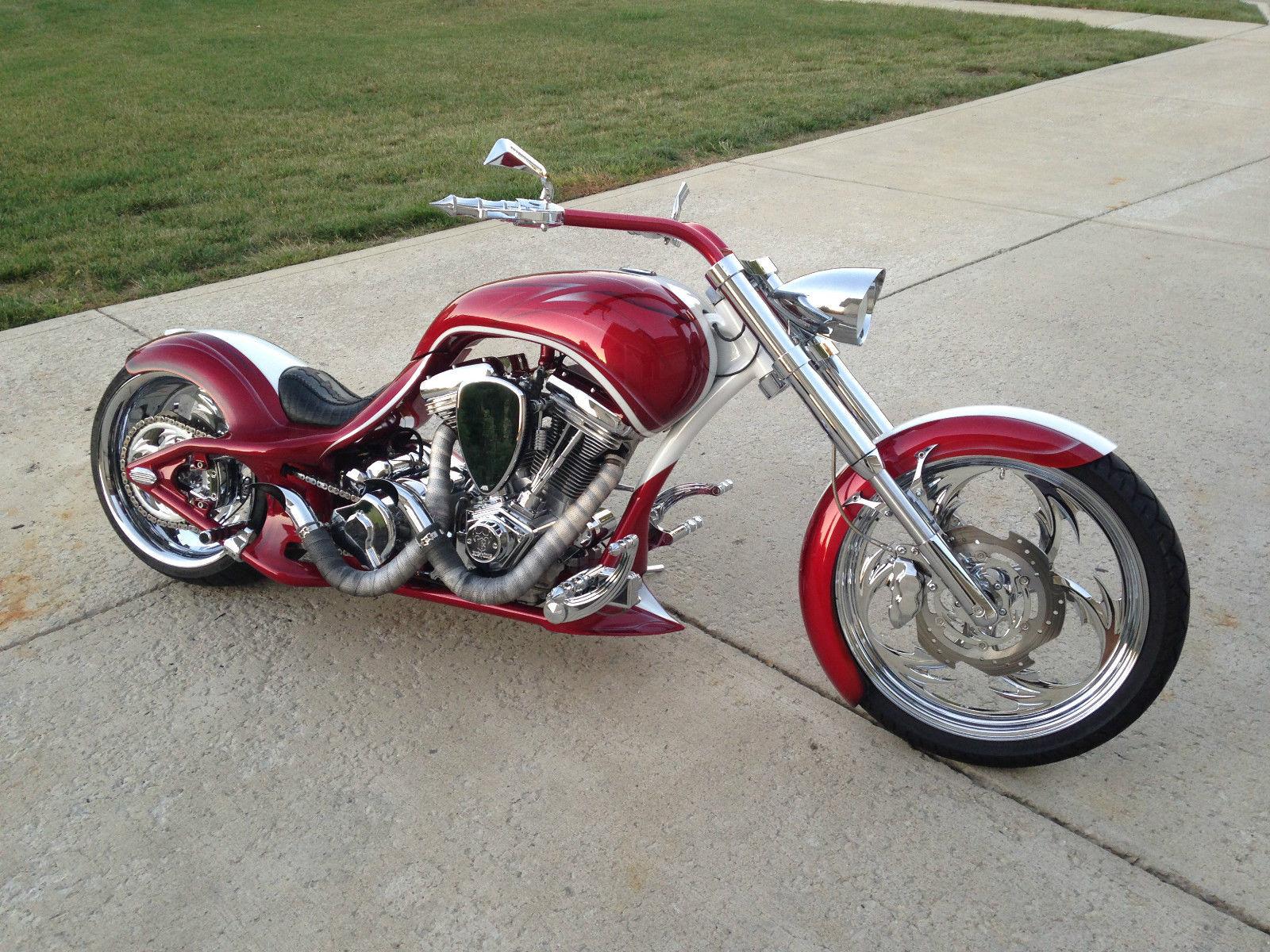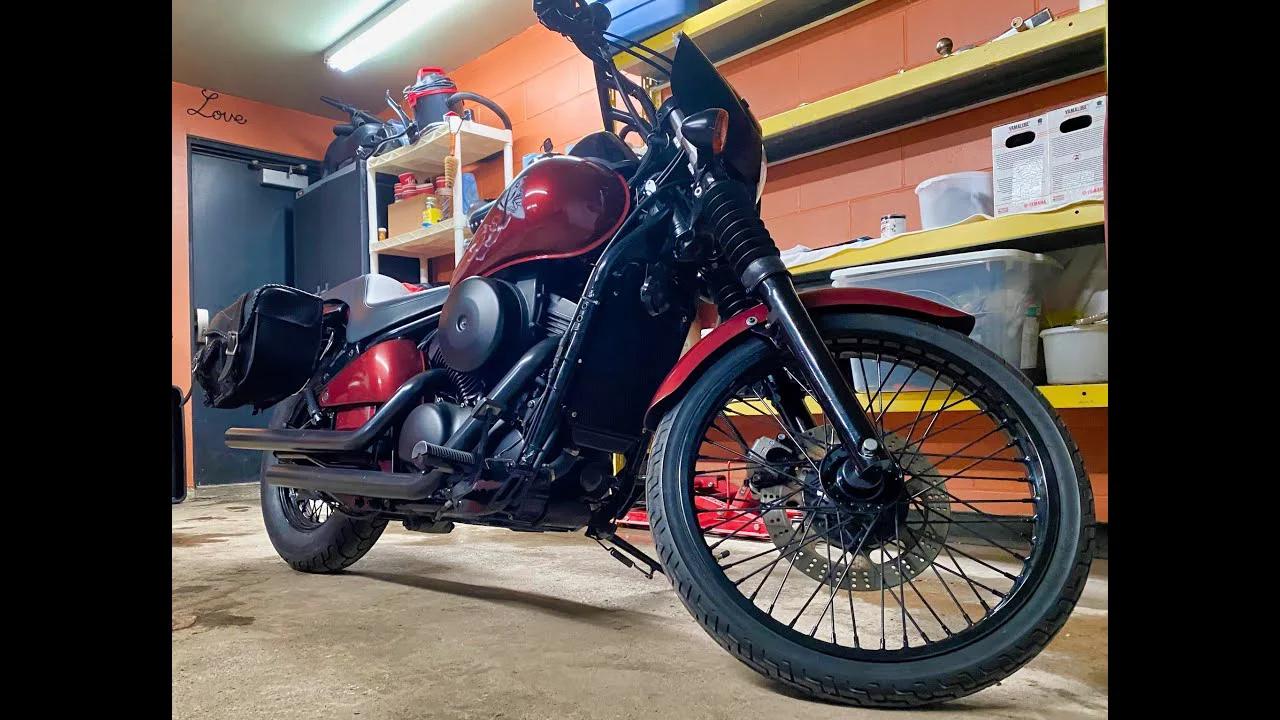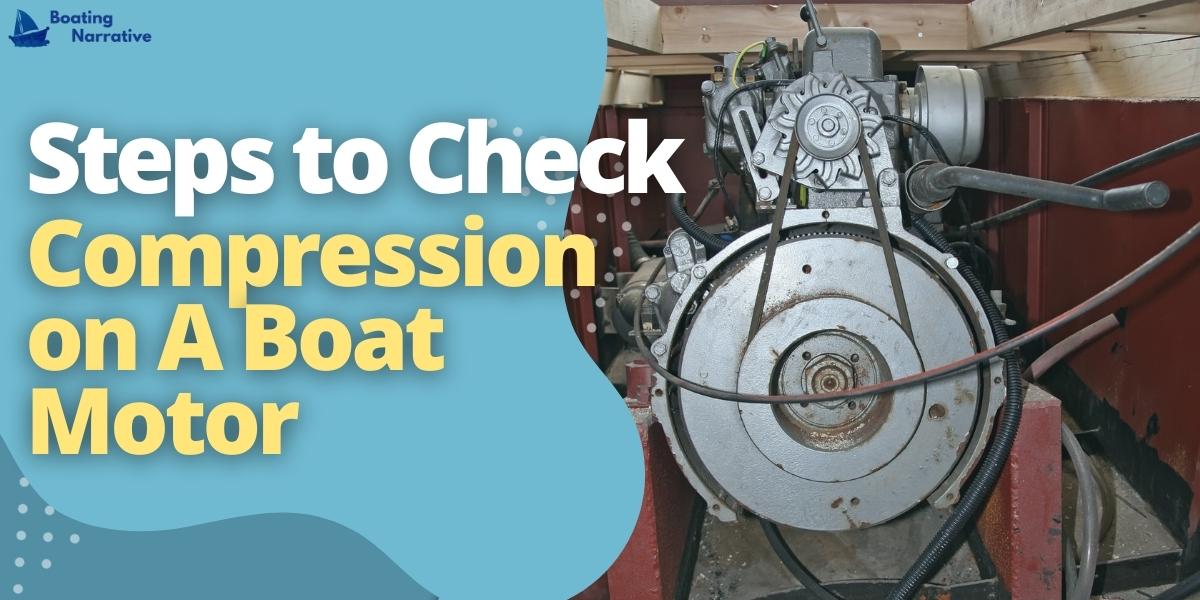
There’s something primal about a chopper motor—its raw, unfiltered heartbeat echoing through the garage like a drum solo in a cathedral of steel and oil. It’s not just an engine; it’s a beast of burden, a mechanical stallion that demands respect, attention, and, above all, a pulse that’s strong enough to roar down the open road. But how do you know if that pulse is strong? How do you peer into the mechanical soul of your chopper and ensure it’s not running on borrowed time? The answer lies in the compression check, a ritual as old as the internal combustion engine itself—a test that separates the riders from the wrench-turners, the legends from the also-rans.
The Symphony of Pistons: Why Compression is the Maestro of Your Chopper’s Heartbeat
Imagine your chopper’s engine as a grand orchestra. The pistons are the drummers, the crankshaft is the conductor, and the spark plugs are the lead violinists. Now, what happens if one of those drummers starts playing out of sync? The whole symphony descends into chaos. Compression is the measure of how tightly that orchestra plays together. It’s the pressure that builds in each cylinder as the piston compresses the air-fuel mixture before the spark ignites it. Too low, and your chopper will sputter like a deflating balloon. Too high, and you’re one spark away from a mechanical fireworks display you didn’t sign up for.
For a chopper, compression isn’t just about power—it’s about character. A well-compressed engine purrs with authority, its throttle response crisp as a fresh razor blade. A weak one wheezes like a smoker in a marathon. But here’s the kicker: compression isn’t just a number. It’s a story. A high compression reading might hint at a freshly rebuilt motor, a badge of honor for the rider who’s put in the hours. A low one? That’s a detective novel waiting to be solved—gasket leaks, worn rings, or a thirsty camshaft all leave their fingerprints on those precious psi readings.

Think of compression as the chopper’s lifeblood. Without it, the engine is a corpse. With it, it’s a roaring beast, ready to devour miles and leave rubber in its wake. But here’s where it gets interesting: compression isn’t just about brute force. It’s about balance. A chopper’s engine is a finely tuned instrument, and even a slight drop in compression across one cylinder can turn a smooth ride into a shaky, uneven nightmare. That’s why mastering the compression check isn’t just maintenance—it’s an art form, a way to commune with the mechanical spirit of your machine.
The Tools of the Trade: Gearing Up for the Ritual
Before you can diagnose your chopper’s health, you need the right tools. This isn’t a job for duct tape and hope. You’ll need a compression tester—a device as essential to a chopper rider as a helmet is to a stuntman. These testers come in two flavors: threaded and cone-seal. The threaded variety screws directly into the spark plug hole, forming an airtight seal, while the cone-seal variety presses against the hole, relying on a rubber gasket to do the job. For a chopper, where every ounce of weight matters, the threaded tester is often the preferred choice—it’s lighter, more precise, and less likely to slip mid-test.
You’ll also need a few other items to make the process smooth:
- A fully charged battery. Compression tests require the engine to turn over, and a weak battery will give you false readings faster than a politician dodges a question.
- A spark plug wrench. Because you can’t test compression with a spark plug in the way.
- A notebook and pen. Jot down those readings like a detective logging clues. Consistency is key.
- A friend (optional but helpful). Someone to turn the key while you focus on the tester. Teamwork makes the dream work.
And don’t forget safety gear. Gloves to protect your hands from hot surfaces, eye protection in case of a rogue spark, and a well-ventilated workspace. Compression testing isn’t dangerous, but it’s not a spa day either. Treat it with respect, and it’ll reward you with answers.

The beauty of this ritual is that it’s democratic. You don’t need a degree in mechanical engineering to perform a compression test. You just need patience, a steady hand, and a willingness to listen to what your chopper is telling you. And once you’ve got the tools in hand, the real magic begins.
The Dance of the Crankshaft: Step-by-Step Compression Testing
Now, let’s get to the heart of the matter. The compression test is a dance—a choreography of pistons, spark plugs, and the relentless turning of the crankshaft. Here’s how to do it right:
- Warm up the engine. A cold engine gives cold, unreliable readings. Fire it up and let it idle until it’s reached operating temperature. This ensures the pistons are expanding to their normal dimensions and the oil is flowing freely.
- Kill the engine and remove all spark plugs. This isn’t a test of the spark plugs’ endurance—it’s about removing any resistance so the engine can turn over smoothly. Use your spark plug wrench, and be gentle. These plugs have been through a lot.
- Disable the ignition system. You don’t want the engine to fire up mid-test. On most choppers, this means disconnecting the ignition coil or removing the spark plug wires from the distributor. Safety first.
- Thread the compression tester into the first cylinder. Start with cylinder one—the one closest to the front of the engine. Make sure the tester is snug, but don’t overtighten. You’re not trying to win a wrestling match here.
- Crank the engine. Have your friend turn the key (or press the starter button) while you watch the tester’s gauge. The engine should turn over for about 5-10 seconds, or until the gauge stops climbing. Record the highest reading.
- Repeat for each cylinder. Move methodically, cylinder by cylinder. Consistency is your best friend here. If one cylinder reads significantly lower than the others, you’ve got a problem.
- Compare the readings. Most chopper engines should have compression readings within 10% of each other. If one cylinder is lagging behind, it’s time to play detective.
But here’s where it gets nuanced. Compression readings aren’t just about the numbers—they’re about the story behind them. A reading of 120 psi in one cylinder and 100 psi in another might not seem like a huge deal, but it’s a red flag. It suggests uneven wear, a potential leak, or a failing component. And in the world of choppers, where every cylinder is a soloist in the engine’s symphony, that imbalance can turn a smooth ride into a cacophony of rattles and misfires.
Decoding the Numbers: What Your Compression Readings Are Telling You
The numbers on your compression tester aren’t just digits—they’re a cryptic message from the heart of your chopper. Here’s how to interpret them:
- Normal compression (typically 125-175 psi for most choppers). Your engine is healthy, your pistons are tight, and your rings are doing their job. Time to ride.
- Low compression (below 100 psi in any cylinder). This is a call to action. Possible culprits include worn piston rings, a leaking head gasket, or a faulty valve. It’s like a flat tire—ignore it, and you’re in for a rough ride.
- High compression (above 200 psi). This can be a sign of carbon buildup, excessive deck clearance, or even a performance camshaft. It’s not necessarily bad, but it’s worth investigating. High compression can lead to detonation, a condition where the air-fuel mixture ignites prematurely, causing a knocking sound and potential engine damage.
- Uneven compression (more than 10% difference between cylinders). This is the engine equivalent of a limp. It suggests a problem in one specific cylinder, like a burnt valve, a cracked piston, or a blown head gasket. Time to roll up your sleeves.
But here’s the kicker: compression readings alone don’t tell the whole story. You also need to perform a leak-down test to pinpoint where the problem is. A leak-down test involves pressurizing the cylinder and listening for air escaping through the intake, exhaust, or crankcase breather. It’s like giving your chopper a stethoscope and listening for the telltale signs of mechanical distress.
And let’s not forget the human element. A chopper isn’t just a machine—it’s an extension of its rider. A low compression reading might not mean immediate disaster, but it could mean a rough idle, poor throttle response, or a bike that’s lost its mojo. That’s why compression testing isn’t just about fixing problems—it’s about preserving the soul of your ride.
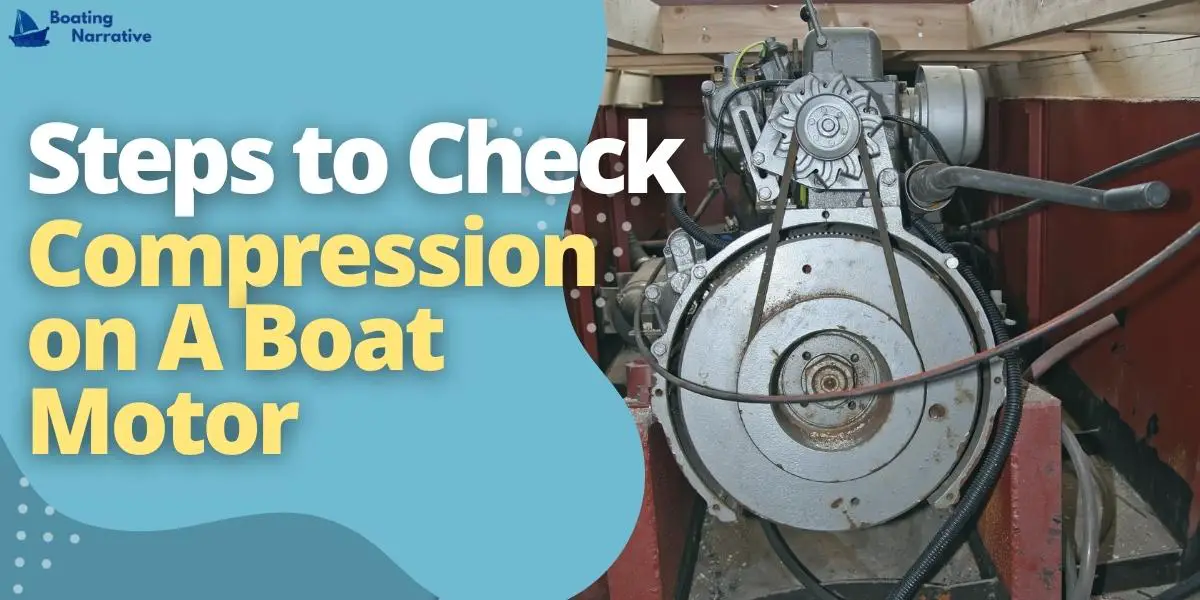
The numbers on your gauge are more than just data—they’re a conversation with your chopper. Listen closely, and it will tell you exactly what it needs to keep roaring down the road for years to come.
The Chopper Rider’s Creed: Maintenance as a Way of Life
In the world of choppers, maintenance isn’t a chore—it’s a rite of passage. It’s the difference between a bike that’s a mere machine and one that’s a legend. Compression testing is just one piece of the puzzle, but it’s a piece that speaks volumes. It’s the difference between a chopper that purrs like a contented cat and one that growls like a caged tiger.
So, the next time you fire up your chopper, take a moment to listen. Not just to the sound of the engine, but to the story it’s telling you. Is it smooth? Is it strong? Does it have the compression of a well-tuned beast, ready to devour the miles ahead? If the answer is yes, then you’re not just a rider—you’re a guardian of the mechanical flame. And if the answer is no? Well, that’s just another adventure waiting to happen.
The road is long, the miles are many, and the chopper’s heartbeat is your soundtrack. Keep it strong. Keep it true. And never stop listening.