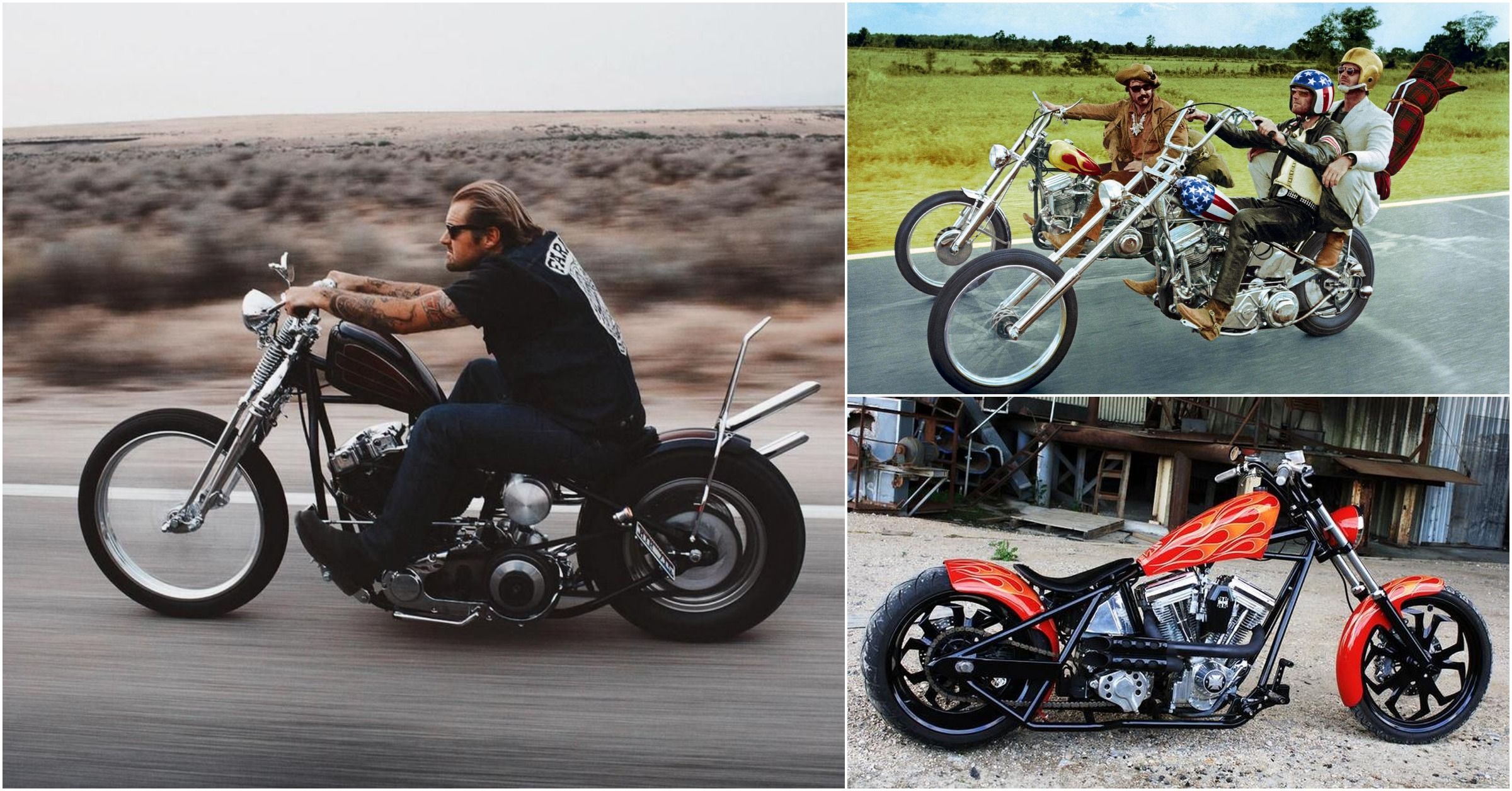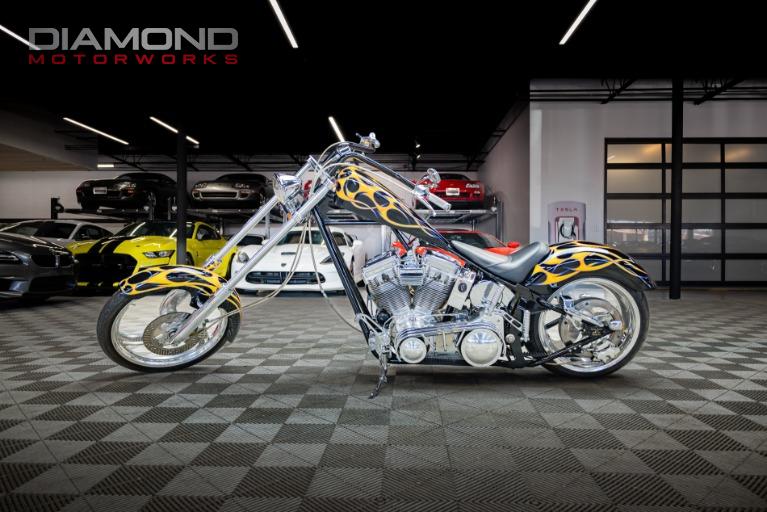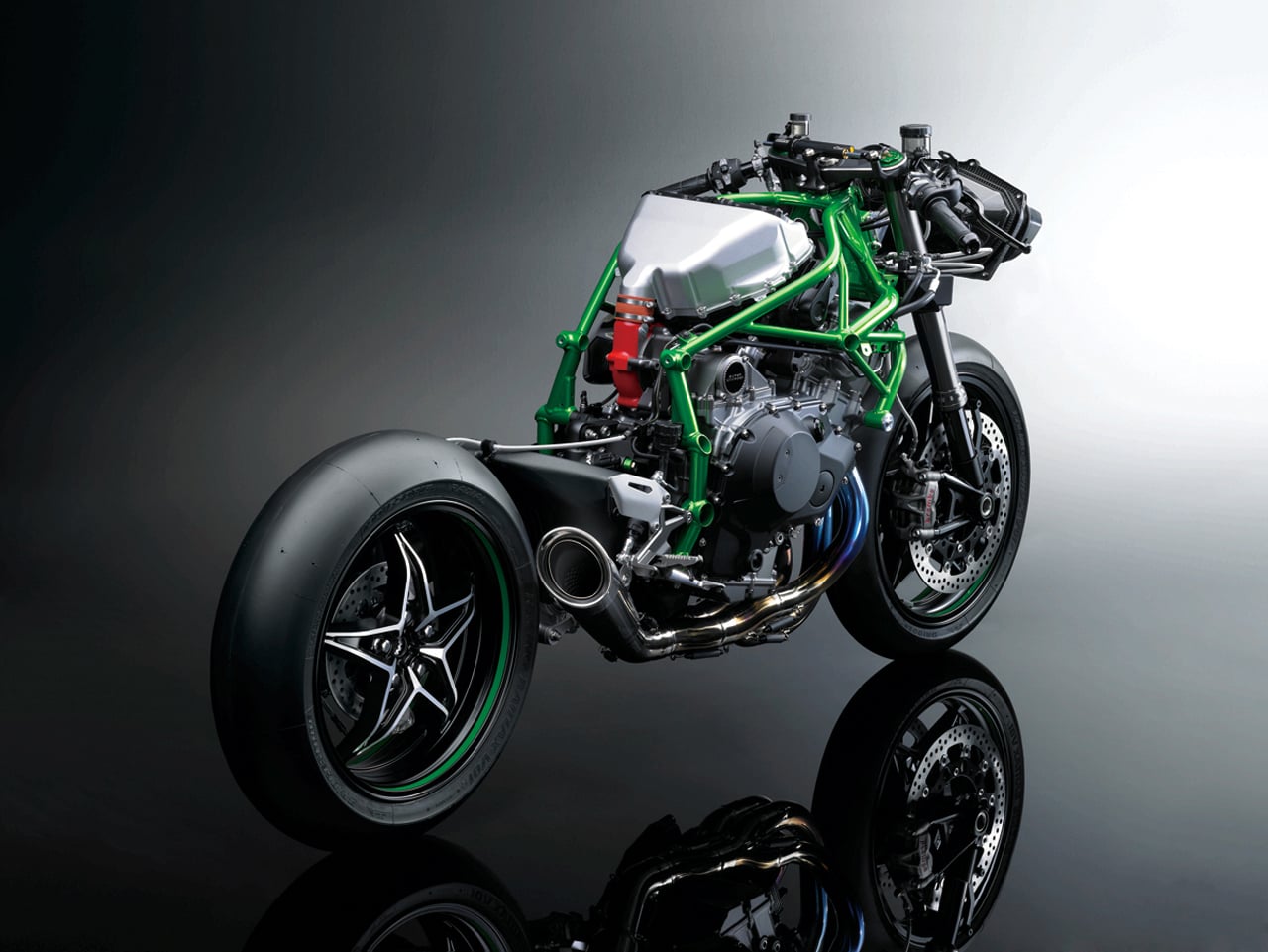
There’s something primal about a chopper—a machine that whispers rebellion while roaring down the open road. It’s not just a vehicle; it’s a statement, a rolling testament to raw craftsmanship and unapologetic individuality. But behind every gleaming chrome and rumbling engine lies a skeleton of steel, meticulously fused together by the skilled hands of a welder. The choice between MIG and TIG welding isn’t just technical—it’s a philosophical divide, a clash of methodologies that shapes not only the bike’s integrity but its very soul.
The Chopper’s Backbone: Why Welding Matters More Than You Think
A chopper isn’t built—it’s forged. Every weld is a scar that tells a story, a permanent mark of the builder’s intent. MIG welding, with its wire-fed torch and shielding gas, offers speed and forgiveness, ideal for those who prioritize efficiency over perfection. The spatter flies, the arc hisses, and in minutes, a joint is sealed. It’s the welding equivalent of a power drill: reliable, fast, and unpretentious.
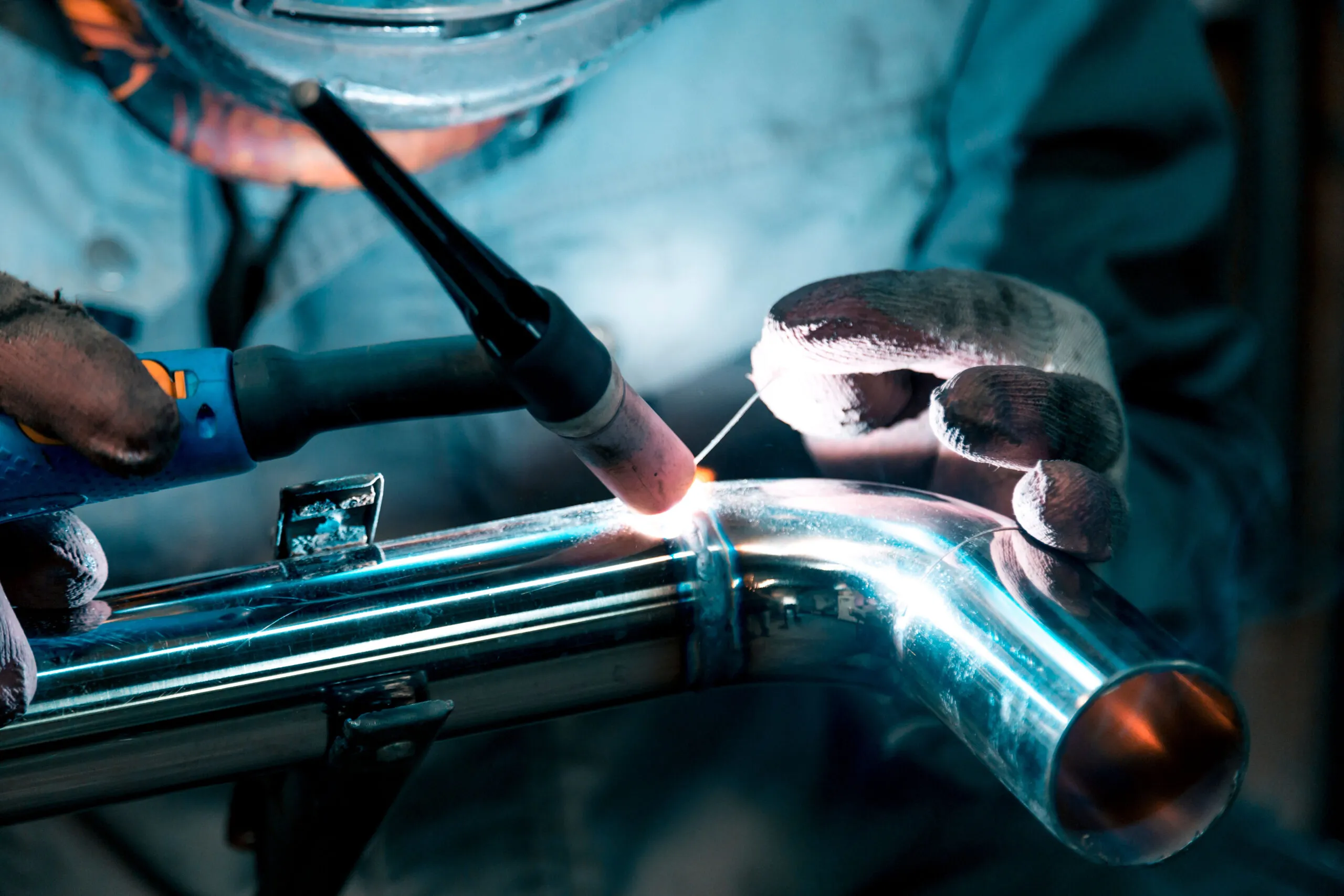
TIG welding, on the other hand, is the artisan’s choice. The tungsten electrode dances with the metal, a ballet of precision where every bead is a deliberate stroke. There’s no room for error. The welder’s other hand feeds filler metal, while the foot controls the amperage, creating a symphony of control. This is welding as an art form, where patience isn’t just a virtue—it’s a necessity.
The deeper fascination lies in what these methods reveal about the builder’s philosophy. MIG welding suits the pragmatic, the builder who values progress over perfection. TIG welding attracts the purist, the one who sees the chopper as a canvas for mechanical poetry. The choice isn’t just about the bike—it’s about the builder’s identity.
MIG Welding: The Speed Demon’s Ally
Imagine standing in a garage, the hum of a chopper’s engine filling the air as you weld a frame in a single afternoon. MIG welding makes this possible. Its wire feed system acts like a relentless automaton, laying down welds at a pace that leaves TIG in the dust. For builders racing against deadlines or working on projects where time is currency, MIG is the unsung hero.
But speed comes with trade-offs. The shielding gas—typically a mix of argon and CO2—protects the weld pool from atmospheric contamination, but it also introduces variables. Wind, drafts, or even a poorly adjusted regulator can turn a clean weld into a porous mess. And while MIG is forgiving for beginners, its simplicity can mask flaws. A rushed bead might hide weak penetration or excessive spatter, compromising the chopper’s structural integrity over time.
Yet, for all its imperfections, MIG welding has a rugged charm. It’s the welding equivalent of a well-worn leather jacket—functional, unpretentious, and built to last. The spatter that clings to the metal like a badge of honor tells a story of relentless progress, of a builder who values momentum over meticulousness.
TIG Welding: The Sculptor’s Precision
Now, picture a different scene: a welder hunched over a chopper frame, the tungsten electrode glowing like a tiny star. The arc is a whisper, not a roar. The weld pool is a mirror, reflecting the welder’s focus. This is TIG welding—a process so precise it borders on the obsessive. Every pass is deliberate. Every bead is a testament to control.
The absence of spatter isn’t just a cleanliness perk; it’s a structural advantage. TIG welds are cleaner, stronger, and more aesthetically pleasing. For a chopper frame, where every joint is a potential weak point, this precision is invaluable. The lack of filler metal contamination means fewer impurities, which translates to a weld that’s as strong as the base metal itself.
But precision demands patience. TIG welding is slow, methodical, and unforgiving. A single misstep—a momentary lapse in focus—can ruin hours of work. The welder must coordinate three things at once: the torch, the filler rod, and the amperage. It’s a high-wire act where the safety net is nonexistent. Yet, for those who master it, the reward is a chopper frame that’s not just built—it’s *crafted*.
The allure of TIG welding lies in its duality. It’s both a tool and a discipline. It’s the difference between a chopper that’s assembled and one that’s *created*. For builders who see their bikes as works of art, TIG isn’t just a method—it’s a philosophy.
The Aesthetic Divide: Beauty in the Bead
A chopper’s frame isn’t just a skeleton; it’s a statement. The welds are its signature. MIG welds, with their characteristic ripples and spatter, have a raw, industrial beauty. They tell a story of speed and pragmatism, of a builder who prioritizes function over form. The uneven beads, the occasional splatter—these aren’t flaws; they’re badges of authenticity.
TIG welds, in contrast, are the epitome of refinement. The beads are smooth, uniform, almost surgical in their precision. There’s no spatter, no excess. Just a seamless fusion of metal, a testament to the welder’s skill. For a chopper that’s meant to turn heads, TIG welding is the gold standard. It’s the difference between a chopper that’s admired from afar and one that’s studied up close, its craftsmanship a silent conversation between builder and observer.
Yet, beauty is subjective. Some builders embrace the imperfections of MIG welds, seeing them as a nod to the chopper’s rugged origins. Others insist on the flawless finish of TIG, where every bead is a brushstroke in a mechanical masterpiece. The choice isn’t just technical—it’s a declaration of intent.
Structural Integrity: The Silent Guardian
Beyond aesthetics, there’s the matter of strength. A chopper frame must withstand the stresses of the road—vibrations, impacts, the relentless pull of gravity. MIG welds, while strong, can be inconsistent. Poor technique or environmental factors can lead to weak spots, invisible to the naked eye but catastrophic under stress. The shielding gas must be perfectly balanced, the wire feed impeccable. Even then, the risk of porosity or incomplete fusion looms.
TIG welds, with their superior penetration and cleaner fusion, offer a margin of safety that MIG can’t match. The absence of spatter and the controlled heat input mean fewer defects. The welds are denser, more homogeneous. For a chopper that’s meant to be ridden hard and put away wet, TIG welding is the safer bet. It’s not just about strength—it’s about peace of mind.
But strength isn’t just about the welds themselves. It’s about the builder’s understanding of the metal. Different alloys respond differently to heat, and the wrong technique can weaken the base material. MIG welding, with its higher heat input, can distort thin metals or anneal them, reducing their strength. TIG, with its precise control, minimizes this risk, preserving the metal’s integrity.
The Builder’s Dilemma: Which Path to Choose?
The choice between MIG and TIG welding isn’t just about the chopper—it’s about the builder. Are you the speed demon, racing against time and deadlines? Or are you the artisan, willing to trade speed for perfection? The answer lies in your vision for the bike.
If your chopper is a project of necessity—a means to an end—then MIG welding is your ally. It’s the tool of the pragmatist, the builder who values progress over polish. It’s the welding method that turns a dream into reality, one bead at a time.
If your chopper is a labor of love, a testament to your skill and dedication, then TIG welding is your medium. It’s the method of the perfectionist, the builder who sees the bike as a canvas for mechanical artistry. It’s slow, demanding, and unforgiving—but the result is a chopper that’s not just built, but *created*.
Ultimately, the choice is yours. But remember: every weld tells a story. Choose wisely, for the soul of your chopper depends on it.