The rumble of a V-twin engine, the gleam of polished chrome under the neon glow of a garage—these are the hallmarks of a bygone era, a time when custom choppers were the rebellious heartbeat of the open road. Yet, as the world hurtles toward an electric future, the chopper isn’t fading into obscurity. Instead, it’s undergoing a metamorphosis, shedding its fossil-fueled skin for something sleeker, quieter, and infinitely more audacious. The electric chopper isn’t just a machine; it’s a statement, a fusion of raw craftsmanship and cutting-edge innovation, redefining what it means to ride free.
The Electric Pulse: A Heartbeat Reimagined
Imagine the soul of a chopper—its thundering growl, the visceral feedback of a throttle twisted wide open—now imagine that soul stripped down to its essence and rebuilt with electrons instead of gasoline. The electric chopper is a paradox: a machine that roars without sound, that hums with a symphony of silent power. The motor, compact and unobtrusive, nestles into the frame like a hidden gem, its torque curve a relentless tide that surges from zero to warp speed in the blink of an eye. Gone are the days of carburetor adjustments and exhaust note tuning; in their place is a new language of engineering, where efficiency and exhilaration dance in perfect harmony.
This isn’t just evolution—it’s revolution. The electric chopper doesn’t just adapt to the future; it *is* the future, a rolling testament to the idea that tradition and innovation aren’t mutually exclusive. The frame, once a canvas for raw power, now cradles a battery pack that’s as much a work of art as the welds and curves that shape the bike. The weight distribution is a ballet of precision, the center of gravity lowered not by leaden counterweights but by the elegant placement of lithium cells. Every ride becomes a conversation between rider and machine, a dialogue of control and responsiveness that feels almost telepathic.

The Aesthetic Alchemy: Forging Beauty from Silence
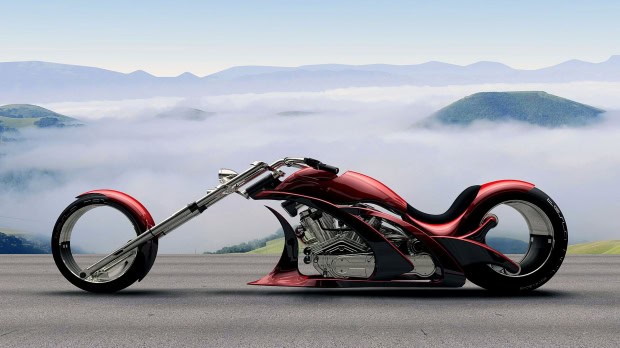
There’s a certain poetry in the silence of an electric chopper. The absence of a growling engine doesn’t dull its presence; it amplifies it. The absence of exhaust fumes doesn’t dilute its character; it sharpens it. The chopper, stripped of its mechanical growl, reveals its true form—a sculpture of steel and carbon fiber, a study in minimalism and maximalism all at once. The lines are cleaner, the details sharper, the entire machine a whisper that commands attention.
Consider the battery housing, often a bulky afterthought in conventional builds. In an electric chopper, it becomes a focal point—a geometric marvel, its contours flowing into the frame like the veins of a living organism. The seat, once a perch for a rider bracing against the engine’s fury, now cradles the pilot in a throne of comfort, the absence of vibration turning every mile into a meditative journey. Even the handlebars, once a utilitarian necessity, can now be sculpted into something organic, their curves echoing the organic flow of the bike’s soul.
And then there’s the lighting. LED strips pulse like bioluminescent tendrils, casting an otherworldly glow that turns night rides into a cinematic experience. The absence of a traditional headlight forces designers to rethink illumination entirely, leading to sleek, integrated light arrays that feel like they belong on a spacecraft rather than a motorcycle. The chopper, in its electric incarnation, isn’t just a vehicle—it’s a moving piece of art, a rolling masterpiece that commands the eye and the imagination.
The Rider’s Covenant: Freedom in a New Key
Riding a custom chopper has always been about more than transportation; it’s been a rebellion, a declaration of individuality, a love letter to the open road. The electric chopper carries that legacy forward, but with a twist. The rider isn’t just a pilot anymore—they’re a pioneer, a trailblazer navigating uncharted territory. The silence of the ride isn’t a void; it’s an invitation to listen—to the hum of the motor, to the wind whispering through the frame, to the very pulse of the machine beneath you.
There’s a meditative quality to electric riding. No gear shifts, no clutch drag, just throttle response that’s immediate and unfiltered. The bike becomes an extension of the rider, a seamless extension of will. And yet, there’s still room for customization, for personal expression. The battery range can be tailored to the rider’s needs, the motor’s power tuned to match their style. The chopper isn’t a one-size-fits-all machine; it’s a bespoke creation, a reflection of the rider’s soul.
But freedom isn’t just about the ride—it’s about the destination. Electric choppers are redefining the concept of the road trip. Charging stations are sprouting up in unexpected places, from roadside diners to remote mountain lodges. The electric chopper isn’t tethered to gas stations; it’s free to roam, to explore, to find its own path. The rider isn’t bound by the tyranny of fuel stops; they’re bound only by the horizon.
The Engineering Odyssey: Pushing the Boundaries of Possibility
Building an electric chopper isn’t just about swapping an engine for a motor. It’s a full-scale engineering odyssey, a challenge that demands creativity, ingenuity, and a willingness to break the mold. The frame, for instance, must be reengineered to accommodate the battery pack, which often requires a complete rethink of the bike’s architecture. Traditional hardtail frames give way to designs that cradle the battery like a precious cargo, their geometry optimized for both stability and style.
The motor itself is a marvel of modern engineering. Unlike the bulky, heavy units of the past, today’s electric motors are compact, powerful, and efficient. They can be mounted in unconventional positions—mid-drive, hub-drive, even integrated into the swingarm—allowing for a level of design freedom that was previously unimaginable. The torque, delivered instantaneously, transforms the riding experience. There’s no lag, no hesitation—just raw, unfiltered power that responds to the slightest touch of the throttle.
And then there’s the battery. The heart of the machine, the source of its life. Lithium-ion cells, carefully arranged and meticulously balanced, power the chopper with a precision that gasoline engines can only dream of. The range is no longer a gamble; it’s a calculated certainty. And with fast-charging technology, even the longest rides are within reach. The battery isn’t just a component—it’s the lifeblood of the machine, the silent force that propels the rider forward.
The Cultural Shift: A New Era of Two-Wheeled Rebellion
The chopper has always been a symbol of rebellion, a middle finger to convention. But in an age where sustainability and innovation are paramount, the electric chopper represents a new kind of rebellion—not against society, but against the status quo. It’s a statement that you can have your cake and eat it too: the raw, unbridled freedom of a chopper, married to the cutting-edge technology of the future.
This isn’t just a niche movement. It’s a cultural shift, a redefinition of what it means to ride. The electric chopper isn’t just for the purists or the early adopters; it’s for anyone who’s ever looked at a motorcycle and thought, *What if?* It’s for the artist who sees the frame as a canvas, the engineer who sees the motor as a puzzle to solve, the rider who sees the open road as a blank page waiting to be filled with stories.
The electric chopper is more than a machine. It’s a manifesto. A declaration that the future doesn’t have to be sterile or soulless. It can be bold. It can be beautiful. It can be *alive*. And as the world hurtles toward an electric tomorrow, the chopper isn’t just keeping pace—it’s leading the charge.

The electric chopper isn’t just a glimpse into the future—it’s a ride into it. And the road ahead has never looked more electrifying.