The art of cutting chopper tubing—those sleek, serpentine metal veins that pulse with the raw energy of a roaring engine—demands more than just brute force. It requires precision, finesse, and a tool that can dance with the metal rather than wrestle it into submission. Enter the angle grinder, a powerhouse of versatility that, when wielded with skill, transforms a chaotic tangle of tubing into a masterpiece of mechanical elegance. But not all angle grinders are created equal. To slice through chopper tubing like a hot knife through butter, you need a grinder that’s as agile as a stunt pilot and as relentless as a desert storm. Let’s dive into the world of angle grinders and uncover the best options for cutting chopper tubing with the kind of precision that would make a Swiss watchmaker nod in approval.
The Heart of the Beast: Motor Power and Torque
At the core of every angle grinder lies its motor—a pulsating heart that dictates the tool’s ability to chew through metal with gusto. For chopper tubing, where thick-walled steel and chromoly reign supreme, you need a grinder with a motor that doesn’t flinch under pressure. Look for models boasting at least 10-15 amps of power, ensuring that the grinder can maintain its RPMs even when faced with the densest alloys. Torque is another critical factor; it’s the difference between a grinder that stalls like a stubborn mule and one that powers through like a freight train. High torque means fewer interruptions, less fatigue, and a cleaner cut. Imagine the grinder as a seasoned blacksmith—its motor should roar with the same intensity as a forge’s bellows, never wavering in its resolve.

Blade of Precision: Disc Selection for Chopper Tubing
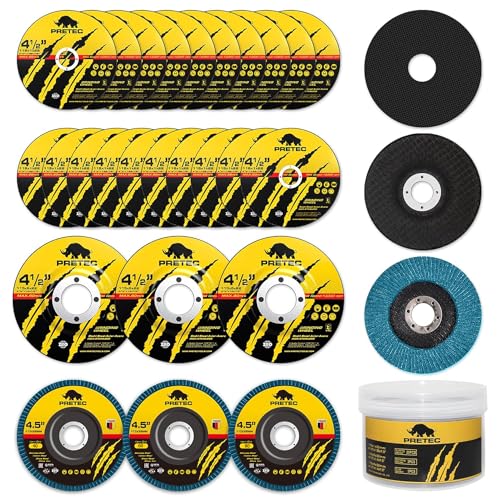
No angle grinder is complete without its blade—though in this case, we’re talking about abrasive discs, cut-off wheels, and grinding stones. For chopper tubing, the choice of disc is akin to selecting the right sword for a duel. A thin, reinforced cut-off wheel (1mm to 1.6mm thick) is ideal for slicing through tubing with minimal kerf, preserving as much material as possible. For thicker tubing or when precision is paramount, a diamond cut-off wheel can be a game-changer, offering unparalleled durability and a cooler cutting experience. Avoid cheap, flimsy discs that crumble under pressure; instead, opt for premium, fiberglass-reinforced wheels that can withstand the heat and stress of prolonged use. Think of the disc as the grinder’s extension—a razor-sharp ally that must be chosen with the same care as a knight selects his armor.
Ergonomics: The Silent Hero of Fatigue-Free Cutting
Even the most powerful grinder becomes a burden if it feels like holding a sledgehammer for hours. Ergonomics is the unsung hero of angle grinders, the difference between a project that leaves you exhilarated and one that leaves you nursing a cramped hand and a sore back. Look for grinders with rubberized grips that conform to your hand like a second skin, reducing vibration and fatigue. A side handle that can be adjusted for balance is another boon, allowing you to wield the tool with the finesse of a surgeon. Weight distribution matters too—lighter grinders (under 5 lbs) are easier to maneuver, especially when working on intricate tubing designs. Picture the grinder as an extension of your body, a seamless fusion of man and machine where comfort is as crucial as capability.

Speed and Control: The Dance of the Grinder
Speed isn’t just about how fast the disc spins; it’s about control. Chopper tubing often requires intricate cuts, from bevels to notches, each demanding a different approach. Variable speed grinders are a godsend here, allowing you to dial in the perfect RPM for the task at hand. Lower speeds (around 5,000 RPM) are gentler on the metal and reduce the risk of overheating, while higher speeds (up to 12,000 RPM) can power through tougher materials with ease. But speed without control is a recipe for disaster. Look for grinders with electronic feedback systems that maintain consistent speed under load, ensuring that your cuts remain smooth and precise. Envision the grinder as a partner in a waltz—it must move with you, adapting to your rhythm rather than dictating it.
Durability: Built to Last Through the Storm
A grinder that falters halfway through a project is a nightmare incarnate. Durability is non-negotiable, especially when working with chopper tubing, where the metal can be as unforgiving as a desert sun. Seek out grinders with metal gear housings and ball-bearing construction, which shrug off the punishment of heavy use. Brushless motors are another mark of longevity, as they generate less heat and wear over time. Don’t overlook the importance of a robust spindle lock—it’s the difference between a quick disc change and a frustrating battle with a stuck wheel. Think of the grinder as a steadfast companion, one that will stand by you through countless projects, its components as resilient as the tubing you’re cutting.
Safety: Shielding Yourself from the Inferno
No discussion of angle grinders would be complete without a nod to safety. Chopper tubing cutting is a fiery ballet of sparks and metal, and one misstep can turn a precision cut into a trip to the emergency room. Always wear a respirator to shield your lungs from metal dust, and don’t forget a pair of high-quality safety glasses—preferably with side shields—to protect your eyes from rogue particles. Heavy-duty gloves and flame-resistant clothing are also essential, as the sparks can ignite even the most innocuous fabric. A sturdy workbench with clamps ensures your tubing stays put, while a fire extinguisher within arm’s reach is a must. Treat the grinder with the respect it deserves, and it will reward you with flawless cuts and peace of mind.

The Final Cut: Top Picks for Chopper Tubing Mastery
After sifting through the myriad of options, a few angle grinders rise to the top like steel through water. The DeWalt DWE402 is a titan of the trade, boasting a 12-amp motor, variable speed control, and a durable gear housing that laughs in the face of abuse. For those who prioritize ergonomics, the Makita GA7021 is a dream, with its lightweight design and rubberized grips that make long sessions feel effortless. If you’re willing to invest in the best, the Metabo HPT G18SR4 delivers brushless motor efficiency and unmatched durability, ensuring that your chopper tubing cuts are as clean as a surgeon’s incision. Each of these grinders is a tool of precision, a partner in your quest to transform raw metal into mechanical poetry.
Cutting chopper tubing is more than a task—it’s a craft. It’s the marriage of power and precision, of sweat and sparks, where the right angle grinder becomes the catalyst for creation. Choose wisely, wield with confidence, and let the metal sing under your command.