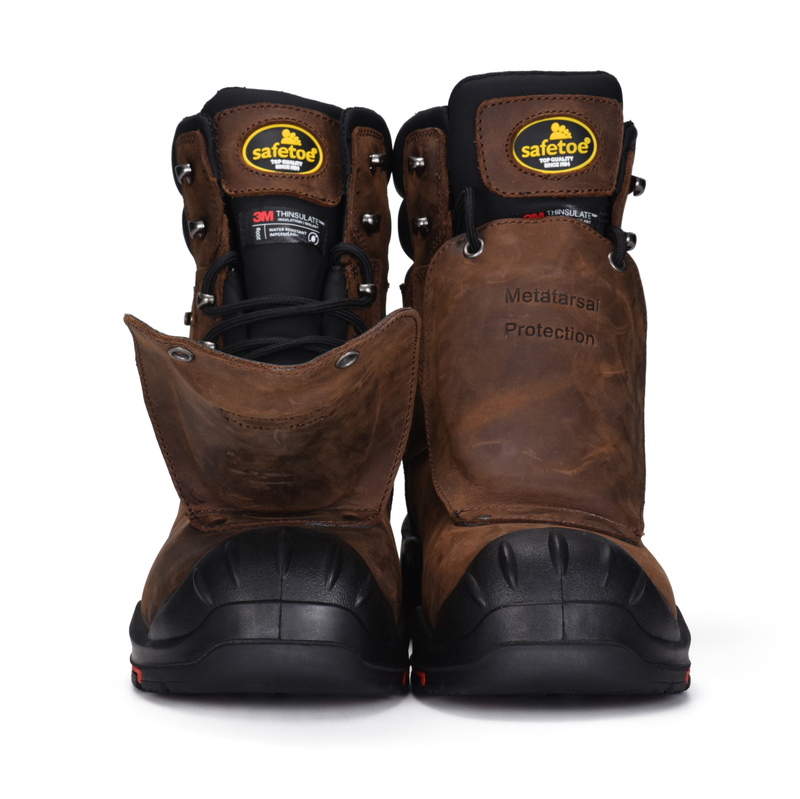
In the heart of a chopper welding shop, where sparks dance like rebellious fireflies and the air hums with the symphony of metal meeting metal, one piece of gear stands between the welder and chaos: the work boot. Not just any boot, but one forged in the crucible of durability, safety, and comfort—because a day spent shaping raw steel into rolling art shouldn’t be marred by blisters, crushed toes, or the dreaded slip on a rogue bead of molten metal. Whether you’re a seasoned chopper builder threading intricate designs or a newbie wielding a MIG gun for the first time, the right pair of boots can elevate your craft from a grueling grind to a seamless dance. Let’s dive into the essentials of selecting the best work boots for a chopper welding shop, where every step is a statement of resilience.
The Unseen Hero: Why Your Boots Matter More Than You Think
Imagine this: You’re knee-deep in a project, the welder’s arc casting an eerie glow across your face, your hands steady as you guide the torch along a custom frame. Then—disaster. A stray spark lands on your boot, or worse, you step on a half-cooled weld splatter. Without proper protection, that’s a recipe for singed soles, melted stitching, or even a trip to the ER. The right welding boots aren’t just footwear; they’re your silent guardians. They shield against heat, crush hazards, and electrical shocks while keeping your feet dry during those marathon sessions when the shop’s AC decides to take a coffee break. In a chopper shop, where precision and passion collide, your boots are the unsung heroes holding it all together.

Heat-Resistant Armor: The Non-Negotiable Feature
Chopper welding isn’t a gentle art—it’s a fiery ballet where temperatures soar beyond 1,000°F in the blink of an eye. Your boots need to laugh in the face of such heat. Look for models crafted from heat-resistant leather, preferably full-grain or thick split leather, which can withstand direct contact with sparks and slag. Synthetic materials? Forget them. They’ll melt faster than a beginner’s first weld bead. Instead, prioritize boots with heat-resistant outsoles, often made from rubber compounds infused with silica or other heat-diffusing agents. Some premium options even feature ceramic toe caps, which not only deflect heat but also add an extra layer of protection against falling debris. If your boots can’t handle the heat, they’re not worthy of your shop.
Steel, Composite, or Aluminum: The Toe Cap Showdown
Toe protection isn’t a one-size-fits-all affair. In a chopper shop, where dropped wrenches and errant hammers are as common as coffee stains on blueprints, you need a toe cap that can take a beating. Steel toe boots are the tried-and-true workhorses, offering unmatched durability and impact resistance. They’re the go-to for welders who prioritize brute-force protection over weight. However, they conduct heat and cold, which can be a nuisance in a shop where temperatures fluctuate like a welder’s mood after a failed pass.
Composite toe boots, made from materials like Kevlar or carbon fiber, are the lightweight contenders. They don’t conduct heat or cold, making them ideal for welders who need to move fast without feeling like they’re lugging bricks. They’re also airport-friendly, if you ever need to fly to a chopper show with your gear. Then there’s the aluminum toe cap, a rare but mighty option that combines the best of both worlds—lightweight, non-conductive, and surprisingly strong. For chopper builders who value agility without sacrificing safety, aluminum toes are a sleeper hit.
Slip-Resistant Souls: Grip That Keeps You Upright
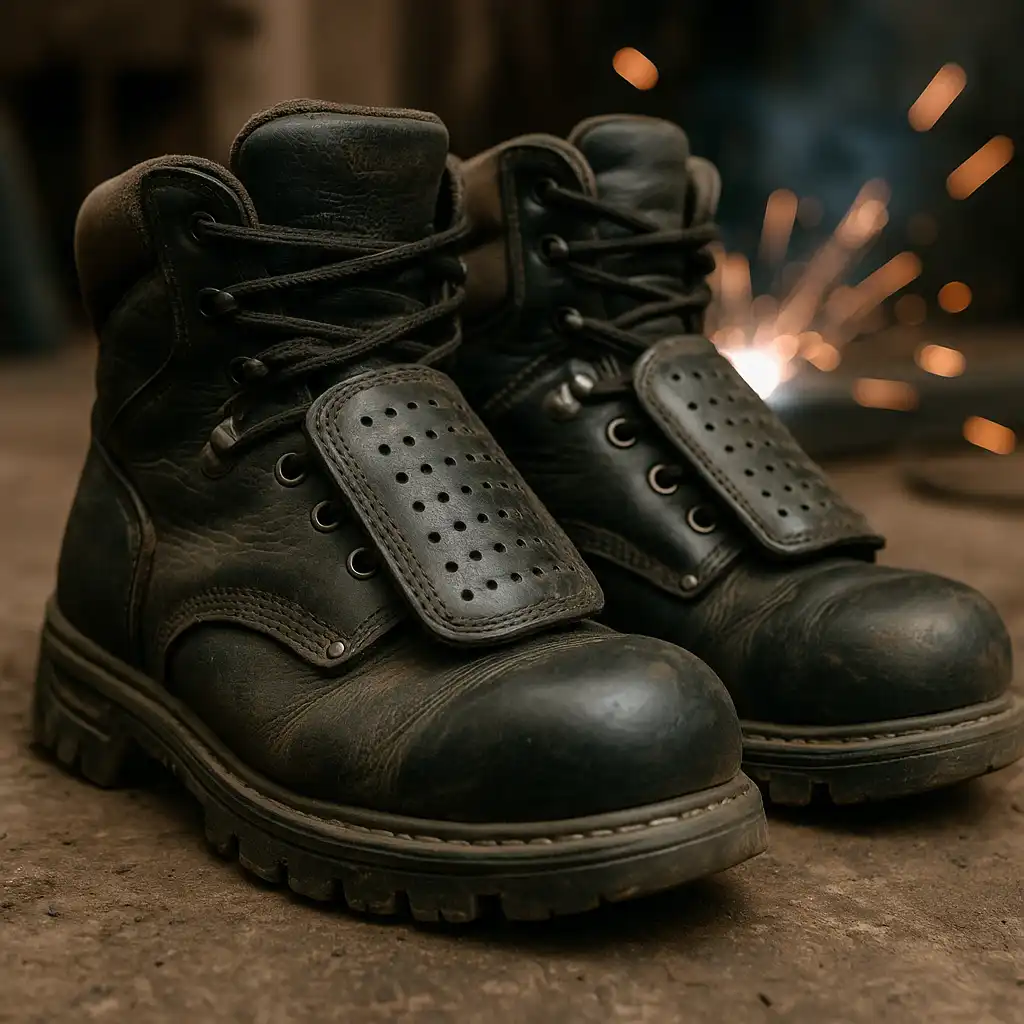
A welder’s shop floor is a minefield of oil slicks, metal shavings, and the occasional puddle of coolant. One misstep, and suddenly you’re performing an unintentional split that ends with your backside on the concrete. That’s where slip-resistant outsoles come into play. Look for boots with deep, multi-directional lugs—think of them as the treads on a tank, designed to bite into slick surfaces. Rubber compounds with high co-efficient of friction, like those infused with nitrile or polyurethane, are your best friends here. Some boots even feature oil-resistant outsoles, which repel the greasy grime that loves to sabotage your footing. In a chopper shop, where every step is a calculated risk, grip is your lifeline.
The Comfort Conundrum: Long Hours Demand Long-Lasting Support
Let’s be real: chopper welding isn’t a sprint; it’s an Ironman triathlon with a side of metalwork. You’ll be on your feet for hours, crouching, bending, and occasionally doing the welders’ version of the limbo under a bike frame. Your boots need to be as comfortable as a recliner after a 12-hour shift. Cushioned midsoles are non-negotiable—look for EVA foam or polyurethane layers that absorb shock like a sponge. Removable insoles are a game-changer, allowing you to swap in custom orthotics if your feet demand extra TLC. Arch support is another critical factor; boots with contoured footbeds or metatarsal guards can prevent the dreaded welder’s arch collapse. And don’t overlook breathability—mesh linings or moisture-wicking fabrics keep your feet from turning into a swamp, even when the shop’s humidity hits stratospheric levels.
Electrical Safety: When Sparks Aren’t the Only Shocking Hazard
Welding and electricity go together like peanut butter and jelly—except the jelly part is a 220-volt shock that could turn your day from productive to catastrophic. Your boots should be electrically hazard (EH) rated, meaning they’re designed to reduce the risk of electrical shock. Look for boots that meet or exceed ASTM F2413 standards, which test for electrical resistance. Some models even feature antistatic properties, dissipating static buildup that could otherwise fry sensitive electronics in your shop’s tools. If you’re working with high-voltage equipment or in damp conditions, EH-rated boots aren’t just recommended—they’re mandatory. Better safe than fried.
Style Meets Substance: Boots That Look as Good as They Perform
Who says safety can’t be stylish? In a chopper shop, where aesthetics are everything, your boots should reflect the same level of craftsmanship you pour into your builds. Distressed leather finishes and stitched accents give boots a rugged, vintage appeal, while sleek composite toes offer a modern edge. Some brands even collaborate with motorcycle customizers to create boots that look like they rolled off the same assembly line as the choppers you’re building. Don’t underestimate the power of a good-looking boot—it’s the cherry on top of your safety sundae.
Breaking In vs. Breaking Down: The Lifespan of Your Boots
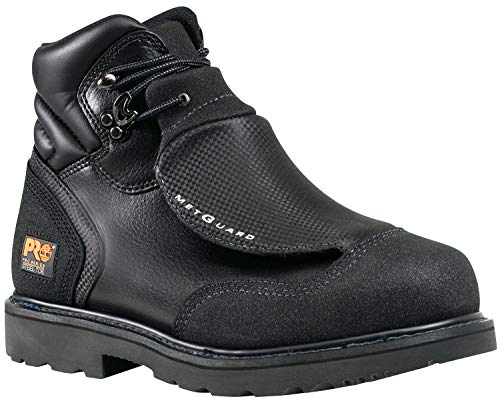
Even the toughest boots need time to adapt to your feet. Breaking in is a rite of passage—expect some stiffness and blister-prone spots in the first few wears. But if the pain persists beyond a week, your boots might be the wrong fit. To extend their lifespan, clean them regularly with a damp cloth and a leather conditioner (if they’re leather-based). Store them in a cool, dry place away from direct sunlight, which can dry out the materials and turn them brittle. And when the soles start to wear thin or the toe cap feels less like armor and more like a suggestion, it’s time to retire them. A good pair of welding boots should last you 6 to 12 months of heavy use—anything less, and you’re not investing in quality.
Final Weld: Choosing the Right Boot for Your Shop
At the end of the day, the best work boot for a chopper welding shop is the one that fits like a glove, protects like a fortress, and lets you move with the grace of a welder who’s mastered the craft. Whether you opt for the unyielding strength of steel toes, the nimble agility of composite toes, or the heat-defying prowess of aluminum, prioritize features that align with your shop’s demands. Remember: your boots are the foundation of every weld, every bend, and every late-night project that pushes the boundaries of what’s possible. Choose wisely, and they’ll carry you through a lifetime of two-wheeled artistry.