In the vast, rolling landscape of cruiser motorcycles, three titans stand as unyielding sentinels—Harley-Davidson, Yamaha, and Victory. Each brand crafts not merely machines but mythologies, weaving steel and soul into chariots that beckon riders to escape the mundane and embrace the open road’s siren call. The battle between these legends is less a contest of speed and more a symphony of identity, culture, and engineering philosophies, each resonating with a distinct creed that shapes the cruiser experience.
The Harley-Davidson, often dubbed the “King of Cruisers,” embodies the raw visceral heart of American motorcycle heritage. Riding a Harley is akin to piloting a thundercloud, its iconic V-twin rumble a basso profundo that echoes the rumblings of a distant storm. It is not merely the sound but the sensation—the robust torque, the mechanical poetry of a bike designed to command presence. Harley’s design ethos favors tradition infused with rugged individualism. Its bikes wear their scars like badges of honor, with chrome and leather stitched seamlessly into a tapestry of rebellion.
Beyond aesthetics, Harley’s unique appeal lies in its cultural magnetism. It is a vessel of Americana, steeped in decades of lore that connects riders to a lineage of free spirits marching against conformity. The company’s customization ecosystem further amplifies this allure, enabling owners to tailor their steeds into personal totems of freedom. Each Harley is an artifact, a rolling testament to the rider’s personality and taste, fierce and unapologetically bold.
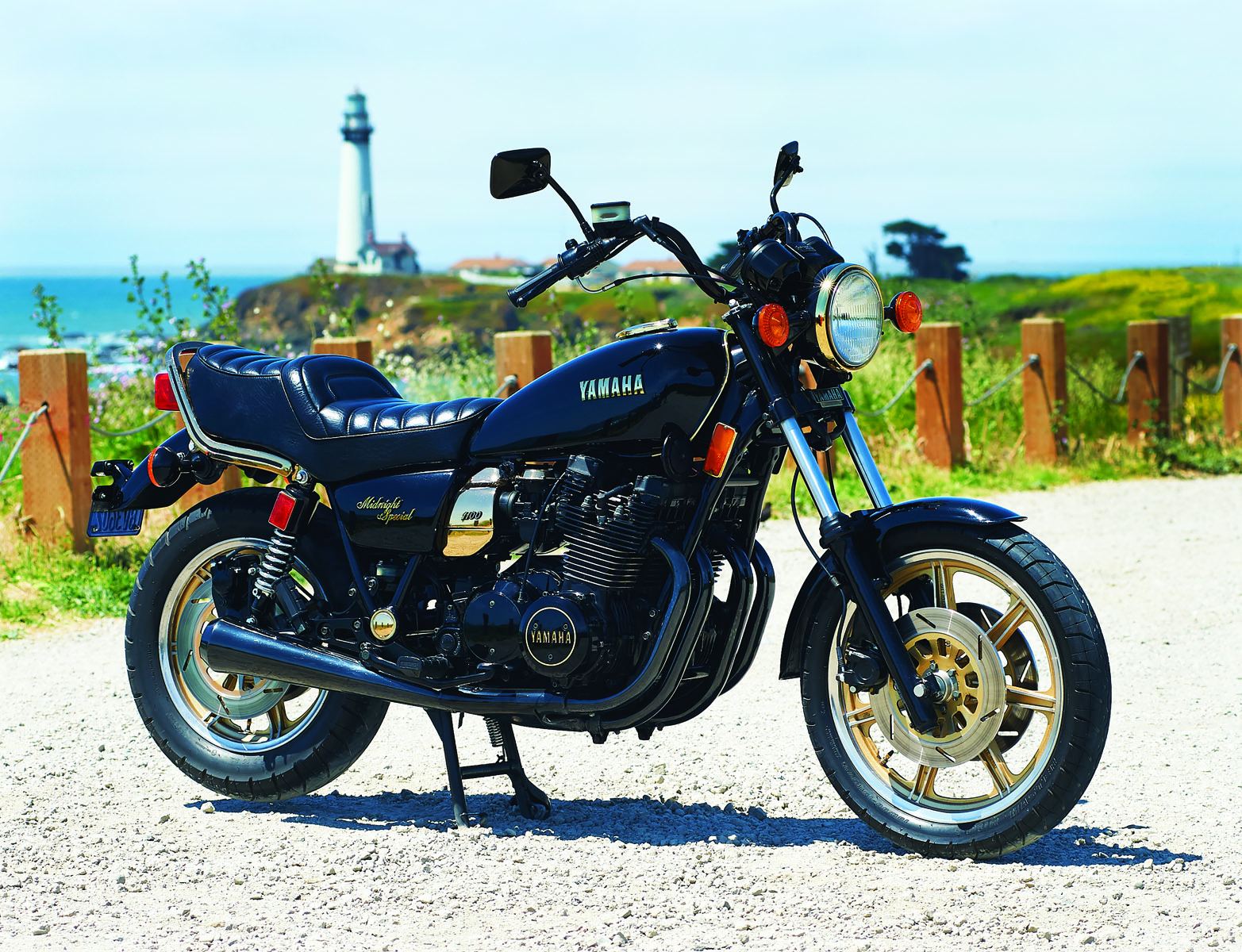
In contrast, Yamaha approaches the cruiser arena with a meticulously crafted blend of modernity and accessibility. If Harley is the thundercloud, Yamaha is the nimble falcon—agile, precise, and streamlined. The Japanese manufacturer’s cruisers are engineering marvels that emphasize balance and reliability without sacrificing the soulful hum that defines the genre. Yamaha’s V-twin cruisers, while harkening to tradition, incorporate advanced technology to ensure smoother rides and enhanced control, proving that innovation need not erode authenticity.
The Yamaha cruiser is an embodiment of silent strength and efficient grace. Its lighter frame and ergonomic design invite riders to explore winding backroads with renewed confidence and less fatigue. For many, Yamaha represents the pragmatic choice—where style meets substance without the cumbersome weight of nostalgia. It is the everyman’s cruiser: approachable but evocative, blending classic cues with a whisper of futurism. The meticulous Japanese craftsmanship transforms each motorcycle into a precision instrument, delivering an experience that is both exhilarating and dependable.
Then there is Victory, the dark horse in this triumvirate—an intriguing symbiosis of American grit and fresh flair. Founded as a direct challenger to Harley, Victory motors portend the spirit of defiance, armed with modern engineering and daring aesthetics. Like a night sky lit by a shooting star, Victory’s presence is at once electric and transient, fusing muscular designs with innovative performance enhancements. Its V-twin engines are engineered to offer a seamless balance between power and refinement, unshackled by the weight of decades-old tradition yet fiercely proud of its heritage.
What sets Victory apart is its commitment to crafting cruisers that deliver razor-sharp handling and sleek, aerodynamic silhouettes—qualities once alien to the cruiser genre’s lumbering archetype. Victory motorcycles are not just a means of transportation; they are kinetic sculptures, daring riders to rethink what a cruiser can be. The brand’s audacious streak appeals to those who crave uniqueness and a rebellious spirit, yet seek the reliability and tech-savvy features that modern motorcycling demands. The appeal is niche but potent—a siren song for the avant-garde aficionado.
Examining the performance trifecta, Harley’s powertrain thunders with unfiltered gusto, yet its heft can feel reminiscent of a heavyweight pugilist, trading nimbleness for sheer presence. Yamaha’s cruisers balance spirited acceleration with smooth handling, reflecting a philosophy that prizes rider comfort and versatility. Victory inhabits a middle ground, marrying a potent power delivery with chassis dynamics that make cornering a dance rather than a battle. The subtle distinctions in ride quality become defining hallmarks, turning each brand into a different expression of cruiser ethos.
Customization further delineates these giants. Harley’s sprawling aftermarket landscape is a veritable pantheon of parts and accessories, catering to nearly every whim. Yamaha’s offerings trend toward moderate personalization, with a consistent focus on blending form with function. Victory, though smaller in scale, wields customization as a means of storytelling—each bike a canvas for bold statements, unafraid to blend audacity with utility. Whether it be chrome embellishments, performance upgrades, or aesthetic tweaks, these choices contribute to the unique identities riders forge alongside their machines.
The cultural undercurrents in this battle are as charged as the mechanical ones. Harley-Davidson rides the crest of nostalgia and patriotic pride, a totem of American craftsmanship and freedom. Yamaha brings a global sensibility, marrying cultural sophistication with pragmatic design, often appealing to riders seeking reliability wrapped in style. Victory straddles the line, embodying an insurgent spirit that challenges the status quo, resonating with entrepreneurs of the road who value innovation fused with tradition on their own terms.
In conclusion, the cruiser battleground between Harley, Yamaha, and Victory is a rich tapestry of contrasts—heritage against innovation, brute force against precision, tradition tussling with rebellion. Each brand invites riders to choose not just a machine, but a philosophy of the road. Harley-Davidson offers thunderous legacy and visceral presence; Yamaha promises refined engineering and fluid versatility; Victory stands as the maverick, uniting raw power with sleek modernity. The true victor in this enduring rivalry is the rider, empowered by choice, enriched by diversity, and forever seduced by the siren song of the open highway.