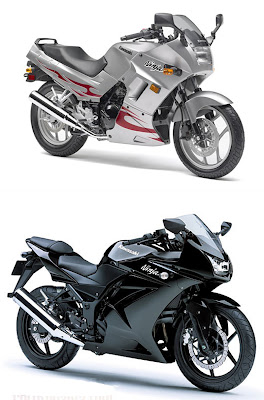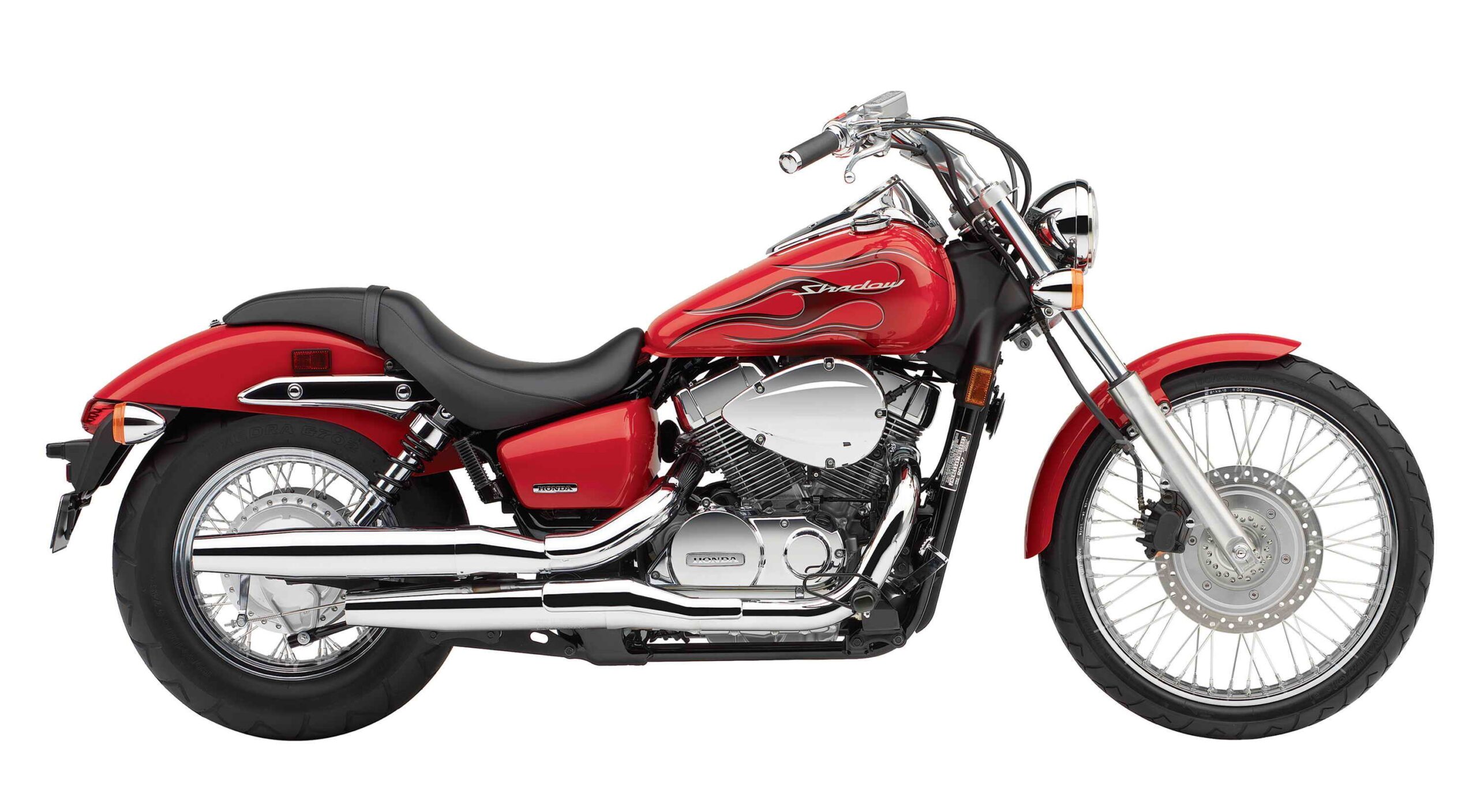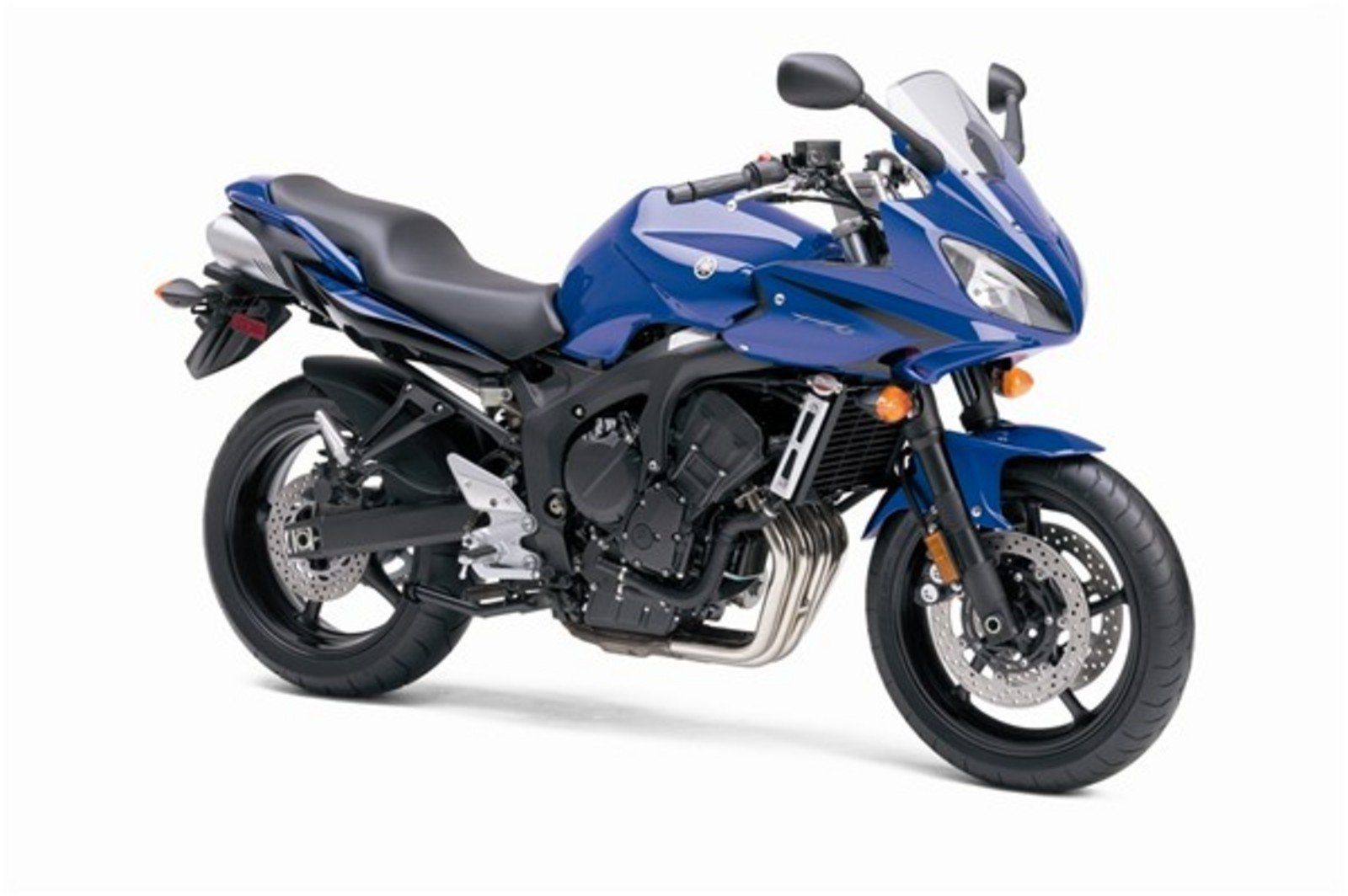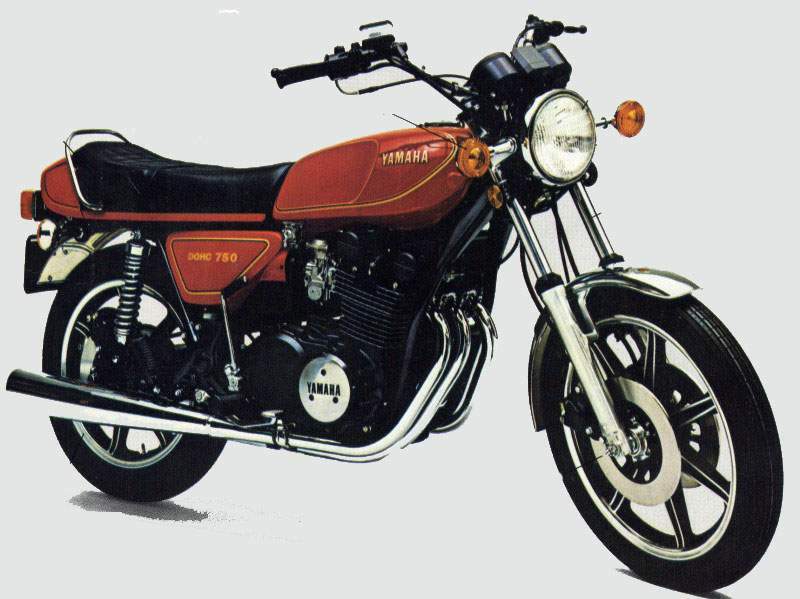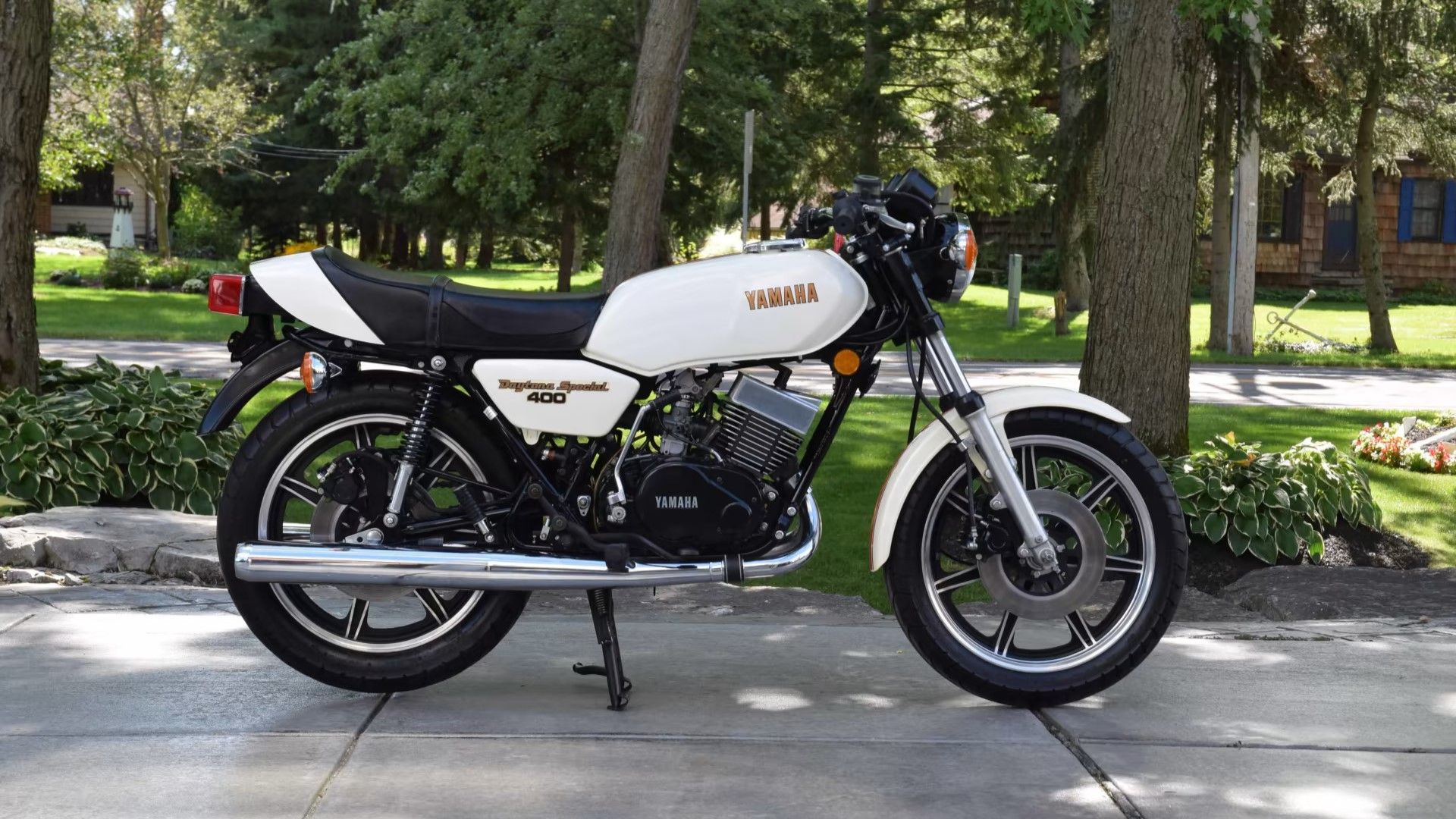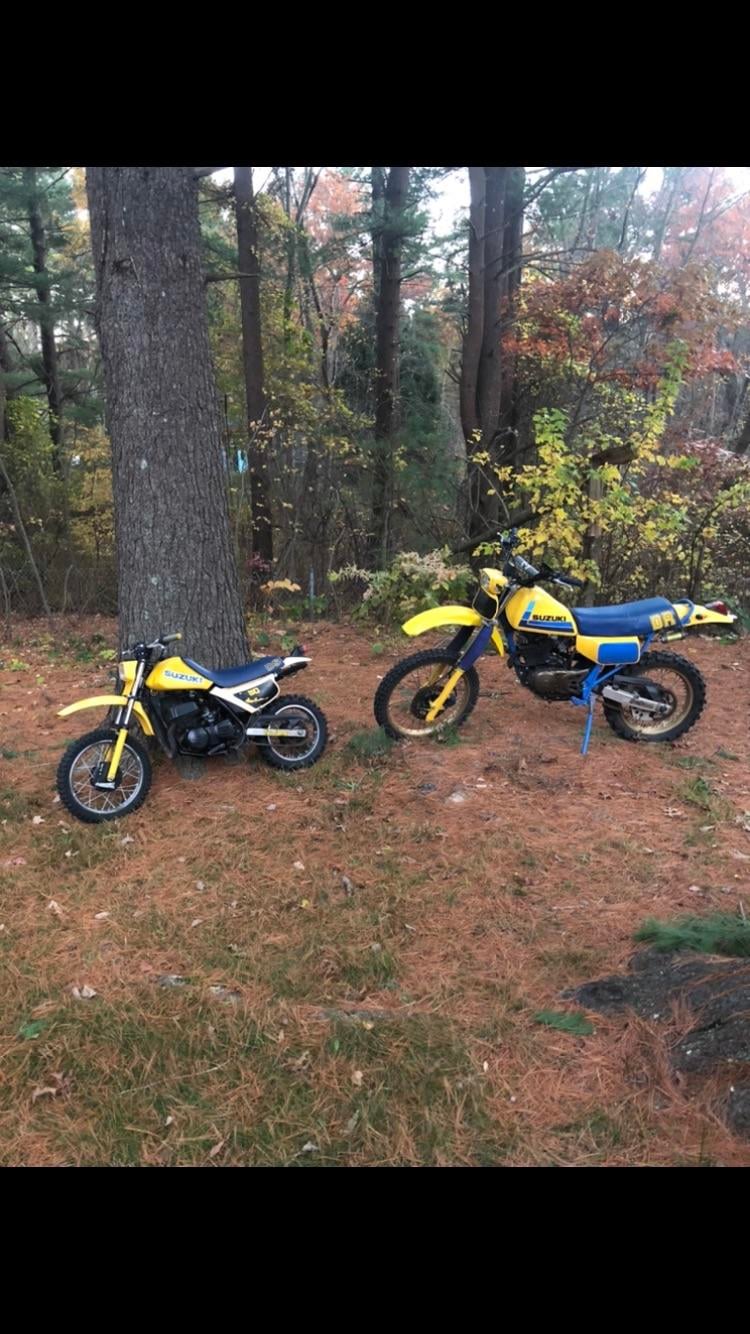
Have you ever wondered if those classic motorcycles from the 1980s could still hold their own against today’s sleek and technologically advanced machines? It’s a playful challenge that conjures images of nostalgia clashing with modern engineering — the gritty, unpolished charm of yesteryear’s bikes pitted against the cutting-edge performance of contemporary models. While many assume that advancements in technology have rendered older motorcycles obsolete, a closer examination of forgotten ’80s bikes reveals a surprising resilience and enduring appeal that modern machines sometimes struggle to replicate.
The 1980s were a golden era for motorcycle innovation, a crucible where raw engineering met passionate craftsmanship. Amidst the neon lights and synthwave soundtrack, manufacturers were relentlessly experimenting with design, power, and durability. These bikes were more than mere vehicles; they were symbols of rebellion and freedom. What set them apart wasn’t just their mechanical specifications but the visceral riding experience they offered, combining power, simplicity, and a backbone of reliability that modern motorcycles often trade off for complexity and electronics.
Take, for example, the rugged and robust enduro and dirt bikes of the ’80s. Back then, these machines were born to tackle tough terrains with minimal fuss. Unlike today’s dirt bikes, which are often laden with electronic aids and weighty components, many 1980s models operated on pure mechanical grit and intuitive handling. This rawness created a direct connection between rider and bike, fostering a sense of control and agility that some modern motorcycles, with their computer-controlled systems, struggle to replicate authentically. Picture the sprawling trails and off-road adventures where a classic 80s dirt bike, stripped down and boasting a lean chassis, still outperforms a contemporary counterpart bogged down by overly complex electronics and weighty enclosures.
Moreover, the styling and engineering choices from that decade deserve more than a cursory glance. The frames of many forgotten ’80s motorcycles were designed with simplicity and durability in mind, yet managed to deliver an exhilarating performance. These frames often used high-quality steel with precise welding techniques that imparted longevity and flexibility on uneven surfaces—qualities that are occasionally sacrificed for the allure of lightweight alloys in today’s production lines. It’s a reminder that advancement doesn’t always mean superiority; sometimes, robust craftsmanship beats out the latest material science.
Engine technology, too, was in a fascinating stage of evolution during that era. Many bikes employed air-cooled engines that were easier to maintain and had fewer failure points compared to the liquid-cooled systems favored today. These engines, while perhaps lacking the raw horsepower numbers on paper, delivered reliable torque and a uniquely engaging throttle response. For riders who appreciate that visceral sensation, the mechanical simplicity allows for personalized tuning and an understanding of the machine’s inner workings rarely possible with modern, computer-optimized engines.
One must also consider the cultural impact of these bikes. They were integral to subcultures that valued customization and personal expression. Riders would tinker under sunsets in driveways, swapping parts and fine-tuning their machines to extract every bit of potential. This hands-on culture is not just about nostalgia; it speaks to a fundamental difference in how motorcycles were perceived — less as disposable gadgets and more as mechanical companions. Some of those bikes, long forgotten by the mainstream, are now cherished artifacts, still ridden today in their original or meticulously restored forms. Their endurance challenges the notion that newer is always better.
How do these vintage bikes perform in real-world comparisons with the modern wave of motorcycles? Surprisingly well. A few intrepid riders and enthusiasts have reported that properly maintained ’80s bikes excel on various terrains, from city streets to rugged backroads. The minimalistic design translates into fewer components that can fail, providing a ruggedness and reliability that modern bikes, despite their advances, sometimes can’t guarantee without regular diagnostic checks. Their character remains unmatched — the subtle oscillations, the symphony of mechanical parts working in concert, and the responsive feedback that modern motorcycles fear losing amid digital interfaces.
Furthermore, maintenance economics and accessibility cannot be ignored. Many riders on a budget or those who enjoy the mechanical side of motorcycling find 1980s bikes to be more approachable. Spare parts, while sometimes rare, are often simpler and do not require proprietary software or specialized diagnostic tools for repairs. This accessibility maintains the bike’s life span and active utility for decades after its initial release, a testament to the unforeseen longevity embedded in these machines.
Could it be that some of the “forgotten” bikes from the 1980s offer not just nostalgia but a viable alternative to the modern motorcycle market? Their continued relevance pushes us to reconsider the assumptions we have about progress and technology in motor vehicle design. While it’s undeniable that innovation has brought safety features, efficiency, and environmental benefits, the essence of riding — the unmediated connection between machine and rider — sometimes shines brighter in these older models.
In the final analysis, the forgotten bikes of the 1980s invite a reevaluation of what it means to ride well. They question whether more complex always equates to better and whether a digital dashboard can replace the timeless satisfaction of feeling every shift, every torque pulse, and every rumble transmitted through a simple, well-made chassis. They challenge contemporary riders to embrace a heritage rooted in mechanical purity and tactile engagement.
So, the next time you see an old 1980s motorcycle revving its engine or feel the inquisitive glance of a rider cruising with a vintage machine, consider this: behind that weathered frame lies a legacy of incisive engineering and an enduring spirit that might just beat some of today’s sleekest rides at their own game. The playful challenge remains — can a forgotten 80s bike truly outperform modern machines? The answer might just be a resounding yes, when passion, craftsmanship, and simplicity meet the open road.