The clutch on a custom chopper isn’t just a mechanical component—it’s the heartbeat of your ride, the silent conductor orchestrating the symphony between man and machine. Without it, your chopper isn’t a beast of freedom; it’s a stalled dream, a silent sentinel of untapped potential. Adjusting the clutch isn’t merely about tightening a cable or tweaking a lever—it’s about forging a connection, a tactile dialogue between rider and machine that defines the very essence of custom motorcycling. This isn’t just maintenance; it’s alchemy, transforming raw metal into a responsive extension of your will.
The Soul of the Chopper: Why Clutch Adjustment Matters
Imagine your chopper as a living entity, its clutch the delicate synapse firing between thought and motion. A poorly adjusted clutch is like a misfiring synapse—jerky, unreliable, and frustrating. Too loose, and your ride becomes a stuttering beast, lurching forward with the grace of a startled gazelle. Too tight, and it’s a stubborn mule, resisting every command with the tenacity of a vice grip. The sweet spot? That’s where the magic happens—a clutch so finely tuned it responds to your touch like a lover’s whisper, effortless and intuitive.
Custom choppers, with their elongated frames and raked forks, demand precision. The clutch isn’t just a switch; it’s a bridge between the raw power of your engine and the finesse of your control. Adjust it right, and your chopper becomes an extension of your body, a mechanical dance partner gliding through curves with the elegance of a ballerina. Adjust it wrong, and you’re left wrestling a mechanical bull, each gear shift a battle of wills.
The Anatomy of a Clutch: Understanding the Inner Workings
Before you wield your wrenches, you must understand the battlefield. The clutch on a custom chopper is a marvel of engineering, a ballet of friction and release. At its core lies the clutch pack—steel plates interleaved with friction material, clamped together by the pressure plate. When you pull the lever, the pressure plate releases, allowing the plates to slip and the engine to spin freely. Release the lever, and the plates clamp down, transferring power to the transmission.
But here’s where it gets interesting. On a chopper, the clutch isn’t just a component; it’s a character. The cable or hydraulic system acts as its nervous system, transmitting your intentions with split-second precision. The adjusters? They’re the maestros, fine-tuning the tension so the clutch engages at the exact moment your boot meets the shifter. And the throw? That’s the distance your lever travels—a Goldilocks zone where too much is cumbersome, too little is twitchy, and just right is pure bliss.
The Ritual of Adjustment: Tools and Preparation
Adjusting a chopper’s clutch isn’t a task—it’s a ritual. You’ll need more than just a wrench; you’ll need patience, a discerning eye, and the reverence of a craftsman. Start with the essentials: a set of metric sockets, a feeler gauge (for hydraulic clutches), and a trusty screwdriver. If your chopper sports a cable-actuated clutch, a pair of pliers and a cable adjuster will be your best friends. For hydraulic setups, a bleed kit might lurk in the shadows, ready to purge air from the system like a exorcist banishing demons.
Before you dive in, give your chopper a moment of silence. Warm the engine to operating temperature—this isn’t just about comfort; it’s about accuracy. A cold clutch behaves differently, its components contracted and unyielding. Then, park your beast on its center stand, ensuring it’s level. You’re not just adjusting a clutch; you’re calibrating a relationship. Do it wrong, and the consequences echo through every twist of the throttle.
Step-by-Step Mastery: Tuning the Clutch to Perfection
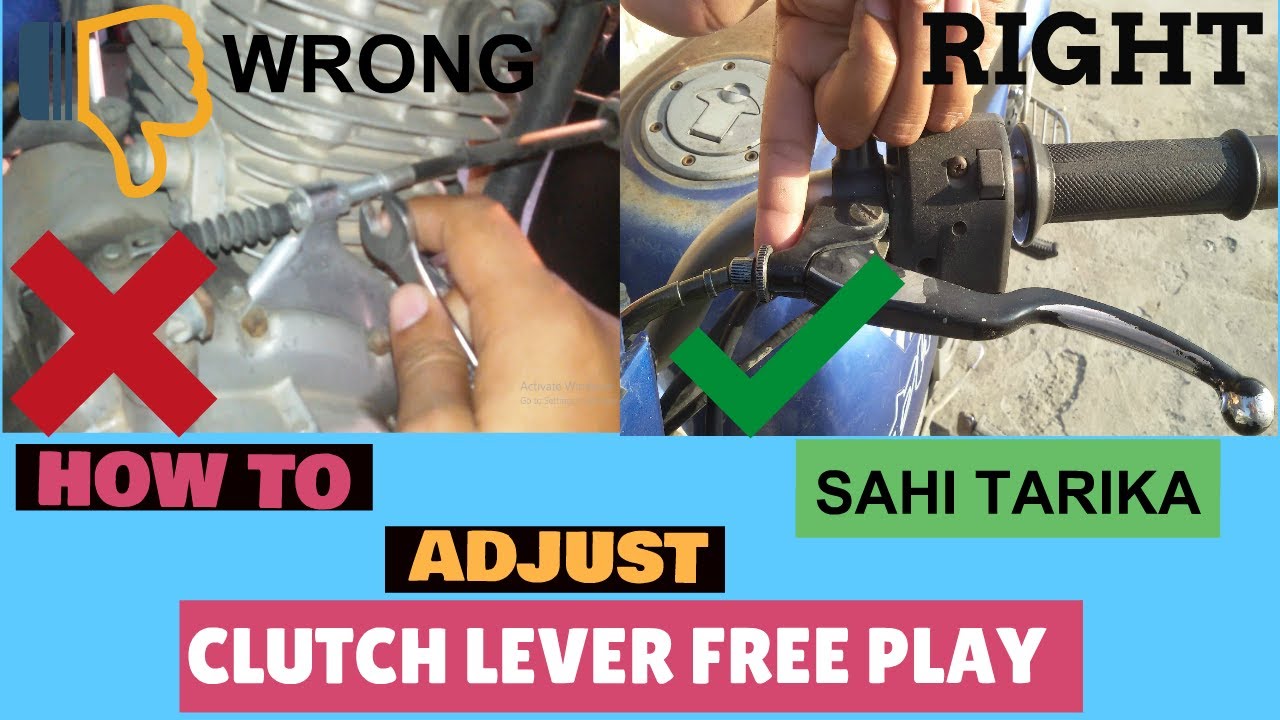
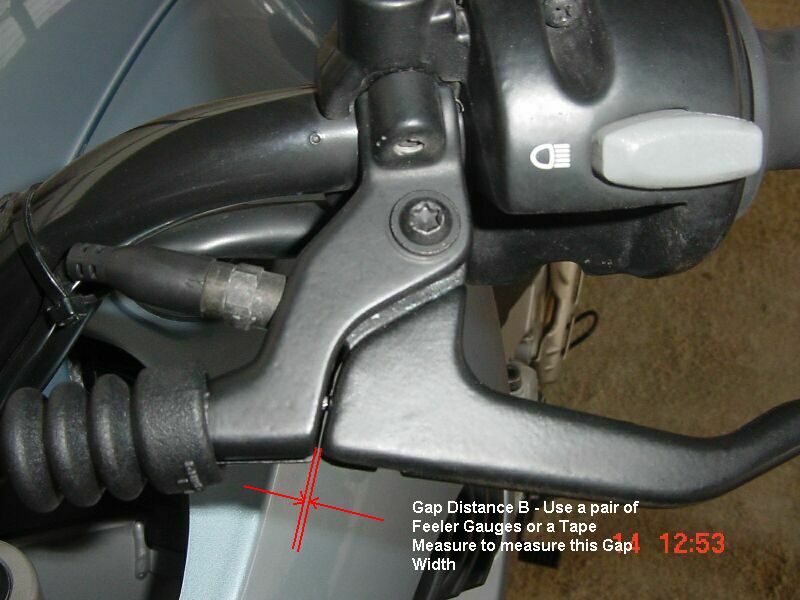
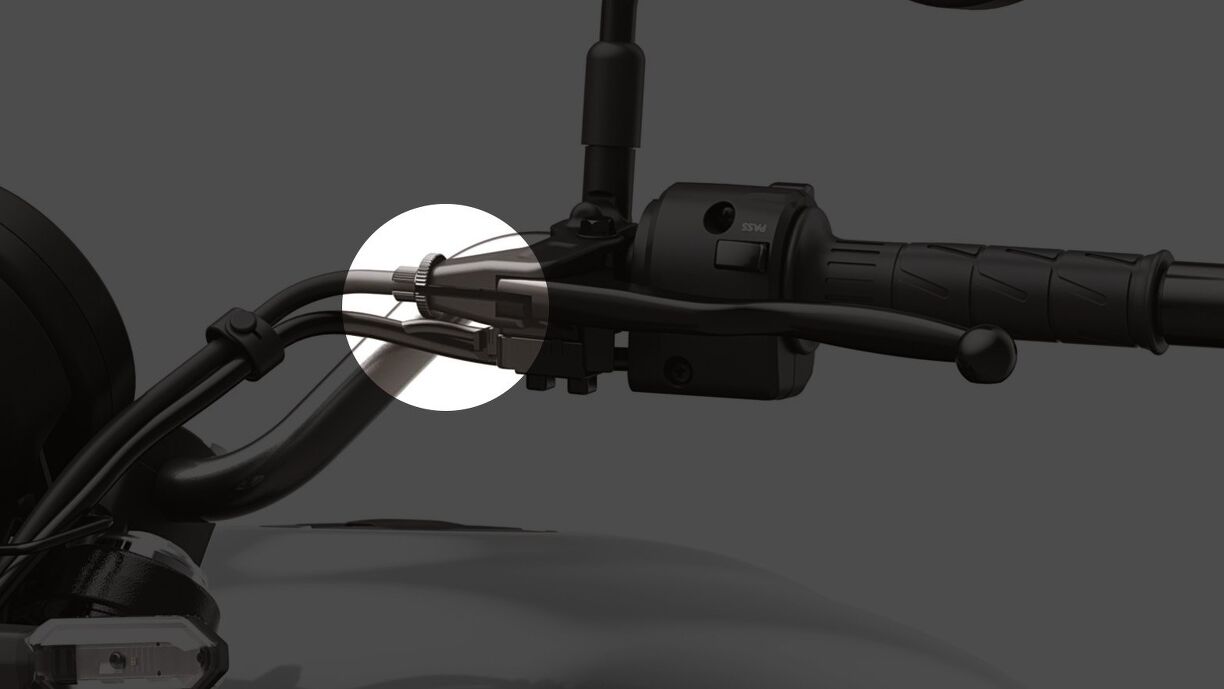
Now, the moment of truth. For a cable-actuated clutch, locate the adjuster near the lever or perch. Loosen the locknut, then turn the adjuster until the free play at the lever is about 1/8 to 1/4 inch. Too much free play, and the clutch drags like a reluctant partner. Too little, and it slips like a greased pig. Test it by pulling the lever—it should engage smoothly, without resistance or hesitation.
Hydraulic clutches demand a different approach. Here, the adjuster lives at the master cylinder or slave cylinder. Turn it incrementally, then check the lever’s throw. The goal? A lever that moves about halfway through its travel before the clutch begins to disengage. If the lever bottoms out before engagement, you’ve got air in the system—a silent saboteur. Bleed the lines until the lever feels firm and responsive, like the grip of a trusted handshake.
The Fine Art of Fine-Tuning: Dialing in the Engagement Point
Adjusting the clutch isn’t a one-and-done deal. It’s an iterative dance, a back-and-forth between rider and machine. Start by finding the engagement point—the exact moment the clutch begins to transmit power. Ride in first gear, gently rolling off the throttle while pulling the clutch lever. Note where the bike starts to slow. That’s your engagement point. If it’s too high, you’ll stall. Too low, and you’ll burn rubber like a drag racer.
Now, adjust the clutch to bring that engagement point to where you want it. On a chopper, this is personal. Some riders prefer a light touch, a feather’s weight on the lever. Others crave a firmer resistance, a tactile feedback that grounds them in the ride. Experiment. Ride. Feel. The perfect engagement point is where the chopper responds to your touch like a well-trained stallion—eager but controlled, powerful but obedient.
Common Pitfalls and How to Avoid Them
Even the most seasoned chopper riders stumble. The most common mistake? Over-tightening the clutch. A clutch that’s too tight is a clutch that’s begging to slip, its friction material worn thin by relentless clamping. Listen for the telltale squeal of a slipping clutch—it’s the sound of your chopper crying out in distress. If you hear it, back off the adjuster immediately.
Another pitfall? Ignoring the cable. Cables stretch over time, their fibers fraying like an old rope. A stretched cable leads to inconsistent engagement, a chopper that feels like it’s fighting you. Replace it before it snaps, and lubricate it regularly to keep it supple. Hydraulic systems aren’t immune to issues either. Air in the lines is a silent killer, causing spongy lever feel and erratic engagement. Bleed the system religiously, and check for leaks like a detective hunting for clues.
The Reward: A Clutch That Feels Like an Extension of You
When you finally nail the adjustment, it’s like the first time you ride a chopper that’s been perfectly dialed in—effortless, intuitive, alive. The clutch responds to your touch with the precision of a surgeon’s scalpel, the power transferring seamlessly from engine to wheel. No jerks. No stalls. Just pure, unadulterated control. It’s not just about performance; it’s about the connection. A well-adjusted clutch turns your chopper from a machine into a partner, a mechanical confidant that understands your every command.
And that, dear rider, is the true magic of custom motorcycling. It’s not just about the miles you cover or the speed you achieve. It’s about the harmony you create—the way your chopper becomes an extension of your will, a silent ally in the dance of the open road. Adjust your clutch right, and you’re not just riding a bike. You’re conducting a symphony.