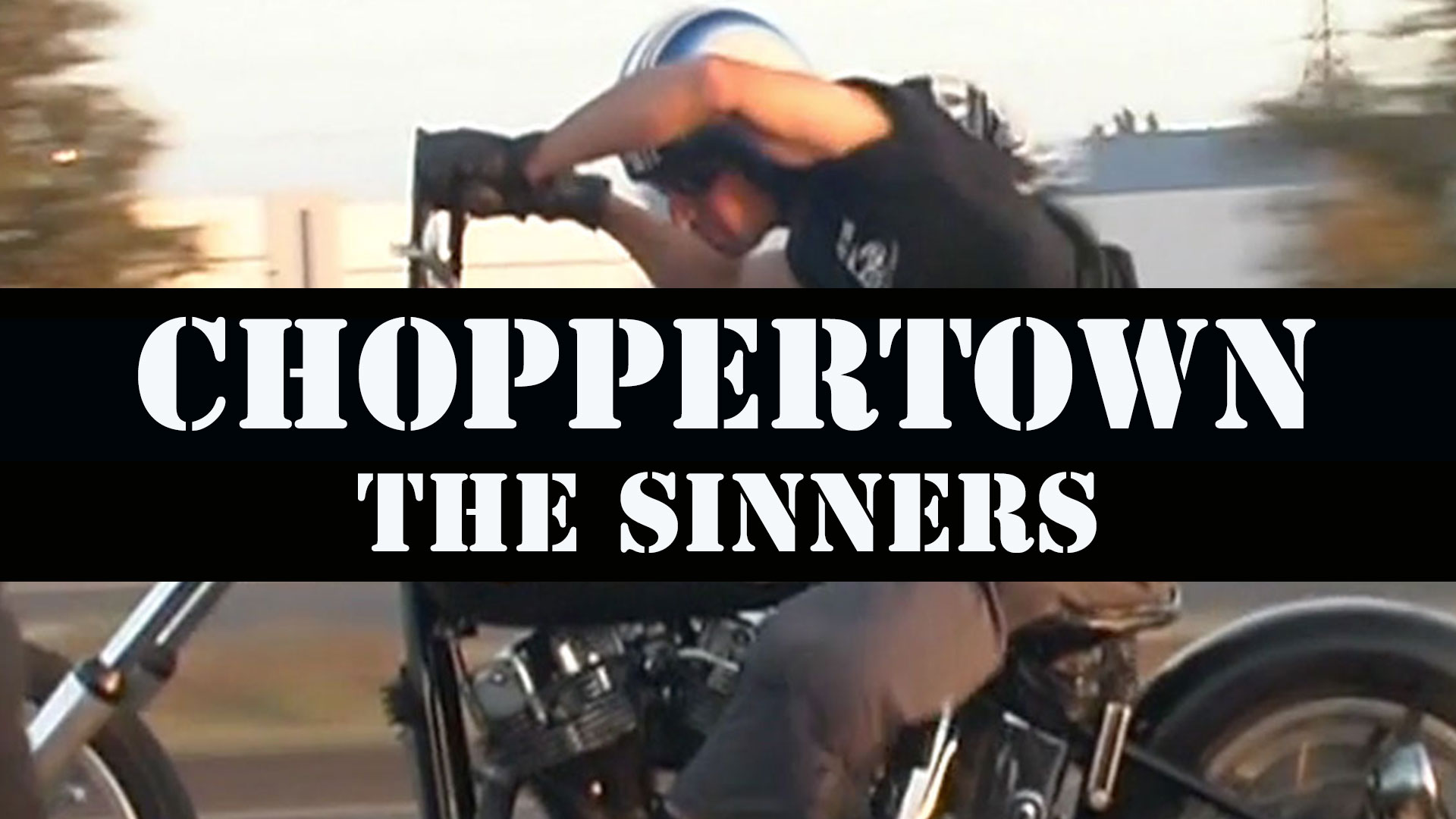
What happens when the raw, unfiltered spirit of skateboarding collides with the gritty, unapologetic energy of hip-hop? The answer unfolds in Choppertown: The Sinners, a documentary that doesn’t just chronicle a subculture—it immerses you in its chaotic heartbeat. Directed with a cinematic verve that feels like a love letter to rebellion, this film dares to ask: Can skateboarding’s soul survive when it’s co-opted by the mainstream? The tension between authenticity and commercialization pulses through every frame, making The Sinners more than a documentary—it’s a manifesto for the misfits who refuse to be tamed.
The Canvas of Chaos: Skateboarding’s Unruly Artistry
Skateboarding has never been just a sport; it’s a language of defiance, a visual symphony of concrete and creativity. Choppertown: The Sinners captures this essence with a rawness that feels almost tactile. The film’s visual storytelling doesn’t just show skateboarders—it lets you feel the friction of wheels on pavement, the adrenaline of a perfect kickflip, the bruises of a failed trick. The documentary’s cinematography is a masterclass in kinetic energy, using slow-motion shots to turn a simple ollie into a ballet of controlled chaos.
But here’s the twist: The Sinners isn’t just about the tricks. It’s about the people behind them—the artists, the outcasts, the ones who treat skateboarding like a religion. The film dives into the subculture’s history, tracing how a rebellious pastime became a global phenomenon. Yet, it never loses sight of the rebellious spark that ignited it all. The question lingers: In a world where skateboarding is now a billion-dollar industry, can its soul remain untouched by the machinery of commerce?

The Soundtrack of Defiance: Hip-Hop’s Marriage with Skate Culture
If skateboarding is the visual poetry of rebellion, hip-hop is its sonic counterpart. Choppertown: The Sinners weaves these two worlds together with a soundtrack that crackles with energy. The film doesn’t just play music in the background—it uses it as a narrative device, syncing beats to the rhythm of skateboarders’ movements. The result? A sensory experience that feels like riding the wave of a perfect storm.
But the documentary doesn’t shy away from the complexities of this fusion. It explores how hip-hop’s rise paralleled skateboarding’s evolution, creating a symbiotic relationship where both art forms fed off each other’s rebellious spirit. Yet, it also poses a challenge: As hip-hop has become mainstream, has it diluted the raw edge that once made it revolutionary? The Sinners doesn’t provide easy answers, but it forces you to confront the tension between staying true to your roots and embracing the spotlight.
The film’s soundtrack isn’t just a collection of tracks—it’s a character in its own right. From the boom-bap beats of golden-era hip-hop to the modern trap anthems that now dominate the airwaves, the music serves as a time capsule of skate culture’s evolution. It’s a reminder that skateboarding and hip-hop were never just hobbies; they were lifelines for those who refused to conform.
The Faces of Rebellion: Interviews That Breathe Life into the Story
A documentary is only as powerful as the voices it amplifies, and Choppertown: The Sinners excels in this arena. The film features interviews with skateboarders, musicians, and industry insiders who share their personal journeys with a candor that’s both refreshing and heart-wrenching. These aren’t just talking heads—they’re storytellers, each with a unique perspective on what it means to be a part of this culture.
One of the most compelling segments follows a legendary skateboarder who reflects on the early days of the sport, when it was a secret language spoken only by the initiated. Their words carry the weight of nostalgia, but also a warning: “We didn’t do it for the money. We did it because we had to.” This sentiment echoes throughout the film, a reminder that skateboarding was never about fame—it was about freedom.
The documentary also shines a light on the unsung heroes of the scene—the photographers, the filmmakers, the DJs—who helped shape skate culture into what it is today. Their stories add depth to the narrative, showing how a movement is built not just by the athletes, but by the entire ecosystem of creators who believe in its power.
The Commercialization Conundrum: Can Rebellion Be Monetized?
Here’s where Choppertown: The Sinners truly flexes its intellectual muscles. The documentary doesn’t just celebrate skate culture—it interrogates it. As skateboarding has grown into a multi-billion-dollar industry, the film asks a provocative question: Has commercialization killed the rebellious spirit that birthed it? The answer isn’t black and white, and the documentary doesn’t pretend it is.
On one hand, the film acknowledges the opportunities that come with mainstream success. Sponsorships, global competitions, and viral moments have given skateboarders a platform they never had before. But on the other hand, it highlights the erosion of authenticity. When every trick is monetized, when every skater is a brand ambassador, does the soul of the sport get lost in the shuffle?
The documentary doesn’t shy away from the irony: The same corporations that once dismissed skateboarders as troublemakers now court them as influencers. It’s a bittersweet reality, and The Sinners captures it with a nuance that’s rare in sports documentaries. The film doesn’t offer solutions—it invites you to grapple with the dilemma alongside its subjects.
The Legacy of Defiance: Why The Sinners Matters
At its core, Choppertown: The Sinners is a love letter to the misfits, the rule-breakers, and the dreamers who refuse to play by the rules. It’s a reminder that skateboarding—and by extension, hip-hop—was never meant to be tamed. The documentary’s greatest strength is its refusal to romanticize the past. It doesn’t sugarcoat the challenges of staying true to your roots in a world that’s constantly trying to commodify them.
But perhaps the most powerful takeaway is this: Rebellion isn’t a phase. It’s a way of life. Whether you’re a skateboarder, a musician, or just someone who’s ever felt like an outsider, The Sinners speaks to the part of you that refuses to conform. It’s a call to arms for anyone who’s ever been told they don’t belong—and a celebration of those who turned their outsider status into a superpower.
So, as you watch Choppertown: The Sinners, ask yourself: What’s your rebellion? And more importantly, what are you willing to sacrifice to keep it alive?