The chopper bike is more than just a machine—it’s a rolling manifesto of rebellion, a sculpted ode to freedom that whispers tales of open roads and unshackled spirit. In California, where the asphalt hums with the dreams of dreamers and the chrome gleams under the golden sun, a custom-built chopper isn’t merely assembled; it’s forged in the crucible of passion, patience, and precision. But before this mechanical masterpiece can roar to life on the highways of the Golden State, it must pass through the bureaucratic baptism of registration with the California Bureau of Automotive Repair (BAR). This isn’t just paperwork—it’s the final stamp of legitimacy on a two-wheeled revolution. Here’s how to navigate the labyrinth of laws, inspections, and paperwork to give your chopper the identity it deserves.
The Chopper as Canvas: Understanding Your Rolling Artwork
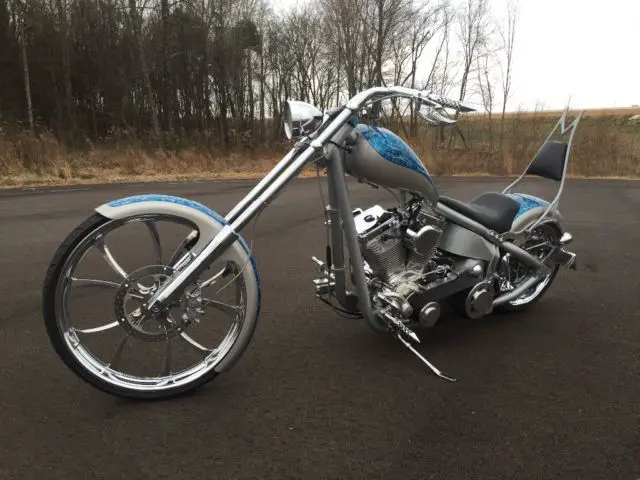
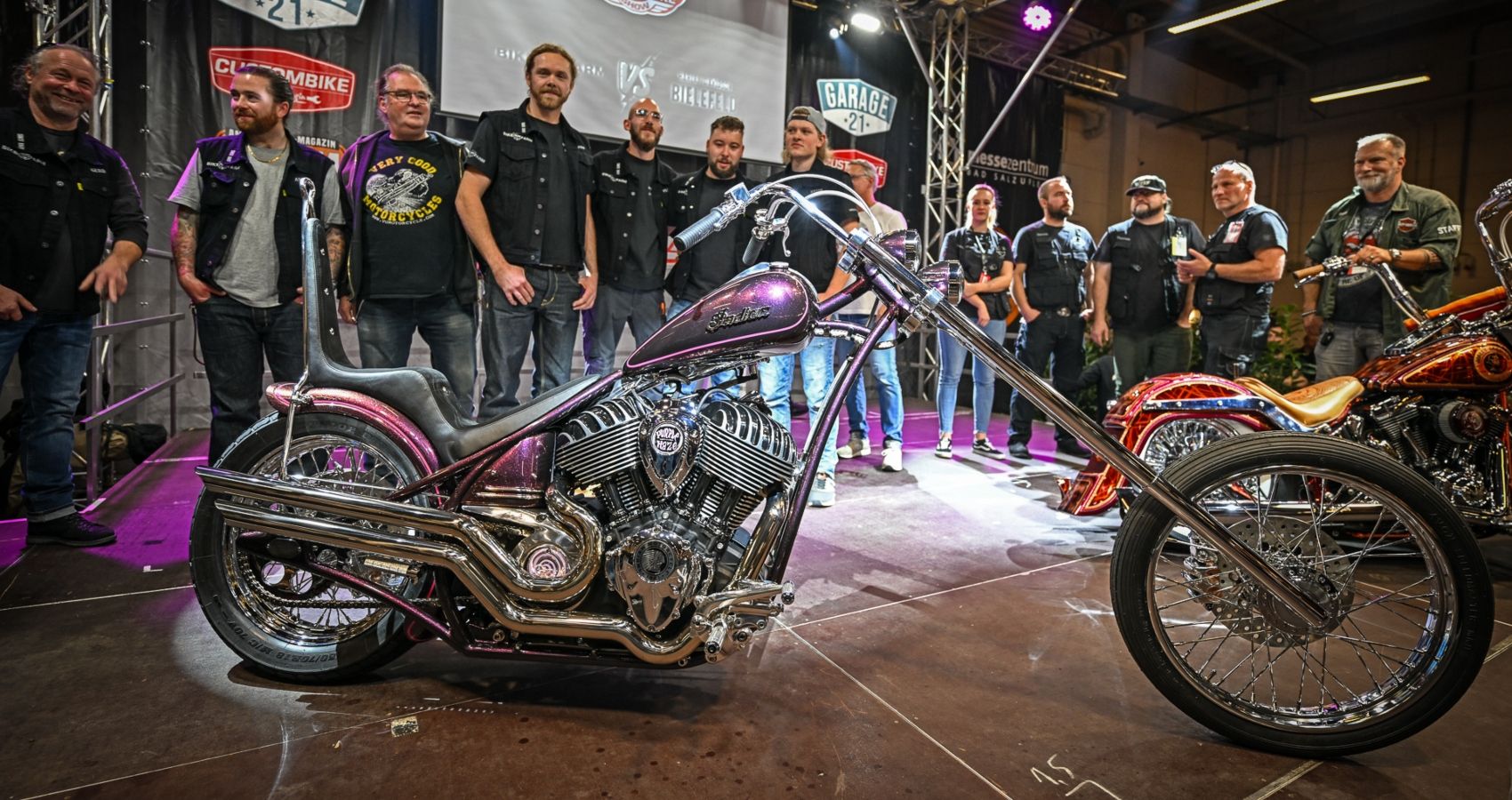
A chopper is a rolling sculpture, a fusion of raw power and aesthetic audacity. Its elongated frame stretches like the spine of a mythical beast, its handlebars jutting forward like the horns of a mechanical unicorn. Every weld, every curve, every bolt tells a story—of late nights in the garage, of blueprints sketched on napkins, of a vision that refused to be boxed into the mundane. But beneath its rebellious exterior lies a machine that must comply with the same fundamental rules as any other vehicle on California’s roads. The BAR doesn’t care about the artistry; it cares about safety, emissions, and legality. Yet, understanding your chopper as more than just a collection of parts is the first step in ensuring it meets the state’s standards without losing its soul.
Consider the chopper’s frame: a spine of steel that defies convention. In California, this frame must not only support the weight of the rider but also withstand the stresses of the road. The BAR requires that all vehicles, including choppers, have a VIN (Vehicle Identification Number) that is legible and matches the documentation. If your chopper is a true custom build, you may need to apply for a new VIN through the BAR, a process that involves proving the bike’s uniqueness and compliance with safety standards. This isn’t just bureaucracy—it’s the state’s way of ensuring that your rolling artwork doesn’t become a hazard on the highway.
Emissions and the Dance of Compliance
California’s air is as precious as its coastline, and the state’s emissions regulations are as strict as they are complex. A chopper, with its roaring engine and open exhaust, is a potential pollutant in the eyes of the law. But fear not—this isn’t a death sentence for your custom build. The BAR allows for certain exemptions, particularly for older or uniquely modified motorcycles. However, if your chopper is a modern marvel with a fuel-injected engine, it must meet the state’s stringent emissions standards. This often means installing a catalytic converter or ensuring your exhaust system is CARB (California Air Resources Board) compliant.
The process begins with a smog check, but not the kind you’d expect for a standard car. For choppers, the BAR may require a visual inspection of the exhaust system to confirm it meets emissions standards. If your bike is pre-1978, you’re in luck—California offers a rolling exemption for motorcycles built before this year, as they’re considered “historic” and exempt from modern emissions controls. For newer builds, however, the dance of compliance is more intricate. You may need to work with a BAR-certified inspector to ensure your chopper’s engine and exhaust system are up to snuff. It’s a delicate balance between preserving the chopper’s raw power and taming its environmental footprint.
The Inspection Gauntlet: Safety as the Ultimate Standard
Imagine your chopper as a knight’s steed, clad in gleaming armor and forged for battle. But even the mightiest steed must pass the king’s inspection before it can ride into the fray. The BAR’s safety inspection is where the rubber meets the road—or, in this case, where the tire meets the asphalt. Every component, from the brakes to the headlights, is scrutinized to ensure it meets California’s safety standards. This isn’t just about avoiding a ticket; it’s about ensuring that your chopper is as safe as it is stylish.
The inspection process begins with the basics: tires, brakes, and lighting. Your chopper’s tires must have sufficient tread depth and be free of cracks or bulges. The brakes must be functional and capable of stopping the bike safely. Headlights, taillights, and turn signals must be bright enough to be seen but not so blinding as to dazzle other drivers. If your chopper has a unique seating position or handlebar setup, the inspector may also check for ergonomic safety—ensuring that the rider’s posture doesn’t obstruct their view or control of the bike. And let’s not forget the mirrors: California law requires at least one rearview mirror, though two are recommended for optimal visibility.
But the inspection doesn’t stop at the visible. The BAR may also check the integrity of the frame, ensuring there are no cracks or weak points that could compromise the bike’s structural integrity. If your chopper has a custom suspension or a radically altered geometry, you may need to provide documentation proving that the modifications are safe and roadworthy. This is where the line between art and engineering blurs—your chopper must be both a masterpiece and a machine that won’t fail you on the open road.
Paperwork: The Alchemy of Legitimacy
If the chopper is the soul of your build, then the paperwork is the blood that gives it life in the eyes of the law. Without the right documents, your chopper is nothing more than a beautiful but illegal machine. The BAR requires a mountain of paperwork to register your custom build, and navigating this bureaucratic maze can feel like trying to assemble a chopper blindfolded. But fear not—with the right preparation, you can turn this ordeal into a mere pit stop on your journey to cruising the Pacific Coast Highway.
The process begins with the Application for Title or Registration (REG 343), a form that asks for every detail of your chopper, from its VIN to its engine displacement. If your chopper is a true custom build, you’ll need to provide a bill of sale or a notarized statement of ownership to prove that you’re the rightful creator of this mechanical marvel. You’ll also need to submit a Verification of Vehicle (REG 31) form, which is completed by a law enforcement officer or a BAR-certified inspector who confirms the bike’s identity and compliance with safety standards.
But the paperwork doesn’t end there. If your chopper has a non-standard frame or engine, you may need to provide additional documentation, such as engineering reports or photographs, to prove that the modifications are safe and roadworthy. The BAR may also require a smog certificate, even for older bikes, to ensure they meet emissions standards. And if you’re transferring a title from another state, you’ll need to navigate the complexities of interstate registration, which can feel like trying to parallel park a semi-truck.
The Final Crucible: Title and Plates
After months of welding, painting, and tweaking, after countless hours spent poring over blueprints and arguing with inspectors, the moment arrives: your chopper is finally legal. The BAR has stamped its approval, the paperwork is in order, and the title is in your hands. But the journey isn’t over yet. The final step is affixing the license plates to your chopper, a symbolic act that transforms your rolling artwork into a recognized entity on California’s roads.
The process of obtaining plates varies depending on whether your chopper is a new build or a transfer from another state. For new builds, you’ll need to visit a DMV office to submit your paperwork and pay the registration fees. The DMV will then issue you temporary plates, which you can use while waiting for your permanent plates to arrive in the mail. If you’re transferring plates from another state, you’ll need to provide the out-of-state title and registration, along with a completed Application for Title or Registration (REG 343). The DMV will then issue you new plates, often with a shiny new California design that marks your chopper as a true denizen of the Golden State.
But the plates are more than just a bureaucratic requirement—they’re a badge of honor. They signify that your chopper has passed the BAR’s rigorous standards and is now a legitimate part of California’s vehicular ecosystem. They’re the final piece of the puzzle, the last hurdle in your journey from garage dreamer to road warrior. And as you fire up the engine and roll out onto the open road, the wind in your face and the sun on your back, you’ll know that every mile you ride is a testament to your perseverance, your passion, and your commitment to the art of the chopper.
The chopper isn’t just a machine—it’s a statement. And now, thanks to the BAR’s stamp of approval, it’s a statement that can roar down the highways of California with pride.