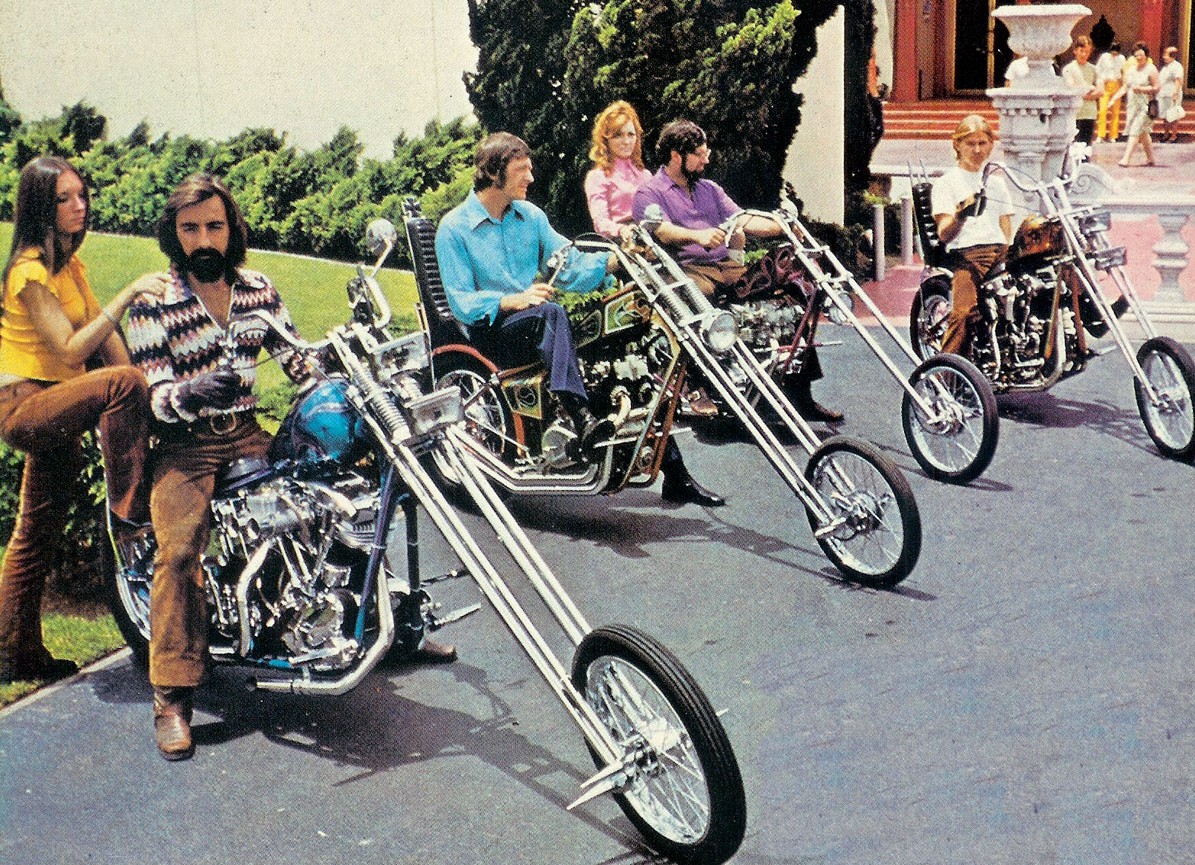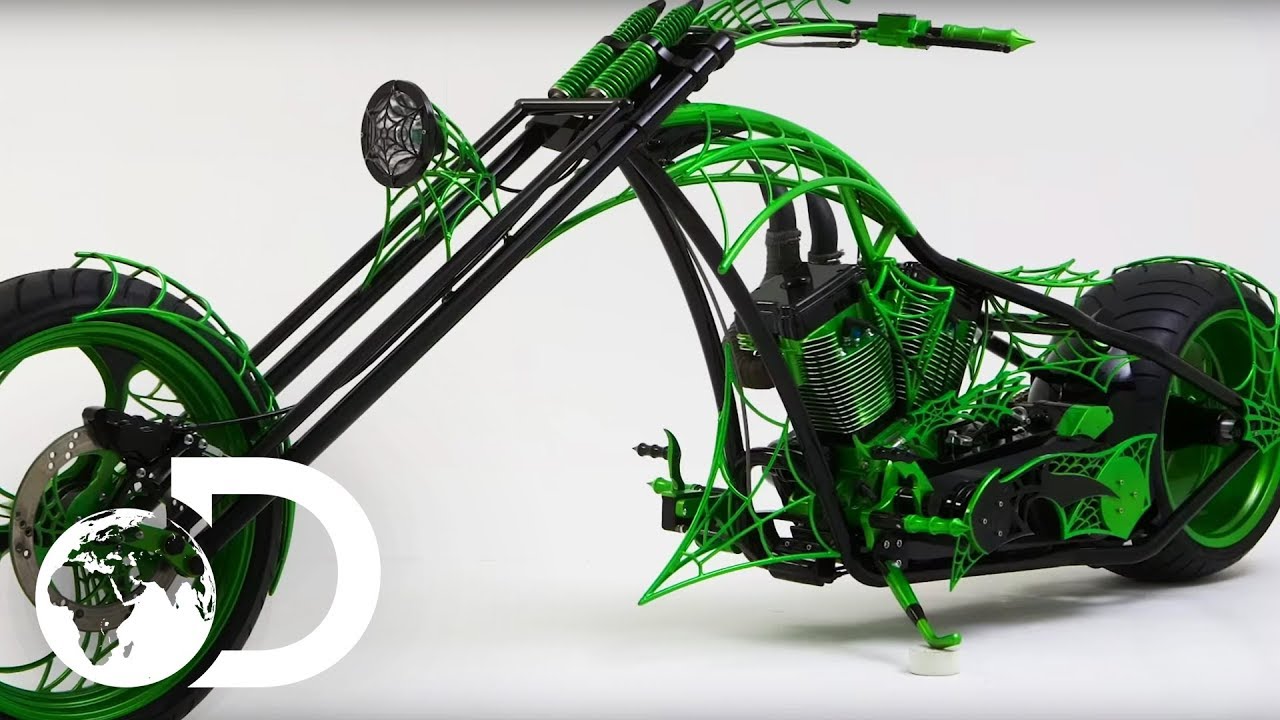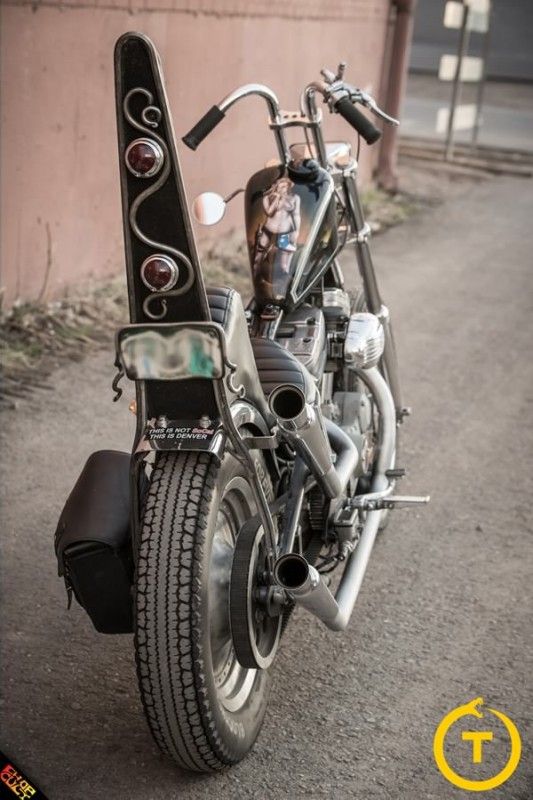
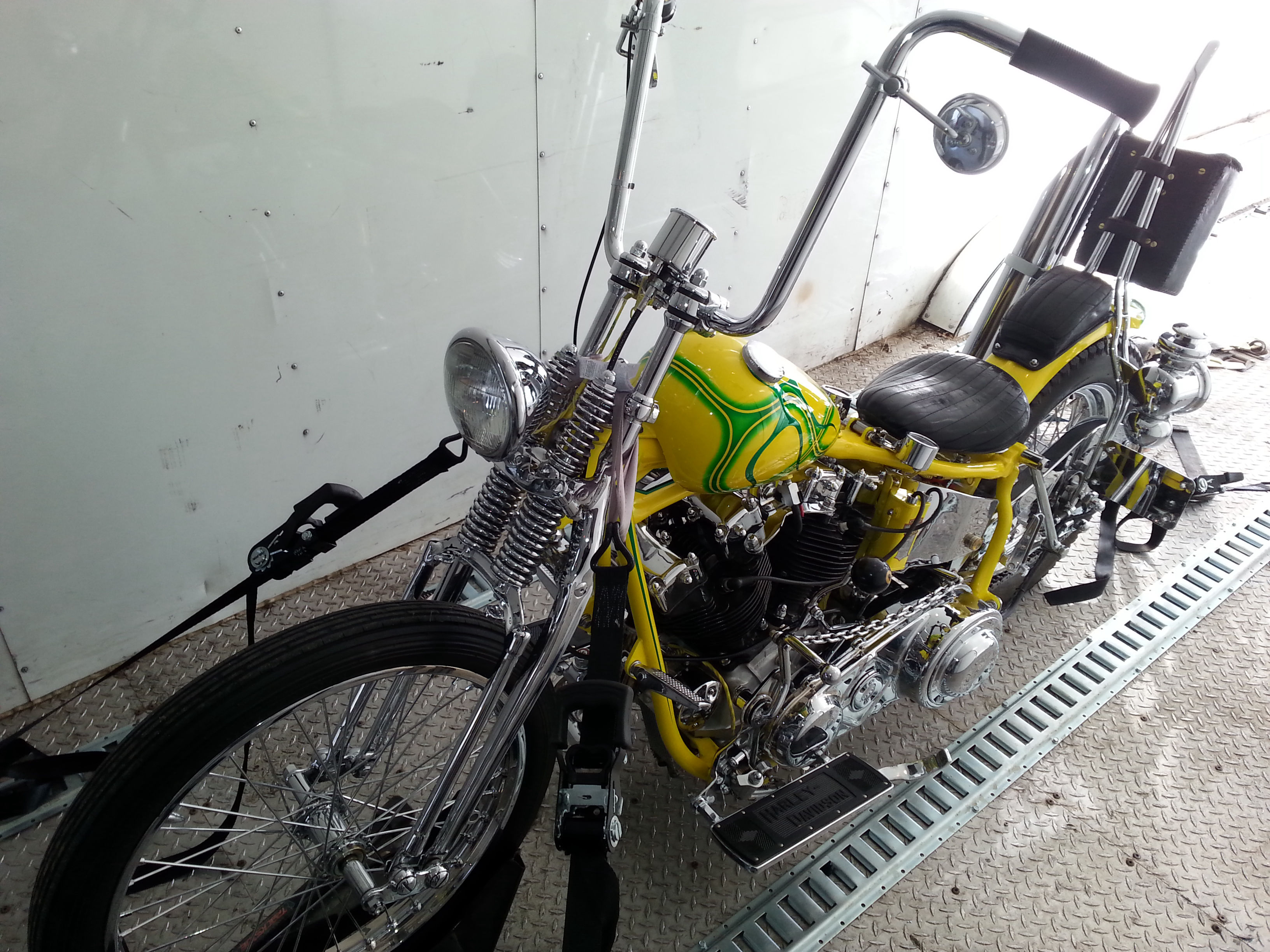
There’s something undeniably magnetic about a custom chopper motorcycle—its elongated forks, gleaming chrome, and the way it commands attention as it glides down the road. But when the open highway stretches between coasts, the thrill of ownership meets the logistical challenge: how do you transport a machine that’s as much art as it is transportation across thousands of miles? Shipping a custom chopper isn’t just about moving metal; it’s about preserving the soul of a build meticulously crafted over countless hours. Whether you’re relocating for a new chapter, selling your masterpiece, or simply chasing the next horizon, the journey your chopper takes should be as revered as the machine itself. This guide isn’t just a checklist—it’s a roadmap to ensuring your two-wheeled pride arrives not just intact, but in the same roaring, head-turning glory it left in.
The Allure of the Open Road—and the Pitfalls of Distance
Custom choppers are born from rebellion, creativity, and an unyielding pursuit of individuality. They’re not just vehicles; they’re rolling declarations of freedom, each curve of the handlebars and contour of the tank telling a story. Yet, the moment you decide to ship one across the country, you’re confronted with a paradox: the very freedom these bikes embody is temporarily suspended by the constraints of logistics. Distance amplifies every concern—from the risk of road rash on the highway to the vulnerability of a one-of-a-kind frame crammed between generic cargo. The deeper fascination here isn’t just in the act of shipping; it’s in the tension between preserving the essence of your chopper and navigating the cold, impersonal machinery of transportation. How do you ensure that the bike arriving at its destination is the same machine that left your garage, down to the last polished bolt?
Choosing Your Steed of Transportation: Enclosed vs. Open Transport
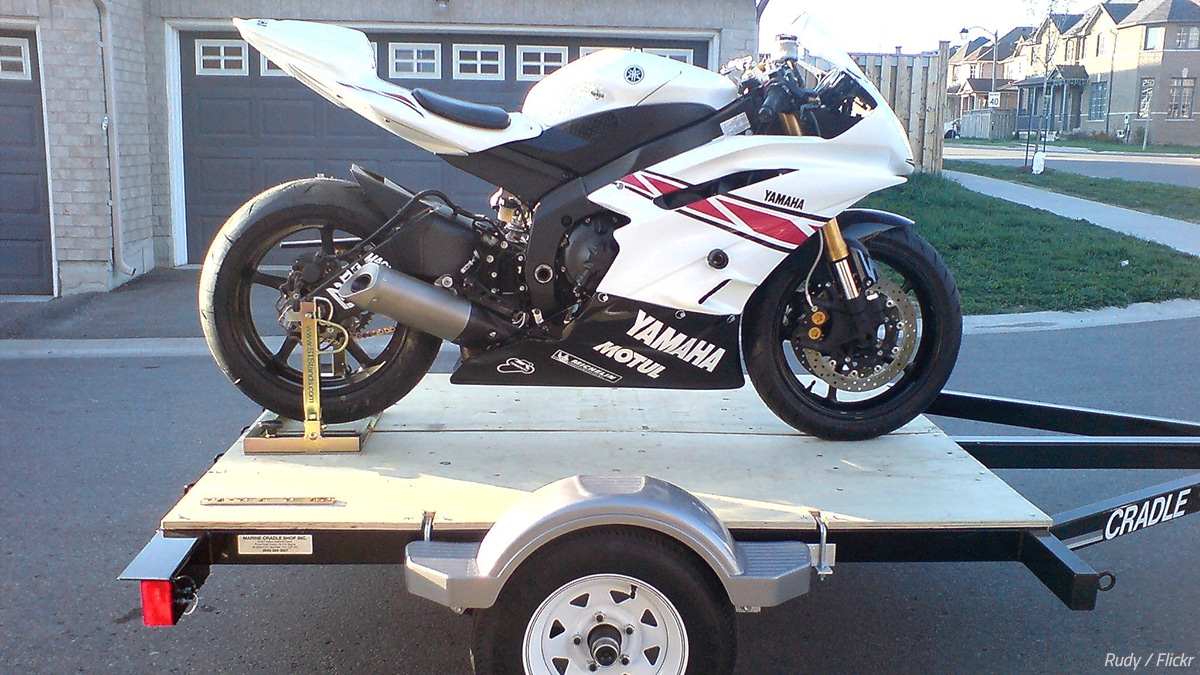
The first fork in the road is the most critical: enclosed or open transport? Enclosed shipping is the crème de la crème of motorcycle transport, offering a climate-controlled sanctuary where your chopper is cocooned from the elements, road debris, and prying eyes. It’s ideal for high-value, custom builds where even a single scratch could mar the perfection of the paint or the integrity of the frame. Open transport, while more economical, exposes your bike to the whims of weather, highway grime, and the occasional careless driver sharing the road with your prized possession. For a custom chopper, the choice often boils down to a simple equation: the cost of potential damage versus the premium of peace of mind. Enclosed transport isn’t just a luxury—it’s an investment in the longevity of your bike’s pristine condition.
The Art of Preparation: Ensuring Your Chopper is Shipment-Ready
Shipping a custom chopper begins long before the transport truck arrives. It’s a meticulous process of stripping, securing, and documenting—each step a testament to the care you’ve poured into your build. Start by draining fluids: oil, fuel, and coolant must be reduced to minimal levels to prevent leaks and spills during transit. Remove any detachable components—saddlebags, mirrors, or custom exhausts—and pack them separately to avoid damage or loss. Batteries should be disconnected, and tires inflated to the manufacturer’s recommended pressure to prevent flat spots. But the most overlooked step? Documentation. Photograph every angle of your chopper, noting any existing scratches, dents, or imperfections. This isn’t just for insurance claims—it’s your bargaining chip if the transport company attempts to pin pre-existing damage on their watch.

Navigating the Maze: Selecting the Right Transport Partner
Not all transport companies are created equal, especially when it comes to handling a custom chopper. The ideal partner is one that treats your bike like the crown jewel it is. Look for carriers with a proven track record in motorcycle shipping, particularly those specializing in high-end or custom builds. Check their insurance coverage—does it account for the full value of your chopper, including custom modifications? Read reviews from fellow riders, paying close attention to feedback about handling and care. A reputable company will offer real-time tracking, transparent pricing, and a dedicated point of contact to address your concerns. Remember, the cheapest option isn’t always the best. When it comes to your chopper, you’re not just paying for transportation—you’re paying for the assurance that your bike will arrive in the same showroom-worthy condition it left in.
The Human Element: Communication and Trust in Transit
Behind every successful shipment is a web of communication—yours with the transport company, theirs with their drivers, and the drivers’ vigilance on the road. A good transport partner will keep you updated at every stage, from pickup to delivery, and provide a direct line to someone who can answer your questions. But communication isn’t just about updates; it’s about building trust. Ask about the driver’s experience with custom choppers. How do they secure a bike with a low-slung frame? What measures do they take to prevent shifting during transit? The best drivers are those who understand the nuances of your machine, treating it with the same reverence you would. This human touch is what transforms a transaction into a partnership—one where your chopper’s journey is as important as its destination.
Beyond the Delivery: The First Inspection and What Comes Next
The moment your chopper arrives, resist the urge to rev the engine immediately. Instead, conduct a thorough inspection. Compare the bike’s condition to your pre-shipment photos, checking for any new scratches, dings, or mechanical issues. Test the brakes, lights, and suspension to ensure nothing was jostled loose during transit. If you spot any discrepancies, document them immediately and notify the transport company. This isn’t just about accountability—it’s about ensuring that any issues are addressed before they become long-term problems. Once you’ve given your chopper the all-clear, it’s time to reintroduce it to the world. Whether you’re reuniting with it after a long journey or presenting it to a new owner, the first ride should feel like a celebration—a reminder that the road, no matter how long, is always worth the trip.