Have you ever stumbled upon an old motorcycle at a flea market or in a dusty garage and wondered if it might be worth more than you think? It’s a tantalizing thought, isn’t it? Many presume that only sleek, modern superbikes or pristine collector’s editions fetch sky-high prices. But the fascinating truth is that numerous vintage motorcycles, long overlooked and underestimated, harbor hidden values that outshine even some supercars. What if that seemingly humble relic in your backyard could eclipse the worth of a luxury sports car? Let’s embark on a journey through the intriguing world of old motorcycles that defy expectations with their unexpected worth.
To begin with, the allure of vintage motorcycles doesn’t merely rest on their age. It’s a symphony of rarity, craftsmanship, provenance, and historical significance that crafts their exceptional market value. Vintage bikes tell stories etched in metal and leather—narratives capturing the spirit of bygone eras, engineering marvels of their times, and cultural icons that have influenced generations. Take, for example, models like the Vincent Black Shadow or the Brough Superior; not only are they exquisitely engineered, but they also represent transformative milestones in motorcycle history. Such machines transcend utility, becoming coveted artifacts whose value continuously appreciates.
But what makes some old motorcycles worth more than modern supercars? The answer often lies in scarcity and legacy. Imagine a motorcycle crafted in the 1920s but preserved perfectly, or perhaps restored meticulously to its original glory. Every bolt and every paint stroke embodies meticulous care. These machines often exist in limited numbers, with many lost to time, weather, or misfortune. Thus, the rarer the bike, the more it becomes a treasure in the eyes of collectors and aficionados.
Take the example of the Norton’s Manx racing motorcycles. These bikes were at the forefront of racing technology in the mid-20th century, and their performance and design prowess made them legends on the track. Today, their rarity and historical eminence elevate their worth exponentially. Owning such a motorcycle is akin to possessing a piece of motorcycling heritage, a tangible connection to the exhilarating rush of vintage Grand Prix racing. This intrinsic connection to motorsport history provides these motorcycles with a market value that rivals, and often surpasses, million-dollar exotic cars.
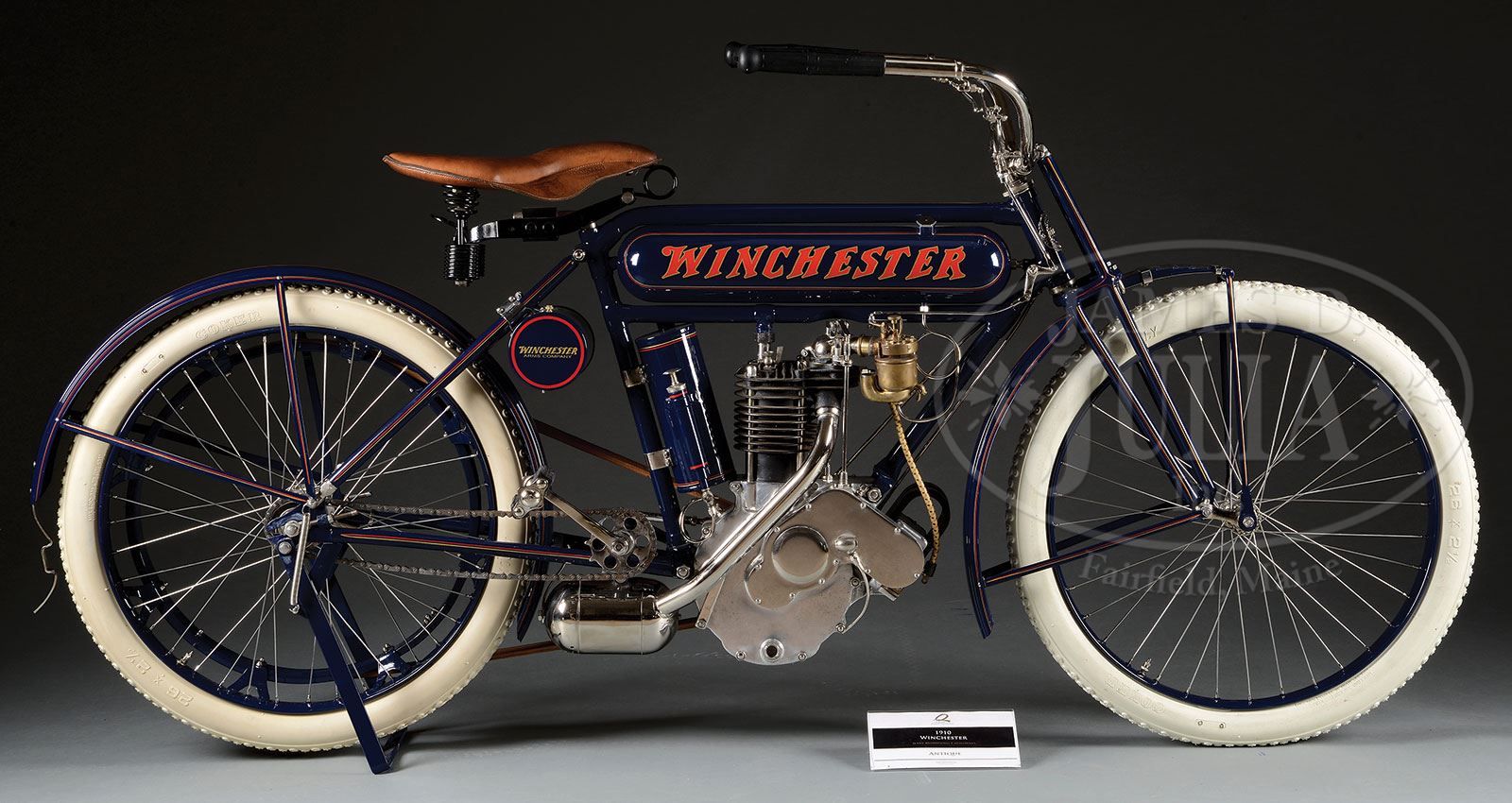
Beyond racing pedigree, the craftsmanship and distinctive design aesthetics of older motorcycles greatly contribute to their value. Before mass production took hold, many motorcycles were hand-assembled, with artisans dedicating hours to perfecting each component. The result? Machines imbued with an element of the sublime—a marriage of functionality and artistry that modern manufacturing sometimes lacks. Consider the gleaming chrome, the hand-stitched leather seats, the intricate engine carvings, and the artful balance between form and function. As time passes, such craftsmanship becomes increasingly rare and, consequently, more desirable.
Perhaps you’ve encountered a 1950s-era Italian motorcycle—impressively styled, lightweight, and packed with character. Brands like Ducati, Moto Guzzi, and Benelli produced models that not only perform but also captivate onlookers with their Italian finesse. Some of these rarely seen gems have skyrocketed in value, particularly when accompanied by original documentation and maintenance records. It’s often said that the provenance—the history and chain of ownership—can dramatically influence a vintage bike’s price. A storied past can transform a machine from an antique into a legend.
Another fascinating facet is that some vintage motorcycles carry unique mechanical innovations that were ahead of their time. Early experiments with frame dynamics, suspension systems, or engine configurations often resurface in these older machines. The underlying technology, although rudimentary by modern standards, laid the groundwork for contemporary superbikes. For mechanical enthusiasts and collectors alike, this makes these motorcycles not just valuable but vital pieces in the evolution of motorcycling technology. Investing in such a bike is akin to securing a chapter of engineering ingenuity.
Furthermore, cultural nostalgia plays a surprisingly significant role in the valuation of old motorcycles. Think about the iconic motorcycles featured in cinema or owned by famous personalities. These machines often become symbols of an entire generation’s dreams and aspirations. For instance, the Triumph Bonneville, immortalized in countless films, embodies the spirit of rebellion and freedom. For enthusiasts who grew up watching these motorcycles roar across the silver screen, owning such a machine is the ultimate expression of passion—and that passion drives up the price.
But the world of vintage motorcycle valuation isn’t without its challenges. Authenticity is paramount. How can one verify that a motorcycle is truly an original and not a clever replica? Well, it often involves meticulous cross-referencing of serial numbers, factory stamps, and parts catalogs—a process that requires patience, expertise, and sometimes a fair bit of detective work. The challenge adds a layer of excitement but also means that potential buyers should approach these transactions with caution and knowledgeable counsel.
Moreover, condition matters profoundly but does not always mean “perfect.” Some collectors prefer motorcycles with an untouched patina—signs of wear, usage, and age that attest to the machine’s real-life journey. This “sympathetic imperfection” can elevate a motorcycle’s value by offering an authentic, lived-in feel that polished restorations sometimes lack. In essence, not all vintage riders need be pristine showroom specimens; some derive their charm and worth from their storied imperfections.
Imagine the thrill of stumbling upon a tucked-away motorcycle from the 1940s or 1950s, knowing full well that its true value might astonish even experienced collectors. This prospect poses a playful challenge: could your forgotten motorcycle be the next hidden gem, waiting patiently to be rediscovered and appreciated? The idea invites enthusiasts and casual observers alike to look beyond appearances and question assumptions. It beckons prospective buyers and sellers to delve deeper, to research diligently, and to embrace the stories that old motorcycles have to tell.
Ultimately, the market for old motorcycles that exceed expectations in worth speaks volumes about our evolving relationship with machines, memory, and culture. These motorcycles are not just mode of transportation; they are artful relics, historical documents, and cherished companions of bygone days. Their worth, often cloaked in obscurity, challenges conventional wisdom and rewards curiosity. So next time you see that vintage bike leaning quietly in a corner, ask yourself—could this be more than just an old motorcycle? The answer, more often than not, is an emphatic yes.