What is it about the Suzuki Bandit 1200 that continues to captivate riders, even decades after its initial release? In an era where motorcycles rapidly evolve and newer models boast cutting-edge technology, why does this steadfast machine maintain its devoted following? The answer lies in a compelling synthesis of specs, performance, and an enduring character that challenges the modern rush for transient novelty.
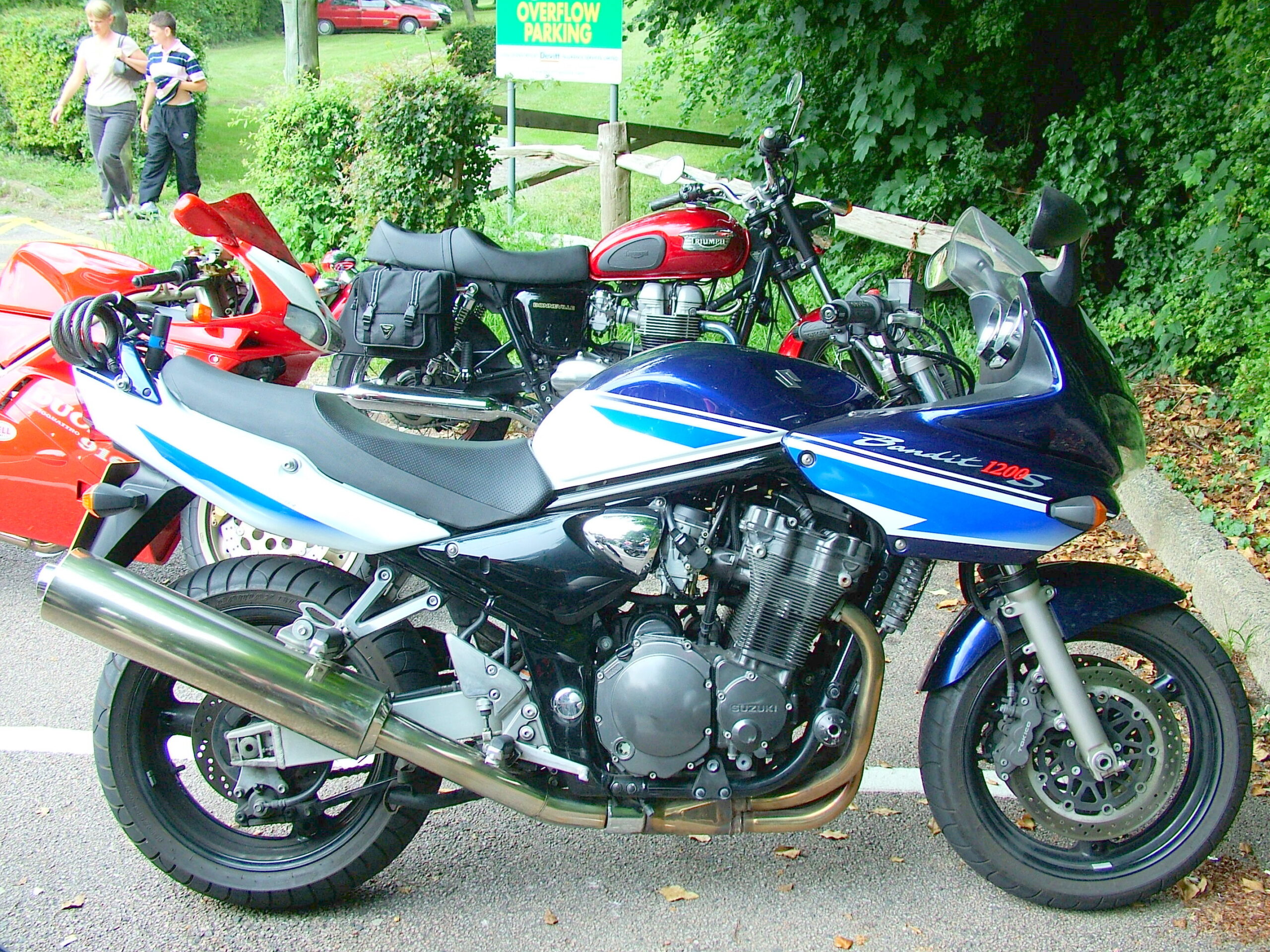
Underneath its robust exterior, the heart of the Bandit 1200 is a testament to Suzuki’s engineering prowess. Its 1,157cc inline-four engine embodies a powerful yet manageable blend of torque and horsepower. This engine employs air and oil cooling, a somewhat archaic system by today’s liquid-cooled standards, yet it renders the bike remarkably reliable and easier to maintain. The engine’s displacement offers an ample mid-range rush without overwhelming the rider—perfect for those who crave spirited rides but prefer a machine that remains user-friendly.
The Bandit 1200’s four-stroke, DOHC (double overhead camshaft) configuration enables brisk throttle response and a linear power delivery curve. This means riders enjoy smooth acceleration and predictable handling whether carving tight urban corridors or cruising open highways. Delivering around 98 horsepower and a torque figure peaking near 75 lb-ft, the Bandit combines vigor with versatility in a way that engages both novice and seasoned motorcyclists.
Yet, raw power is only part of the equation. The chassis design is integral to why the Bandit 1200 still commands respect. It boasts a steel double-cradle frame that strikes a perfect balance between rigidity and compliance. This frame, paired with its precise suspension setup—telescopic front forks and adjustable rear shock absorbers—ensures composure over uneven surfaces and spirited cornering alike. The suspension tuning might not mimic the laser-sharp precision of modern sportbikes, but it offers a ride quality that is forgiving and confidence-inspiring.
Another defining trait is its sizeable presence paired with ergonomic sensibilities. The Bandit 1200 is known for a comfortable, upright riding posture supported by wide handlebars and a generously padded seat. This combination mitigates rider fatigue, allowing for long-distance journeys without requiring frequent breaks. The motorcycle essentially invites endurance riding while maintaining an agile footprint in traffic-clogged environments.
While electronic aids on contemporary motorcycles have surged—from ABS to traction control—the Bandit 1200 embraced a more analog approach that some riders find refreshingly primal. It offers mechanical simplicity, devoid of overcomplicated electronics that can sometimes deter riders who prefer a direct, unfiltered connection between machine and rider. The challenge, then, is in mastering the Bandit’s rawer nature, which can transform the riding experience into a rewarding, tactile endeavor rather than a digitally mediated one.
Braking involves dual hydraulic disc brakes at the front and a single disc at the rear, providing solid stopping power. Although not equipped with ABS in its original iterations, this braking system remains effective for everyday riding conditions. The Bandit’s weight—ranging near the 500-pound mark—coupled with braking performance demands respect and attentiveness, encouraging riders to hone their skills and avoid complacency.
In terms of aesthetics, the Bandit 1200’s design epitomizes the transitional era of the late 1990s and early 2000s. It exudes a rugged, muscular demeanor accented by a half-faired bodywork that strikes a harmonious balance between sportiness and practicality. The half-fairing reduces wind buffeting, shading the rider just enough to improve comfort on extended rides. This styling is both timeless and functional, contributing to the Bandit’s enduring appeal.
Fuel efficiency, surprisingly respectable for its class and displacement, is another highlight. Averaging in the low to mid 40s miles per gallon, depending on riding style, the Bandit offers a level of economy that challenges expectations for a nearly liter-class naked bike. Coupled with a fuel tank capacity hovering around 5 gallons, this enables riders to venture substantial distances between refueling stops—a practical note for touring enthusiasts.
Practicality extends beyond the fuel system. The Bandit 1200’s aftermarket support is prodigious; with countless accessories and upgrade options available, riders can tailor their beasts to a spectrum of needs—whether it’s enhanced touring capabilities, improved performance, or personalized aesthetics. This custom-friendly nature feeds into the Bandit’s community-driven charm, as riders share modifications and refinements that breathe individual life into a universal platform.
Could it be that the Suzuki Bandit 1200’s lasting notoriety stems from the challenge it poses? Unlike hyper-specialized machines engineered for track dominance or minimalist city riding, the Bandit demands engagement. It’s a motorcycle that invites the rider to interface directly with mechanical components, to appreciate the nuances of throttle modulation, clutch control, and weight distribution. This engagement transforms every ride into a dialogue between human and machine, forging a bond that more automated models struggle to replicate.
In conclusion, the Suzuki Bandit 1200 remains a compelling choice in the diverse landscape of motorcycles precisely because it refuses to conform to fleeting trends. It balances power, comfort, and practicality with an old-school charm that commands respect. Its specs, while unflashy by today’s standards, coalesce into an accessible yet exhilarating package. For riders who seek more than just transportation—those who crave a genuine motorcycling experience—the Bandit 1200 offers a challenge well worth embracing.