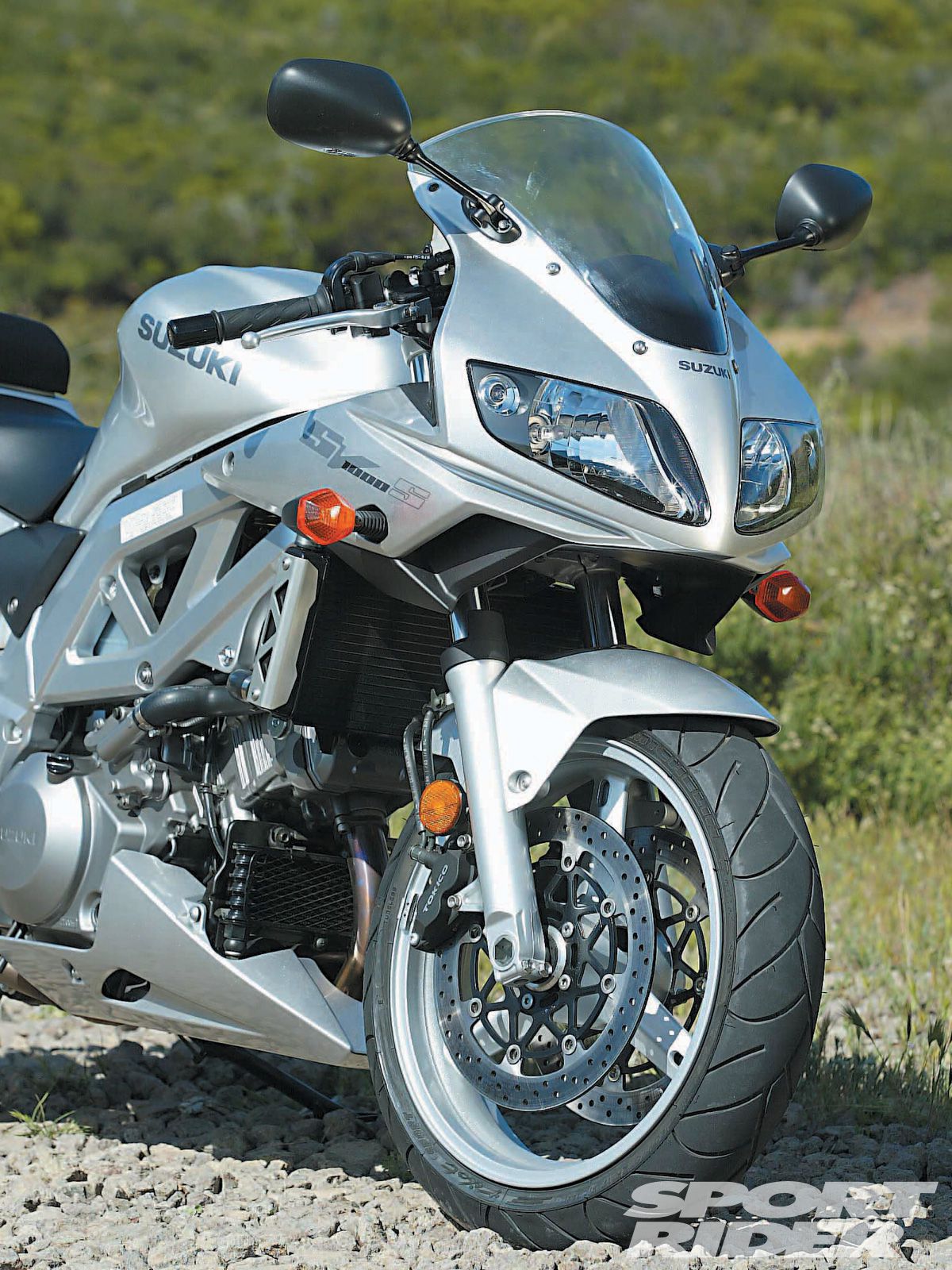
Beneath the gloss and allure of high-performance sportbikes lies a class of motorcycles that excel not through flamboyance, but through stealthy competence—machines that conceal their true prowess like a wolf in sheep’s clothing. The Suzuki SV1000 embodies this paradigm perfectly, earning its moniker as a “sleeper” sport bike. It boasts a robust suite of specifications that merge raw power with refined control, offering a riding experience that is both exhilarating and subtly commanding, much like an unassuming tune harboring a thunderous crescendo.
At the heart of the SV1000’s enigmatic appeal is its powerplant—a 996cc, liquid-cooled, 90-degree V-twin engine. This engine represents a harmonious marriage of torque and horsepower, tailored to balance out every nuance of performance. Unlike the screaming inline-fours found in many sportbikes, the V-twin’s pulse is deeper and more visceral, providing a broad spread of usable torque. This characteristic makes for a bike that doesn’t simply excel at high RPMs but thrives across the entire rev range, offering accessible acceleration whether carving through tight corners or sprinting down straights.
Delivering approximately 98 horsepower and a generous torque figure hovering near 70 lb-ft, the SV1000 doesn’t blast the numbers off the charts but rather orchestrates its power delivery with a Zen-like balance. This measured output makes the bike an appealing choice not just for seasoned riders seeking a capable street weapon but also those drawn to a machine with a bit of humility masking its potential. The engine’s twin-cylinder architecture also imparts a distinctive character to the bike’s acoustics—a throaty roar that resonates with understated menace, refusing to be overlooked.
The chassis of the SV1000 is another arena where its sleeper status manifests. A twin-spar aluminum frame provides both rigidity and lightness, acting as the backbone that connects the machine’s visceral power to the asphalt with precision. The frame’s engineering exhibits a calculated interplay between stiffness and flex, granting the rider confidence and feedback without the punishing rigidity often associated with track-focused motorcycles.
Complementing this structural excellence is the suspension setup—a combination of an inverted telescopic fork up front and a link-type rear monoshock. These components not only absorb the undulations of the road with dexterity but also maintain the bike’s composure during aggressive maneuvers. The forks are adjustable, allowing riders to tailor the suspension to their preferences, whether it’s the jittery precision required for canyon carving or the forgiving suppleness needed for urban commuting. The rear monoshock, similarly adjustable, ensures that the SV1000 can balance comfort and performance with remarkable ease.
Stopping power on the SV1000 is robust and reassuring. Dual front discs paired with four-piston calipers provide excellent bite and modulation, which translates to confident, progressive deceleration. The rear disc adds additional stopping force, yielding a braking ensemble that can rein in the machine rapidly and cleanly without sacrificing feel. In an era before widespread adoption of ABS, the SV1000’s potent mechanical braking system stood as a testament to Suzuki’s dedication to rider control and safety.
The ergonomics further augment the bike’s sleeper appeal. Rather than embracing the aggressive, forward-leaning posture common to supersport motorcycles, the SV1000 opts for a stance that is sporty yet comfortable. The seat height and handlebar positioning encourage a more natural rider posture, reducing fatigue on longer rides without sacrificing the ability to maneuver assertively. This subtle ergonomics scheme makes the bike versatile—equally adept as a daily rider or a spirited weekend companion.
Its instrumentation panel might not boast the digital dazzle commonplace in contemporary sportbikes, but it remains thoughtfully designed. Analog tachometer dominates the interface, providing precise engine speed feedback with a tangible mechanical charm. A digital speedometer and basic trip computer round out the display, ensuring riders have all necessary information at a glance without overwhelming complexity.
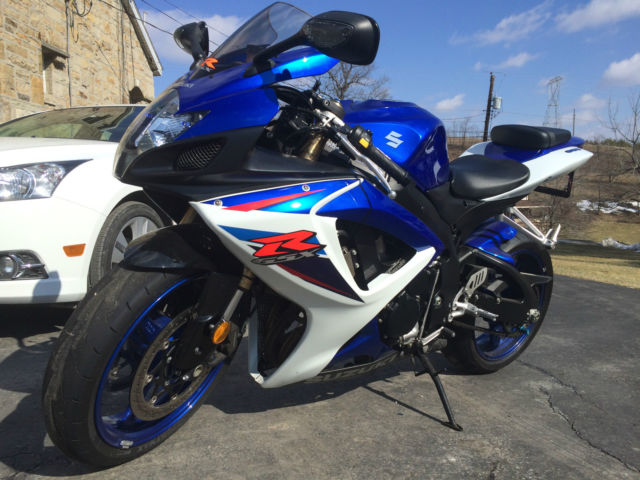
On the aesthetic front, the SV1000 maintains a clean, purposeful design ethos. The bodywork is streamlined without being ostentatious, echoing the bike’s streetfighter spirit. Subtle curves and sharp lines converge into a silhouette that is muscular yet understated, allowing the bike to glide through urban landscapes without demanding undue attention. This visual restraint only enhances the surprise element when the bike reveals its true capabilities on twisty roads or open highways.
In terms of weight, the SV1000 lands in a sweet spot—not so heavy as to dull its agility and not so light as to sacrifice stability. Weighing close to 450 pounds (wet), it remains nimble enough to dart through traffic while anchoring itself securely at speed. This balance contributes to the bike’s reputation as a pragmatic yet thrilling choice for riders who desire a sport bike’s excitement without the extremities that can alienate casual enthusiasts.
Fuel capacity is another thoughtful trait, offering around 4.7 gallons. This relatively generous tank allows for extended rides without frequent refueling, complementing the bike’s all-around usability and making it suitable for both city cruises and spirited weekend day-trips.
Ultimately, the Suzuki SV1000 is an exemplar of the “sleeper” archetype in the sportbike world. It embodies a philosophy of understated performance, where functionality and character intertwine to create a motorcycle that is greater than the sum of its parts. It’s a machine that respects the intelligence and discernment of its rider, inviting them into an experience that rewards skill and appreciation of nuance.
Owning and riding an SV1000 is like wielding a finely tuned instrument—its true capabilities may not be loudly broadcast, but once engaged, it delivers a symphony of performance and control that captivates and thrills. It proves that not all machines need to shout to be heard; some permit their essence to unfold quietly, leaving a lasting impression long after the engine has cooled.