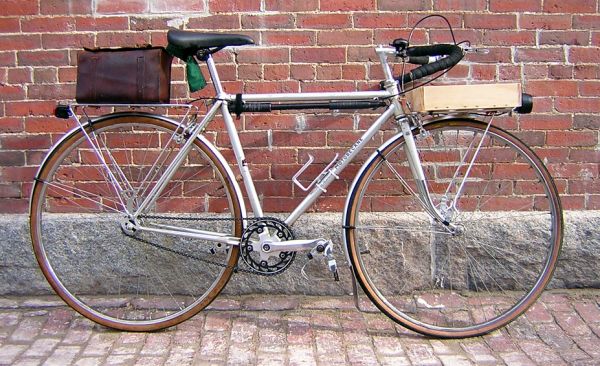
The Speed Channel era was a golden age of bicycle innovation, where raw engineering met unbridled passion, and every frame told a story of two-wheeled rebellion. These weren’t just bikes; they were mechanical symphonies, each string plucked with precision to create a crescendo of speed and style. The best build-off bikes from this time weren’t merely assembled—they were forged in the fires of competition, where every gram mattered, and every weld was a testament to the builder’s obsession. This was the era when cyclists didn’t just ride bikes; they wielded them like extensions of their own bodies, pushing the boundaries of what was possible on two wheels.
The Alchemy of Frame and Function: Where Steel Met Speed
At the heart of every legendary build-off bike from the Speed Channel era was a frame that transcended mere functionality. These weren’t mass-produced aluminum tubes slapped together in a factory; they were handcrafted masterpieces, often built from Columbus Spirit or Reynolds 853 steel, materials that sang when ridden. The geometry was a carefully calculated dance between aggression and comfort, where a slack head tube promised stability at speed, while a steep seat angle ensured explosive power transfer. These frames were the canvas upon which builders painted their visions—whether it was a sleek, minimalist road racer or a rugged, all-road gravel grinder. The alchemy came from the way these frames absorbed road chatter like a sponge, only to release it as pure, unadulterated speed.
Imagine a frame so finely tuned that it felt like an extension of the rider’s nervous system. The welds were invisible, the tubes seamless, and the paint job a work of art. These weren’t just bikes; they were kinetic sculptures, where every curve and angle served a purpose. The builders of this era understood that a bike’s soul resided in its frame, and they treated it with the reverence of a violin maker crafting a Stradivarius.

The Drivetrain: A Symphony of Cogs and Chains
If the frame was the soul of the build-off bike, then the drivetrain was its heartbeat—a relentless, rhythmic pulse that propelled the rider forward with mechanical precision. The Speed Channel era was dominated by groupsets that were as much about artistry as they were about performance. Campagnolo Super Record, Shimano Dura-Ace, and Suntour Superbe Pro weren’t just components; they were the instruments of a two-wheeled orchestra. The way the chain meshed with the cogs, the way the derailleur shifted with a whisper, the way the pedals dug into the rider’s shoes—it was all part of a grand performance.
Builders of this era didn’t just slap on a groupset and call it a day. They meticulously tuned the indexing, adjusted the tension, and polished the jockey wheels until they gleamed. The result? A drivetrain so smooth that shifting gears felt like a magic trick, where the bike responded to the rider’s slightest touch. And let’s not forget the wheels—hand-built, with hubs that hummed like a tuning fork, and rims that sliced through the air like a knife through silk. The drivetrain wasn’t just a means to an end; it was an experience, a symphony of motion that elevated the ride from mere transportation to pure ecstasy.
The Aesthetic: Where Form Meets Function in a Dance of Contrasts
The best build-off bikes from the Speed Channel era weren’t just fast; they were stunning. They were the visual embodiment of the era’s ethos—where function dictated form, but form was never sacrificed for the sake of it. These bikes were a study in contrasts: the raw, industrial beauty of a machined aluminum crankset set against the organic curves of a steel fork; the stark minimalism of a black and white paint job juxtaposed with the vibrant hues of a custom decal. Every detail was intentional, every line a deliberate choice.
Consider the way a builder might pair a vintage Campagnolo Nuovo Record group with a modern carbon fiber seatpost, creating a dialogue between old and new. Or how a builder might choose a bold, graphic paint scheme to make a statement, only to temper it with the understated elegance of a leather saddle. These bikes were canvases, and the builders were the artists. They understood that a bike’s aesthetic wasn’t just about looking good—it was about telling a story, about capturing the spirit of the era in every weld and every decal.
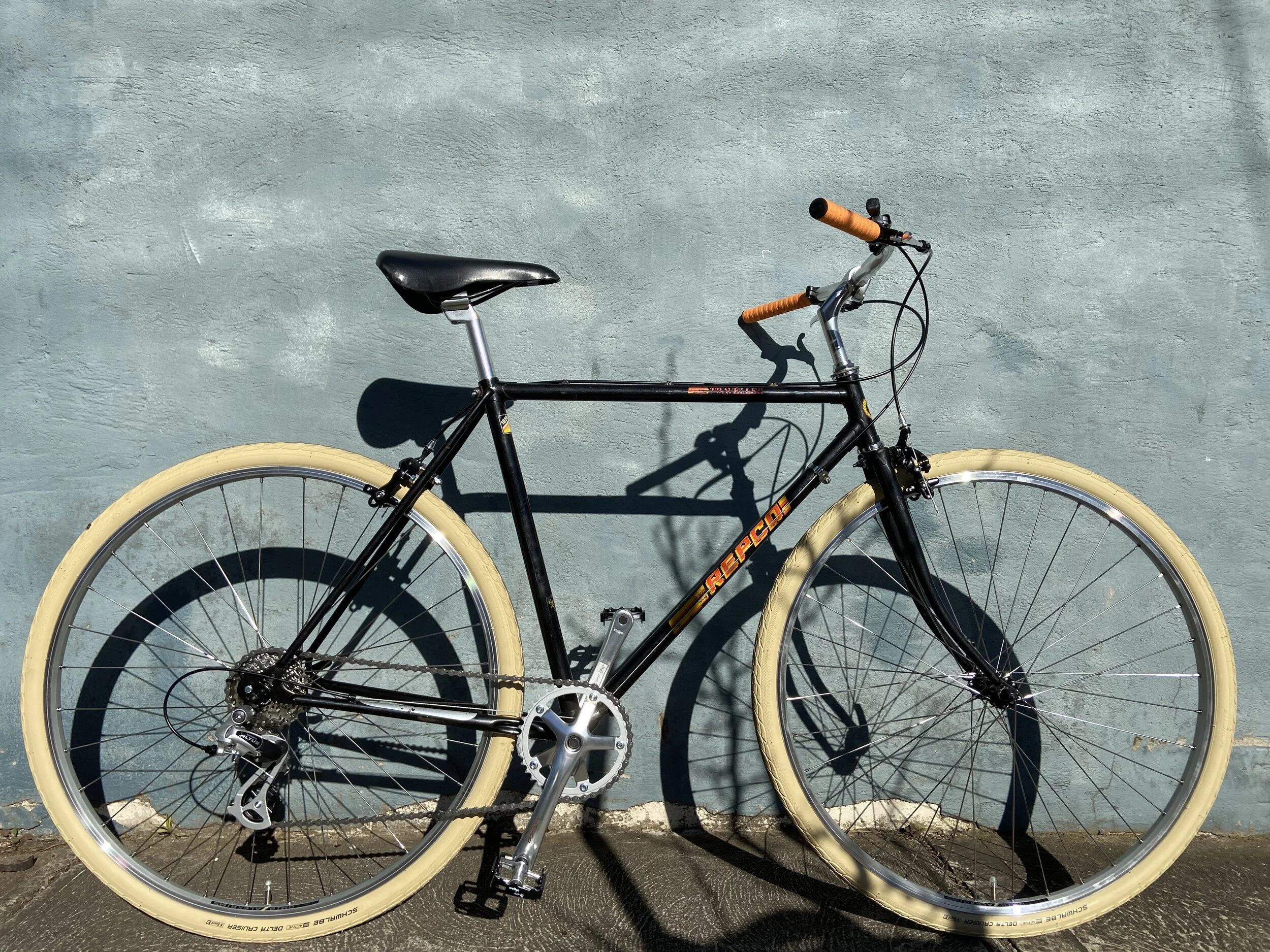
The Rider’s Connection: When the Bike Becomes an Extension of the Self
But perhaps the most magical aspect of these build-off bikes was the way they forged a connection between rider and machine. These weren’t just tools; they were partners in crime, silent collaborators in the pursuit of speed and adventure. The best builders understood that a bike’s true magic lay in how it responded to the rider’s touch—how it felt to lean into a corner, how it whispered through a descent, how it whispered, “I’m with you,” on the steepest climbs.
There was an almost spiritual quality to riding one of these bikes. The way the frame flexed under load, the way the wheels tracked true through rough pavement, the way the drivetrain purred like a contented cat—it was as if the bike and rider had become one. This was the era of the “steed,” a term that perfectly captures the bond between rider and machine. These bikes weren’t just ridden; they were experienced, cherished, and, in many cases, worshipped.
The Speed Channel era was a time when builders and riders alike understood that a bike was more than the sum of its parts. It was a living, breathing entity, a mechanical companion that could inspire, exhilarate, and even humble its rider. To ride one of these bikes was to feel alive, to be part of something greater than oneself. It was a connection that transcended the physical, a bond that could only be forged in the fires of passion and precision.
The Legacy: Why These Bikes Still Captivate Us Today
Decades have passed since the Speed Channel era, but the allure of these build-off bikes remains undiminished. They are relics of a time when craftsmanship was paramount, when every detail mattered, and when the pursuit of speed was as much about artistry as it was about athleticism. These bikes are more than just historical artifacts; they are living testaments to the ingenuity and passion of the builders who created them.
Today, the spirit of the Speed Channel era lives on in the custom bike scene, where builders continue to push the boundaries of what’s possible. The materials may have changed—carbon fiber has replaced steel, electronic shifting has replaced cables—but the ethos remains the same. The best bikes are still those that are built with care, with passion, and with an eye toward the rider’s experience. They are still the bikes that feel like an extension of the self, that respond to the rider’s touch with the precision of a finely tuned instrument.
To own one of these bikes is to own a piece of history, a slice of the golden age of cycling. It’s to hold in your hands the tangible result of countless hours of labor, of trial and error, of pure, unadulterated obsession. These bikes are not just modes of transportation; they are works of art, symbols of a time when the pursuit of speed was a noble and beautiful endeavor.
So the next time you see one of these build-off bikes from the Speed Channel era, take a moment to appreciate it. Look beyond the paint, beyond the components, beyond the frame. See the soul of the builder, the passion of the rider, the magic of the machine. These bikes are more than just metal and rubber; they are the embodiment of a time when cycling was as much about art as it was about sport. And that, perhaps, is why they still captivate us today.