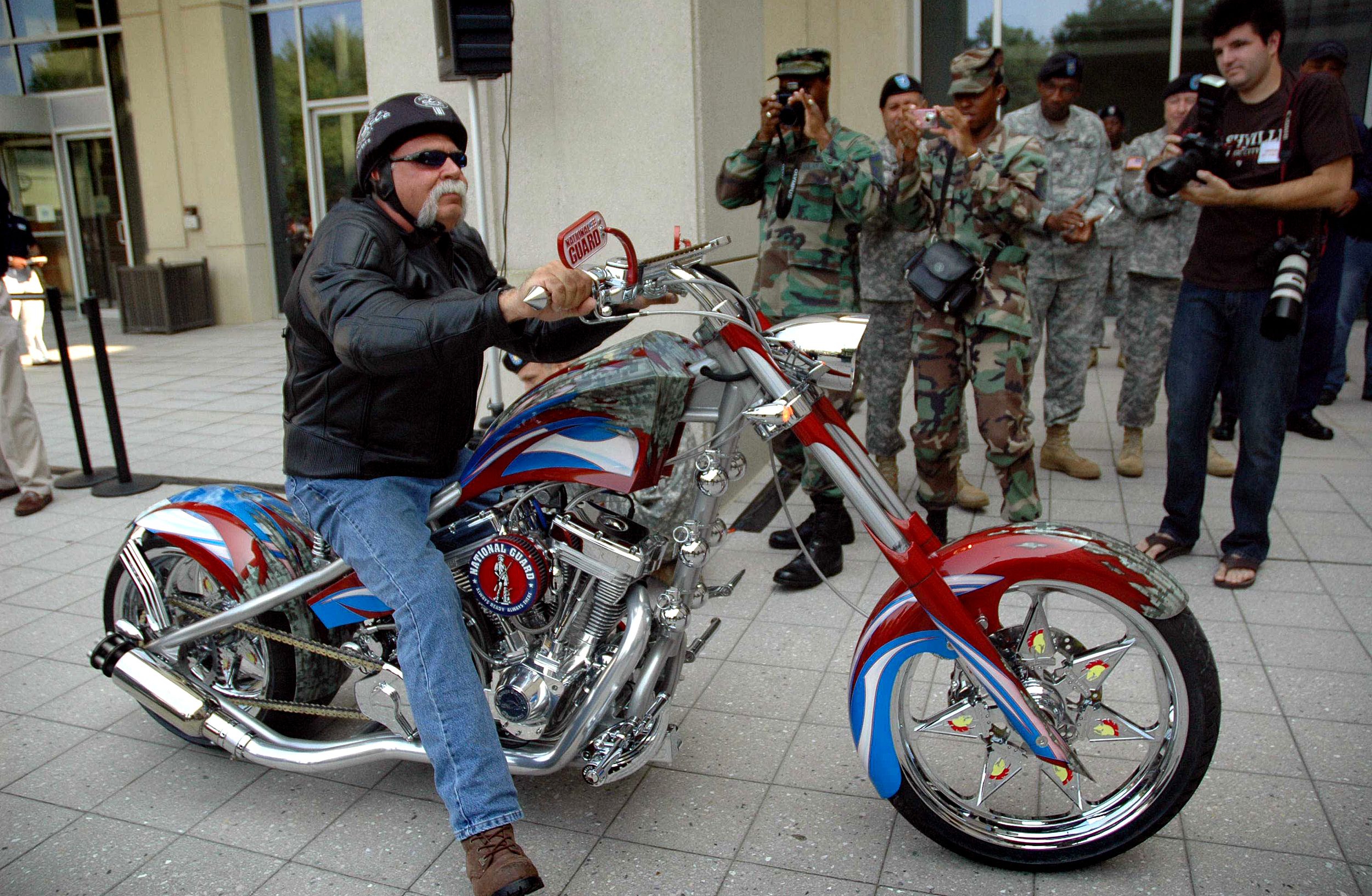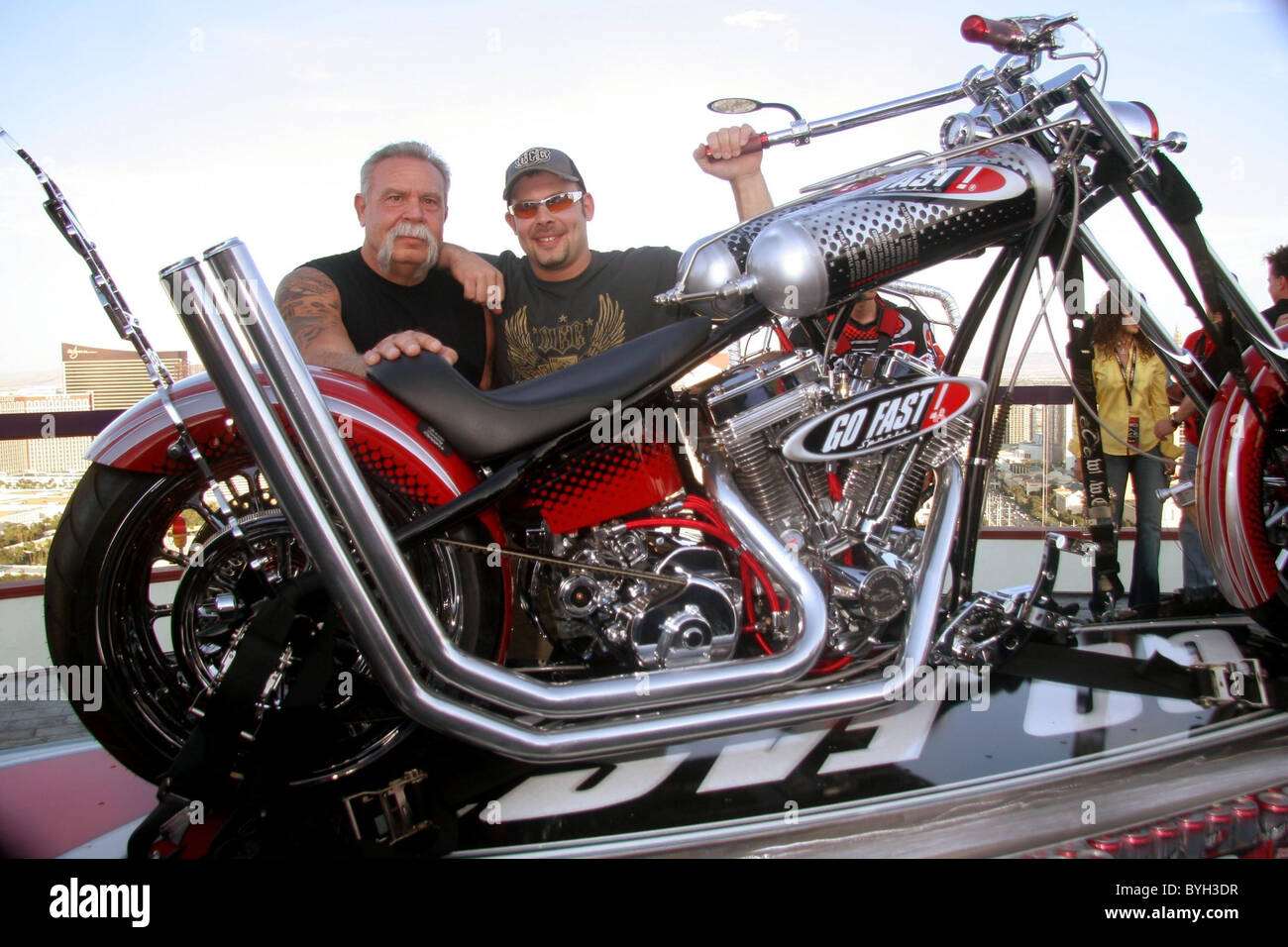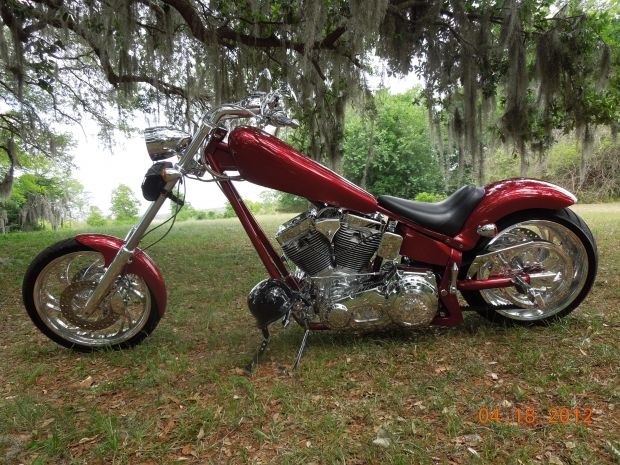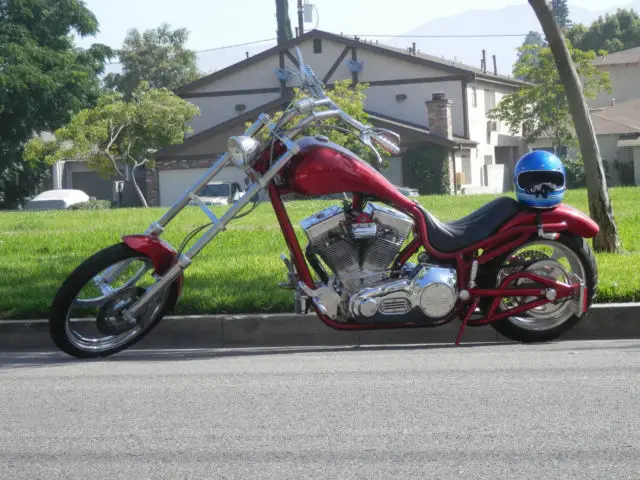
The moment you lay eyes on a Candy Apple Red chopper, something primal stirs within you. Is it the way the sun kisses those glossy, mirror-like flanks, turning the motorcycle into a rolling ember? Or is it the rebellious spirit that seems to hum through its chrome veins? Whatever it is, this isn’t just a motorcycle—it’s a statement, a rolling masterpiece of rebellion and artistry. But how did the Candy Apple Red chopper become the icon it is today? Buckle up, because we’re about to take a ride through its vibrant, chrome-plated history.
The Birth of a Legend: From Military Surplus to Rebel Canvas
In the post-World War II era, when the world was hungry for freedom and self-expression, a quiet revolution was brewing in the garages of America. Returning soldiers, tinkering with surplus motorcycles, began stripping them down to their bare essentials—hence the term “chopper.” These weren’t just bikes; they were canvases for individuality. The Candy Apple Red hue, with its lustrous, high-gloss finish, became a favorite among these early rebels. Why? Because red isn’t just a color—it’s a dare, a challenge to the status quo. It’s the color of stop signs, of fire trucks, of passion. And in the hands of a chopper builder, it became something more: a symbol of unapologetic freedom.

The Glossy Revolution: How Paint Transformed the Chopper Scene
Before the 1960s, most motorcycles were adorned in utilitarian shades of black, olive drab, or battleship gray. But then, something magical happened. Automotive paints evolved, and with them, the chopper’s identity. Candy Apple Red wasn’t just a color anymore—it was an obsession. The term “candy” itself refers to a multi-layered paint job, where a translucent red topcoat is applied over a metallic base, creating a depth that seems to glow from within. This wasn’t paint; it was alchemy. Builders like Arlen Ness and the legendary Indian Larry pushed the boundaries, turning these bikes into rolling jewels. The Candy Apple Red chopper wasn’t just seen—it was felt, a visceral punch of color that demanded attention.
But here’s the rub: achieving that perfect Candy Apple Red finish isn’t for the faint of heart. It requires patience, precision, and a deep understanding of paint chemistry. One wrong move, and the illusion shatters. So, how did builders master this craft? The answer lies in the meticulous layering of clear coats, the sanding between coats, and the final buffing to a mirror sheen. It’s a process that turns a simple motorcycle into a work of art—and a testament to the builder’s skill.
The Cultural Zeitgeist: Why Red Became the Hue of Rebellion
By the 1970s, the chopper had evolved from a DIY project into a cultural phenomenon, thanks in no small part to films like Easy Rider. But it wasn’t just any color that adorned these bikes—it was Candy Apple Red. Why? Because red is the color of passion, of danger, of the unknown. It’s the color of a sunset over a desert highway, of a neon sign in a back-alley diner. It’s the color that says, “I’m here, and I’m not going anywhere.” In a world that was becoming increasingly homogenized, the Candy Apple Red chopper was a middle finger to conformity.
But the real magic happened when these bikes hit the streets. Imagine the scene: a lone rider on a Candy Apple Red chopper, the engine growling like a caged beast, the paint reflecting the neon glow of a city at night. It wasn’t just a motorcycle—it was a statement. A declaration that the rider was free, unshackled by the rules of society. And in an era of Vietnam protests and civil unrest, that freedom was intoxicating.

The Engineering Marvel: Balancing Form and Function
Of course, a chopper isn’t just about looks. Beneath that Candy Apple Red exterior lies a machine built for performance. The challenge? Striking the perfect balance between aesthetics and functionality. Take the frame, for example. A chopper’s frame is often stretched, lowered, or modified to achieve that sleek, aggressive stance. But every adjustment has consequences. Lower the frame too much, and you risk scraping the exhaust on turns. Stretch it too far, and the bike becomes unstable at high speeds. It’s a delicate dance, one that requires both artistry and engineering prowess.
Then there’s the engine. A chopper’s heart is its motor, and in the case of a Candy Apple Red machine, it’s often a V-twin beast, roaring to life with a thunderous growl. But power isn’t everything. The bike must also handle well, gliding through curves with the grace of a dancer. This is where the builder’s skill truly shines. They must choose the right components—forks, wheels, tires—each one carefully selected to complement the bike’s overall design. And let’s not forget the suspension. A chopper’s ride can be harsh, but a well-tuned suspension system can turn a bumpy road into a smooth glide. It’s all about finding that sweet spot where form meets function.
The Modern Revival: Why the Candy Apple Red Chopper Endures
Fast-forward to today, and the Candy Apple Red chopper is as relevant as ever. In a world dominated by electric cars and autonomous vehicles, the chopper stands as a defiant reminder of a bygone era—a time when machines were raw, unfiltered, and deeply personal. But the modern chopper isn’t just a relic of the past. It’s a canvas for innovation. Builders today are pushing the boundaries of design, incorporating cutting-edge materials and technologies while staying true to the chopper’s rebellious spirit.
So, why does the Candy Apple Red chopper continue to captivate us? Perhaps it’s because, in a world that’s increasingly digital and disconnected, these bikes represent something tangible, something real. They’re a physical manifestation of freedom, of individuality, of the open road. Or maybe it’s simply because, when you see a Candy Apple Red chopper, you can’t help but feel a surge of adrenaline, a primal urge to ride, to escape, to be free.
But here’s the challenge: can the modern chopper scene recapture the magic of its heyday? With rising costs, stricter regulations, and a shrinking pool of skilled builders, the art of chopper craftsmanship is at risk. Will the Candy Apple Red chopper survive, or will it become a relic, a ghost of a time when motorcycles were more than just transportation—they were works of art?
The Future: A Rolling Legacy
The Candy Apple Red chopper is more than just a motorcycle. It’s a symbol of rebellion, a testament to craftsmanship, and a rolling work of art. Its history is a tapestry woven with threads of innovation, passion, and defiance. But the road ahead isn’t without its potholes. The challenge for the next generation of builders is to keep this legacy alive, to ensure that the flame of the Candy Apple Red chopper doesn’t flicker out.
So, the next time you see a Candy Apple Red chopper, take a moment to appreciate what it represents. It’s not just a bike—it’s a piece of history, a rolling masterpiece, and a reminder that sometimes, the most beautiful things are the ones that dare to stand out.