There’s something almost mythic about a 1970s chopper—those raw, unfiltered machines that roar with the spirit of rebellion and the grit of a bygone era. Restoring one isn’t just about fixing metal and rubber; it’s about resurrecting a piece of history, a rolling testament to freedom and craftsmanship. If you’ve ever run your hands over a rusted frame or stared into the hollow eyes of a stripped-down engine, you know the pull. This isn’t just a project; it’s a pilgrimage back to the golden age of two-wheeled anarchy, where every bolt tells a story and every scratch whispers of the road traveled.
The Allure of the 70s Chopper: Why These Machines Still Captivate Us
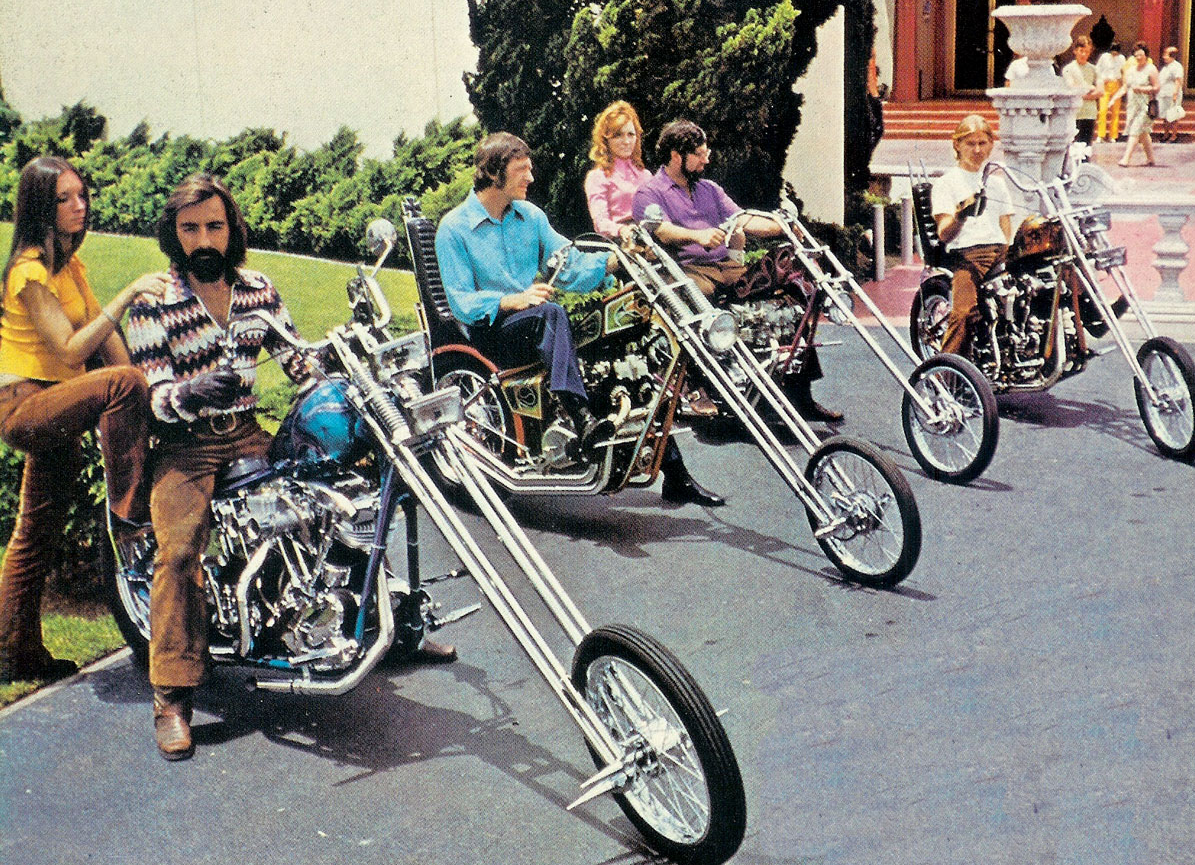
The 1970s chopper isn’t just a motorcycle—it’s a cultural artifact, a rolling sculpture of rebellion that defied convention. Born from the counterculture movement, these bikes were stripped-down, elongated, and often adorned with wild customizations that screamed individuality. The long forks, the stretched frames, the gleaming chrome—each element was a deliberate rejection of the mass-produced, cookie-cutter machines of the era. To restore one is to preserve a fragment of a time when motorcycles weren’t just transportation; they were statements.
What makes these machines so enduring isn’t just their aesthetics, though. It’s the soul they carry. The 70s chopper is a relic of an age when mechanics were artists, when every weld and every curve was handcrafted with passion. Restoring one isn’t just about bringing it back to life; it’s about reconnecting with that raw, unapologetic energy that defined an era.


Assessing the Beast: How to Evaluate a Chopper’s Restoration Potential
Before you dive into the nitty-gritty, you need to know what you’re dealing with. Not every rusted hunk of metal is a diamond in the rough—some are just scrap waiting for the crusher. The first step is a thorough assessment. Start with the frame. Is it cracked, bent, or so corroded that it’s beyond saving? A chopper’s soul lives in its frame, and if that’s compromised, the project might not be worth the effort. Next, inspect the engine. Is it seized? Are the cylinders scored beyond repair? A running engine is a blessing, but even a seized one can sometimes be revived with enough elbow grease and patience.
Don’t overlook the forks, either. Long, raked forks are a hallmark of 70s choppers, but if they’re bent or worn, they’ll need serious attention—or replacement. Check the wheels, the brakes, and the drivetrain. Are the spokes rusted? Are the brake lines brittle? Every component tells a story, and some stories are worth preserving more than others. The key is to weigh the emotional pull against the practical realities. If the bike’s heart is still beating, even faintly, it might just be worth the fight.
Stripping Down to the Bones: The Art of Disassembly
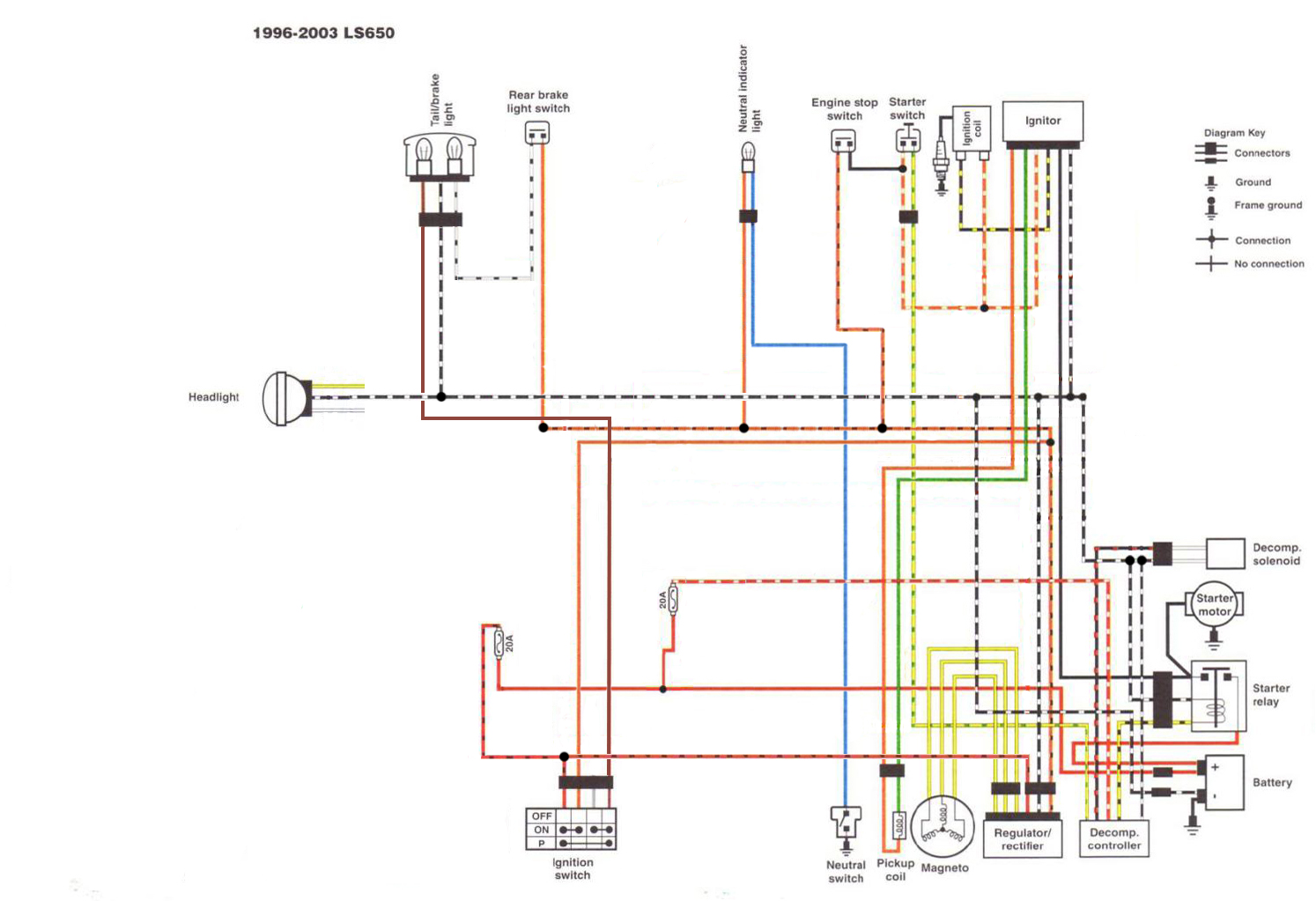
There’s a peculiar satisfaction in taking a chopper apart—peeling back the layers of grime, rust, and old paint to reveal the raw metal beneath. But disassembly isn’t just about destruction; it’s about discovery. Every bolt you remove, every wire you trace, is a clue to the bike’s past. Label everything. Take photos. Sketch diagrams if you must. A chopper’s wiring harness, for example, is a labyrinth of custom modifications, and without a roadmap, reassembly can feel like solving a puzzle blindfolded.
As you strip the bike down, pay attention to the details. Are there handwritten notes tucked under the seat? A faded sticker from a long-gone shop? These are the little touches that make a chopper unique. Document them. They’re part of the bike’s history, and they deserve to be preserved. And don’t rush. The best restorations aren’t just about fixing what’s broken—they’re about understanding what makes the bike special in the first place.

Metal and Muscle: Restoring the Frame and Forks
The frame is the backbone of any chopper, and restoring it is where the real magic happens. If the frame is solid but rusted, you’ll need to strip it down to bare metal, either with a wire wheel, sandblaster, or chemical stripper. Once clean, inspect it for cracks or stress points. A cracked frame is a death sentence, but minor damage can often be repaired with judicious welding. If the damage is too severe, don’t despair—replacement frames are available, though they’ll lack the original character.
The forks, too, demand attention. Long, raked forks are a signature of 70s choppers, but they’re also prone to bending and wear. If they’re salvageable, disassemble them, clean the tubes, and replace the seals and bushings. If they’re beyond repair, consider sourcing period-correct replacements. The right forks can transform a chopper’s stance, turning it from a hunched beast into a majestic, elongated cruiser. And don’t forget the triple trees—they’re the unsung heroes that hold everything together, ensuring your chopper steers true and handles with precision.
Reviving the Beast: Engine and Transmission Overhaul
The engine is the heart of the chopper, and restoring it is a labor of love. If you’re lucky, the motor is still in decent shape. If not, you might be staring down the barrel of a complete rebuild. Start by assessing the internals. Are the pistons scored? Are the bearings worn? A thorough inspection will tell you whether you can get away with a simple refresh or if you’ll need to replace major components. If the engine is seized, don’t panic—sometimes a combination of penetrating oil, heat, and gentle persuasion can work wonders.
The transmission is another critical piece. A chopper’s drivetrain is often as unique as its owner, with custom gearing and ratios tailored for speed or torque. If the transmission is shot, you’ll need to decide whether to rebuild it or swap in a donor unit. Either way, ensure the clutch is in good condition. A slipping clutch is a recipe for frustration, and replacing it mid-project is a headache you don’t need.
Once the engine and transmission are sorted, it’s time to think about fuel delivery. Carburetors from the 70s are finicky beasts, prone to gumming up and leaking. A thorough cleaning or rebuild is essential, and upgrading to a modern electronic ignition can breathe new life into an old motor. The goal isn’t just to make the engine run—it’s to make it sing, to coax every ounce of power and character from those vintage cylinders.
.jpg)
Brakes, Wheels, and the Road Ahead: Safety and Performance
A chopper’s soul may be in its soul, but its safety and performance live in its brakes, wheels, and suspension. The 70s were a time when brakes were an afterthought for many riders, but modernizing them isn’t just about compliance—it’s about control. Disc brakes are a vast improvement over the old drum setups, offering better stopping power and reliability. If you’re keeping the original wheels, ensure the spokes are tight and the rims are true. If you’re upgrading, consider wider tires for better grip and a more aggressive stance.
The suspension, too, plays a crucial role. Long, soft forks were the norm in the 70s, but they often led to wallowy handling. Upgrading to modern shocks or adjusting the preload can transform a chopper’s ride from a gut-wrenching experience to a smooth, controlled cruise. And don’t forget the tires. A fresh set of period-correct rubber can make all the difference, not just in performance but in authenticity.
The Finishing Touches: Paint, Chrome, and the Soul of the Machine
Restoration isn’t just about making a chopper run—it’s about making it *shine*. The paint and chrome are where the bike’s personality truly comes alive. A classic 70s chopper often features bold, eye-catching colors—think candy apple red, metallic blue, or even wild flame jobs. Strip the old paint, sand the frame smooth, and apply a high-quality primer and base coat. If you’re going for authenticity, consider a single-stage urethane paint for that glossy, retro look.
Chrome is the icing on the cake. A gleaming set of handlebars, exhaust pipes, or engine covers can turn a chopper from a mere machine into a work of art. But chrome isn’t just about looks—it’s about protection. A well-chromed frame or fender will resist rust and corrosion, ensuring your chopper stays beautiful for years to come. If you’re doing the chrome yourself, be prepared for a labor-intensive process involving multiple layers of copper, nickel, and chromium. If not, a professional plater can work wonders.
The final touches—custom decals, a leather seat, or a set of vintage-style grips—are what make a chopper *yours*. These aren’t just accessories; they’re extensions of the bike’s soul. Choose them wisely, and your chopper won’t just be restored—it’ll be reborn.
From Rust to Glory: The Rebirth of a 70s Chopper
There’s a moment, deep in the restoration process, when the bike starts to resemble something other than a pile of parts. It’s when the engine fires up for the first time, when the paint catches the light just right, when the wheels finally roll true. That moment is magic. It’s the payoff for all the sweat, the frustration, the sleepless nights spent hunched over a wrench. It’s the proof that patience and passion can turn rust into glory.
Restoring a 70s chopper isn’t just about bringing an old bike back to life. It’s about preserving a piece of history, a rolling monument to an era when motorcycles were more than machines—they were symbols of freedom, rebellion, and unbridled creativity. Whether you’re a seasoned mechanic or a passionate enthusiast, the journey is as rewarding as the destination. So roll up your sleeves, fire up the welder, and get ready to write the next chapter in your chopper’s story. The road awaits.