Have you ever wondered what made motorcycles from the mid-1990s so irresistibly captivating? What was it that set those iron steeds apart in a decade brimming with technological evolution and raw mechanical expression? The “cool” factor in motorcycles is an elusive quality, often shaped by an interplay of design, performance, culture, and just the right dash of rebellion. Navigating through the mid-90s terrain of two-wheeled machines invites us to revisit a bygone era when innovation met unfiltered road charisma. But can modern bikes ever rival the mystique and visceral appeal of that decade’s coolest motorcycles?
The mid-1990s represented a golden crossroads in motorcycle evolution. It was a period steeped in exhilarating experimentation, where technology started to blend more intimately with style, and the horsepower wars gained new momentum. Manufacturers boldly explored diverse niches — from superbikes to naked streetfighters, from aggressive sport-tourers to muscular cruisers. This period uniquely juxtaposed the analog charm of carbureted engines with the dawn of emerging electronic innovations. Riders were spoiled with choices that ranged from class-defining performance machines to immediately recognizable design icons.
One cannot talk about this era without acknowledging the legendary Japanese manufacturers — Honda, Yamaha, Suzuki, and Kawasaki — who fiercely competed to dominate the market. Each brand offered distinct interpretations of “cool,” captivating both casual riders and hardcore enthusiasts alike. The Honda CBR900RR Fireblade, introduced in 1992 but highly relevant throughout the mid-90s, revolutionized the sportbike segment. With its lightweight frame and potent 900cc engine, the Fireblade juggled agility with top-end speed, setting a new benchmark. It was a motorcycle seemingly designed without compromises, becoming both a daily rider and a track-day weapon. This model was emblematic of an era when engineers’ obsession with shaving off every possible pound from the chassis resulted in a pure, agile riding experience.
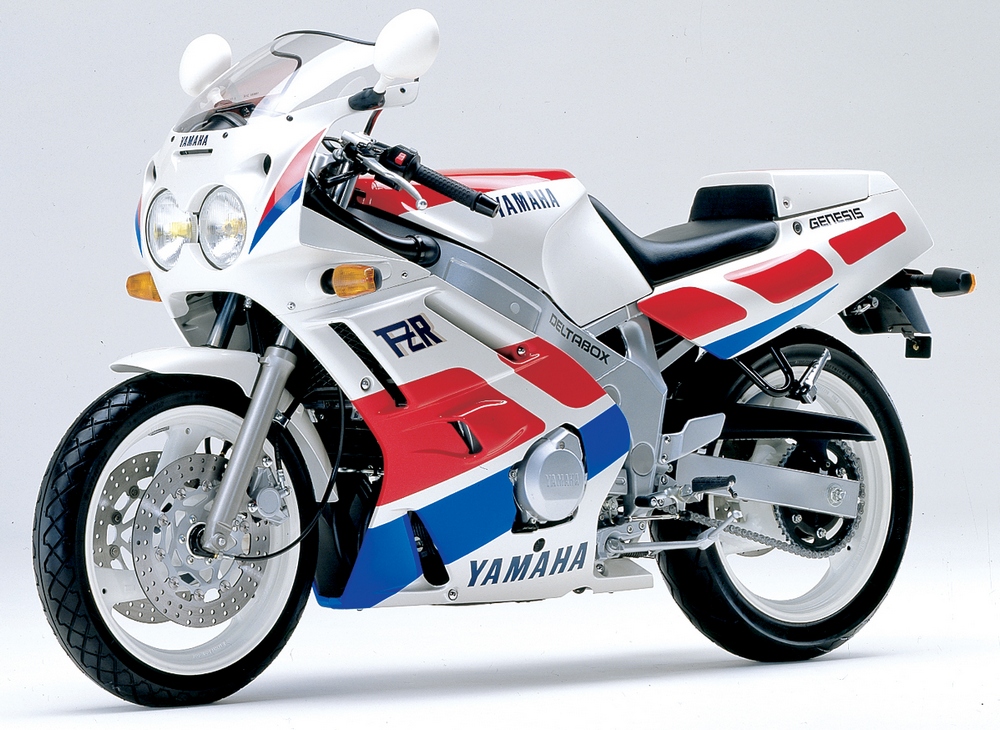
Yet, the Fireblade was not without contenders. Suzuki’s GSX-R750 was an enduring icon, boasting relentless performance and a no-nonsense approach to sportbiking. Its aggressive styling and high-revving engine were magnets for thrill-seekers hungry for raw feedback and instantaneous throttle response. Breakneck acceleration and razor-sharp handling made it a favorite among experienced riders, embodying the very essence of mid-90s motorcycle cool — fierce, fast, and unyielding.
Meanwhile, Kawasaki’s Ninja ZX-9R, affectionately dubbed the “Ninja II,” pushed the boundaries of aerodynamic design and rider ergonomics. With power and poise, it bridged the gap between pure sport and street comfort. This machine was arguably one of the first to harmonize blistering speed with everyday usability, an approach that would influence sportbike development going forward.
If the sportbike sector was dominating the headlines, the mid-90s saw another thrilling narrative unfold in the naked bike and streetfighter arenas — heavily influenced by the customization culture. These machines stripped away fairings, revealing muscular frames and engine machinery with charismatic ruggedness. The Suzuki SV650, for example, launched towards the late 90s but born from the decade’s attitude, became synonymous with approachable power and usability. It appealed to riders who valued practicality without sacrificing style and performance, further expanding the cool spectrum.
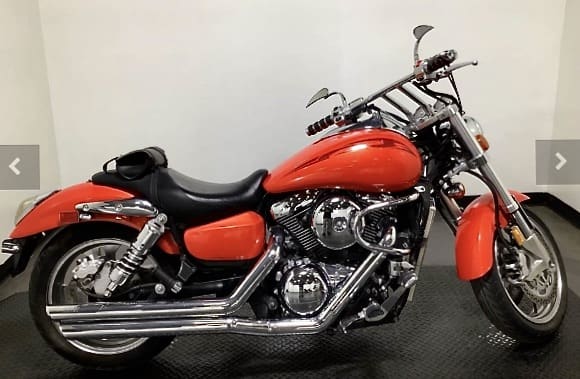
Cruisers during this era shouldn’t be overlooked either. The mid-90s marked a resurgence of classic American bike aesthetics through models like the Harley-Davidson Fat Boy and the Yamaha V-Max. The Fat Boy, with its unmistakable fat tires and solid build, epitomized raw, street-level swagger. It was more than transportation; it was a statement wrapped in chrome, embodying a nostalgic yet timeless cool. The V-Max, on the other hand, was rebellious muscle incarnate, boasting a unique V4 engine and ferocious torque that challenged traditional cruiser norms.
Innovation was not limited to raw speed either. Touring motorcycles became canvases for technological advancement and comfort. The Honda ST1100 Pan-European, for instance, catered to riders craving reliable long-distance capability without surrendering the mid-90s cool factor. It fused aerodynamic efficiency, integrated luggage solutions, and a manageable powertrain, making it a preferred companion for epic road journeys.
Design themes in the mid-90s danced between futuristic and retro. Angular bodywork and aggressive colorways clashed with chrome-laden, minimalist machines. This diversity pushed riders to find bikes that resonated with their identities. Colors were vivid, with neon greens, fiery reds, and jet blacks dominating the visual lexicon. Tail sections sharpened into pointy accents while exhaust systems ranged from discreet sidepipes to bombastic megaphones, punctuating the soundtrack of rebellion.
Is it possible, though, for today’s motorcycles to recapture that same blend of raw excitement and unpolished character? Modern bikes benefit from electronic aids like ABS, traction control, and ride modes, improving safety and performance. However, the mid-90s widescreen lens reveals a time when riding was more visceral, less filtered. Mechanical imperfections made each ride unique; the clutch leveraged hand strength, and throttle inputs dictated survival on the edge. This tactile connection fostered a passionate bond between rider and machine unmatched by today’s clinical precision.
The cultural context surrounding these motorcycles must also be considered. The mid-90s were a period when motorcycling was intertwined with alternative music scenes, street racing mythos, and cinematic portrayals that captured imagination. Movies, magazines, and growing global events helped build a mythic status around certain models. Ownership was as much about belonging to a tribe as it was about speed and style.
Ultimately, the coolest motorcycles of the mid-90s were a confluence of daring engineering, evocative styling, and cultural resonance. They weren’t merely machines but canvases for freedom, rebellion, and personal expression. Their legacy persists in the ethos of motorcycle design today — a constant reminder that coolness is born at the intersection of heart-pounding performance and magnetic aesthetics.
Revisiting this dynamic decade challenges riders and enthusiasts to rethink what truly defines cool. Is it the latest technological marvel or the unvarnished purity of analog machines that command respect and excitement? Perhaps the mid-90s motorcycles pose a challenge to the contemporary scene: to recapture that raw edge while embracing progress. After all, the spirit of riding is eternally about pushing boundaries, feeling alive, and chasing that indescribable thrill that only a truly cool motorcycle can deliver.