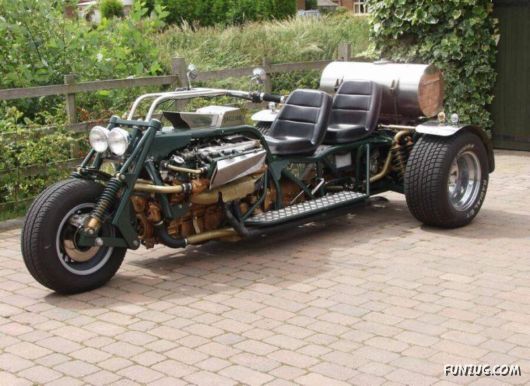
In the early years of the twenty-first century, the motorcycle industry witnessed a fascinating confluence of innovation, audacity, and design experimentation. The years 2002 and 2003, in particular, stand as an emblematic period when manufacturers and custom builders alike embraced boldness, challenging conventional wisdom and reimagining what motorcycles could be. This era’s craziest motorcycles not only pushed the envelope of engineering but also altered the cultural fabric of motorcycling, promising a paradigm shift that still resonates.
At first glance, the term “craziest motorcycles” might conjure images of outlandish aesthetics or impractical engineering feats. Yet, the craziest bikes of 2002–2003 combined radical visual statements with pioneering technology, creating machines that demanded attention both on the road and in the annals of motorcycling history. They blurred lines between speed and artistry, functionality and spectacle, often fusing high-performance mechanics with surprising design languages, thereby piquing curiosity and reshaping perspectives about the motorcycle’s role in personal expression and technological advancement.
One cannot delve into this transformative era without acknowledging the remarkable variety of motorcycles that emerged. From lumbering cruisers adorned with extravagant chrome and unique customizations to hyper-agile sportbikes integrating state-of-the-art materials—each spoke to a distinct ethos. The customization culture flourished, driven by the desire to create not just a machine but an extension of personality, sometimes bordering on kinetic sculptures.
Among these extraordinary machines, the advent of the “power cruiser” was particularly notable. This hybrid genre melded the muscular torque and aesthetic brashness of cruisers with the cutting-edge technology usually reserved for superbikes. The resulting motorcycles often featured exceptionally large-displacement engines, aggressive riding positions, and innovative frame geometries that deviated from the traditional cruiser silhouette. These bikes invited riders to experience raw power fused with a striking visual presence, redefining the boundaries of comfortable yet exhilarating riding.
Concurrently, sportbike design saw contortions of ergonomic conventions. The years in question unveiled motorcycles that emphasized aerodynamic refinement to a near-obsessive degree. Literally sculpted by wind tunnel testing, these machines boasted streamlined fairings with intricate venting, aggressively tucked rider positions, and chassis crafted from exotic alloys. The intricacy of these designs did more than enhance speed; they offered an aesthetic synergy between form and function. The engineering marvels behind these motorcycles unsettled traditionalists while captivating aficionados longing for the thrill of speed married with technological verve.
One cannot overlook the burgeoning influence of technology during this period. The early 2000s heralded a gradual infusion of electronics into motorcycles. Anti-lock braking systems (ABS), though still relatively rare in motorcycles at that time, began to enter the mainstream consciousness. Emerging traction control systems hinted at the future of rider aids. These electronically assisted features, once considered science fiction for two-wheeled vehicles, represented a shift from pure, mechanical riding experiences toward integrated, smart mobility solutions. The craziest motorcycles capitalized on this trend with experimental implementations, blending raw gasoline power with embryonic electronic intelligence.
Beyond the factory floor, custom builders and individual craftsmen elevated the spirit of the age by producing motorcycles that transcended mere transportation. Custom builds of this period often defied classification, blending retro-futurism with artisanal craftsmanship. Sculptural bodywork, unconventional frame designs, and bizarre exhaust layouts challenged preconceived notions of what a motorcycle should look like while often maintaining surprising functionality and rideability. These manifestations of creative madness were more than mechanical assemblages; they were rolling art installations that provoked dialogue and intrigue wherever they ventured.
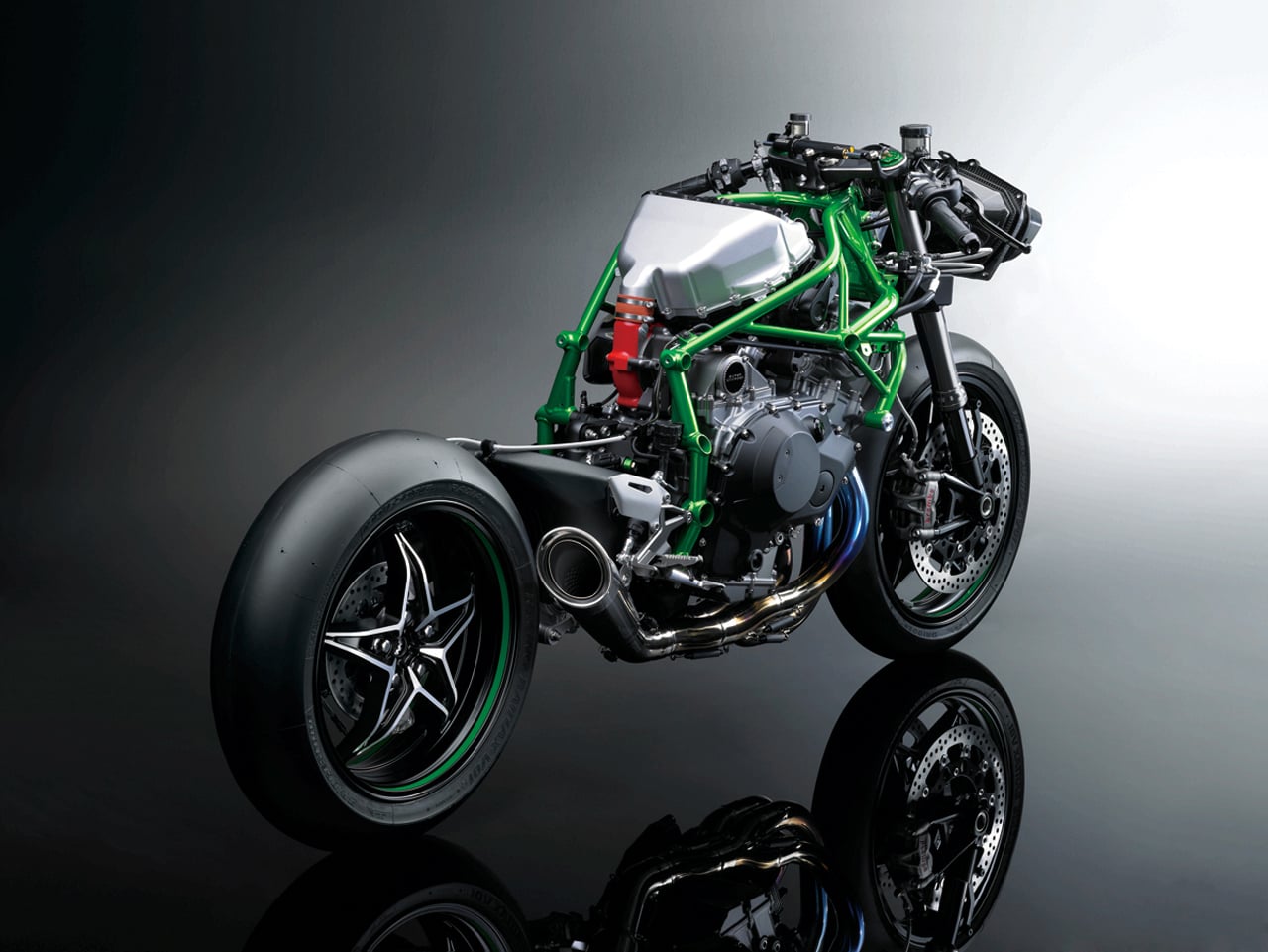
Architectural minimalism was another intriguing trend observable in the era’s most eccentric motorcycles. Some models embraced a “less is more” philosophy, stripping away non-essential components to reveal the mechanical skeleton at the heart of the machine. Exposed frames, visible suspension components, and conceptual transparency highlighted engineering prowess as much as performance. This starkness created a juxtaposition against the flashier counterparts and underscored a deliberate aesthetic choice, transforming the motorcycle into a testament of pure mechanical beauty.
The aesthetic boldness of these motorcycles frequently extended to unconventional materials and finishes. Carbon fiber, then still considered exotic, made inroads into body panels and structural components, heralding a new age of lightweight durability. Polished aluminum, titanium accents, and avant-garde paint schemes became hallmarks of exclusivity and innovation. The tactile sensation of machined metals and textured surfaces added a sensory dimension that transcended visual appeal, rendering the motorcycles tactilely inviting and uniquely personal.
The geographical diversity in motorcycle design during 2002–2003 further enriched this narrative. While Japanese and European manufacturers pushed the limits of precision engineering and electronic integration, American customizers often emphasized raw, unapologetic styling infused with cultural narratives. This global tapestry forged a dialogue across styles and philosophies, underscoring that the craziest motorcycles were not merely products of technological prowess but also of cultural expression and identity.
Interestingly, some motorcycles from this period embraced modularity and adaptability, offering owners customization options that could dramatically alter the bike’s character. Interchangeable body panels, adjustable suspension setups, and versatile electronic settings promised riders a tailored experience, fostering a deeper connection between machine and individual. This emphasis on personalization foretold the modern era of user-centric motorcycle design, affirming the notion that motorcycles could evolve alongside their riders’ desires and environments.
In retrospect, the craziest motorcycles of 2002–2003 prove that the essence of innovation often resides at the intersection of audacity and thoughtful engineering. More than mere novelties, these machines challenged prevailing doctrines and invited enthusiasts to reconceive the motorcycle as a living entity—one that could be simultaneously fierce, elegant, technological, and artistic. The era’s legacy lies in this spirit of fearless experimentation, reminding us that motorcycles are not only about transportation but also about experiencing freedom through the relentless pursuit of what lies beyond convention.
To look upon these motorcycles today is to glimpse a vibrant, almost rebellious chapter in motorcycling history. Their wild designs and daring performance characteristics embody a promise—a promise of continual evolution, of perspectives shifted, and curiosity endlessly piqued. They beckon riders and observers alike to question assumptions, embrace innovation, and celebrate the extraordinary possibilities that come with two wheels, a throttle, and an unquenchable thirst for the unknown.