What happens when the dream of a Chopper—once a symbol of boundless potential—collides with the cold, unyielding reality of economics? The Night Light Chopper Dream LED Toy, a whimsical homage to the beloved character from *One Piece*, promised to illuminate bedrooms with a playful glow. Yet, beneath its charming exterior lies a tale of production costs, market saturation, and the fleeting nature of fandom-driven demand. Is this the end of an era, or merely a temporary setback in the grand saga of collectibles?
The Allure of the Chopper Dream: A Market Mirage?
The Chopper Dream LED Toy isn’t just a product; it’s a manifestation of nostalgia, a tangible piece of a cultural phenomenon. Fans of *One Piece* have long clamored for merchandise that captures the essence of their favorite characters, and Chopper—a lovable reindeer with a heart of gold—has always been a fan favorite. The Night Light version, with its soft glow and intricate design, seemed like a surefire hit. But here’s the rub: the market for anime collectibles is a fickle beast, swayed by trends, disposable income, and the whims of social media.
Consider the economics of production. High-quality LED toys require precision engineering, durable materials, and compliance with safety standards. Each unit’s price tag reflects these costs, often pushing it beyond the impulse-buy threshold for casual fans. Meanwhile, the secondary market—where scalpers and resellers thrive—further distorts pricing, creating a chasm between perceived value and actual affordability. Is the Chopper Dream a victim of its own success, or is it a cautionary tale of overestimating a niche audience’s willingness to pay?
Breaking Down the Costs: Where the Dream Fades
Let’s dissect the financial anatomy of the Chopper Dream. The initial investment in molds, materials, and labor is substantial. For a limited-run collectible, economies of scale don’t apply, meaning each unit carries a disproportionate share of fixed costs. Add in packaging, shipping, and the inevitable waste from defective or unsold items, and the profit margins shrink faster than Luffy’s waistline after a feast.
Then there’s the matter of marketing. Anime merchandise thrives on hype, and the Chopper Dream’s launch relied heavily on digital campaigns—social media ads, influencer partnerships, and fan engagement. But hype is ephemeral. A single viral post can propel a product to stardom, yet the same platform can bury it under a deluge of competing promotions. The result? A product that either sells out instantly (leaving fans frustrated) or lingers in warehouses (leaving investors sweating).
And let’s not forget the elephant in the room: piracy. Bootleg versions of the Chopper Dream flood online marketplaces, undercutting official sales with prices that seem too good to be true. For every legitimate purchase, there’s a counterfeit lurking in the shadows, siphoning revenue and diluting brand integrity. The dream of a Chopper-filled future dims when the market is flooded with knockoffs that betray the original’s craftsmanship.
The Fan Paradox: Loyalty vs. Practicality
Anime fans are a passionate lot, but passion doesn’t always translate to spending. The Chopper Dream’s target audience—dedicated *One Piece* enthusiasts—are known for their deep pockets when it comes to high-end collectibles. Yet, even the most devoted fans have budgets. The question isn’t whether they want the toy; it’s whether they’re willing to justify the expense when alternatives (from official merch to fan art) offer similar emotional satisfaction at a fraction of the cost.
Consider the phenomenon of “collectible fatigue.” Fans are bombarded with limited-edition figures, exclusive bundles, and time-sensitive drops. The thrill of ownership gives way to decision paralysis. Do they buy the Chopper Dream now, or wait for a future reprint? Will it appreciate in value, or become a white elephant in their collection? The uncertainty breeds hesitation, and hesitation kills sales.
Moreover, the secondary market’s unpredictability adds another layer of complexity. A product that sells out quickly may see its resale value skyrocket—only to crash when the next big thing emerges. For collectors, this volatility is part of the thrill. For manufacturers, it’s a gamble. The Chopper Dream’s fate hinges on whether it can carve out a permanent niche or fade into the annals of “almost-was” merchandise.
Could the Chopper Dream Rise Again?
All is not lost for the Chopper Dream. The key to its revival lies in innovation and strategic pivots. Perhaps a mid-tier version—sans the LED glow but with Chopper’s iconic hat—could attract budget-conscious fans. Alternatively, bundling the toy with other *One Piece* merchandise (like a manga volume or art book) might justify the price point. Collaborations with artists or streamers could also reignite interest, transforming the Chopper Dream from a standalone product into a cultural moment.
Another avenue is sustainability. Eco-conscious fans are increasingly drawn to products with a conscience. A Chopper Dream made from recycled materials or packaged in biodegradable materials could appeal to a broader audience, aligning profit with purpose. The toy industry is waking up to the demand for ethical production, and the Chopper Dream could ride this wave to redemption.
Ultimately, the Chopper Dream’s story is a microcosm of the collectibles market: a delicate balance between artistry, economics, and fan psychology. Its fate isn’t sealed—it’s a narrative still being written, with each sale, each resale, and each fan’s decision adding a new chapter. Will it become a relic of a bygone era, or will it evolve into something greater? The answer lies in the hands of those who dare to dream.
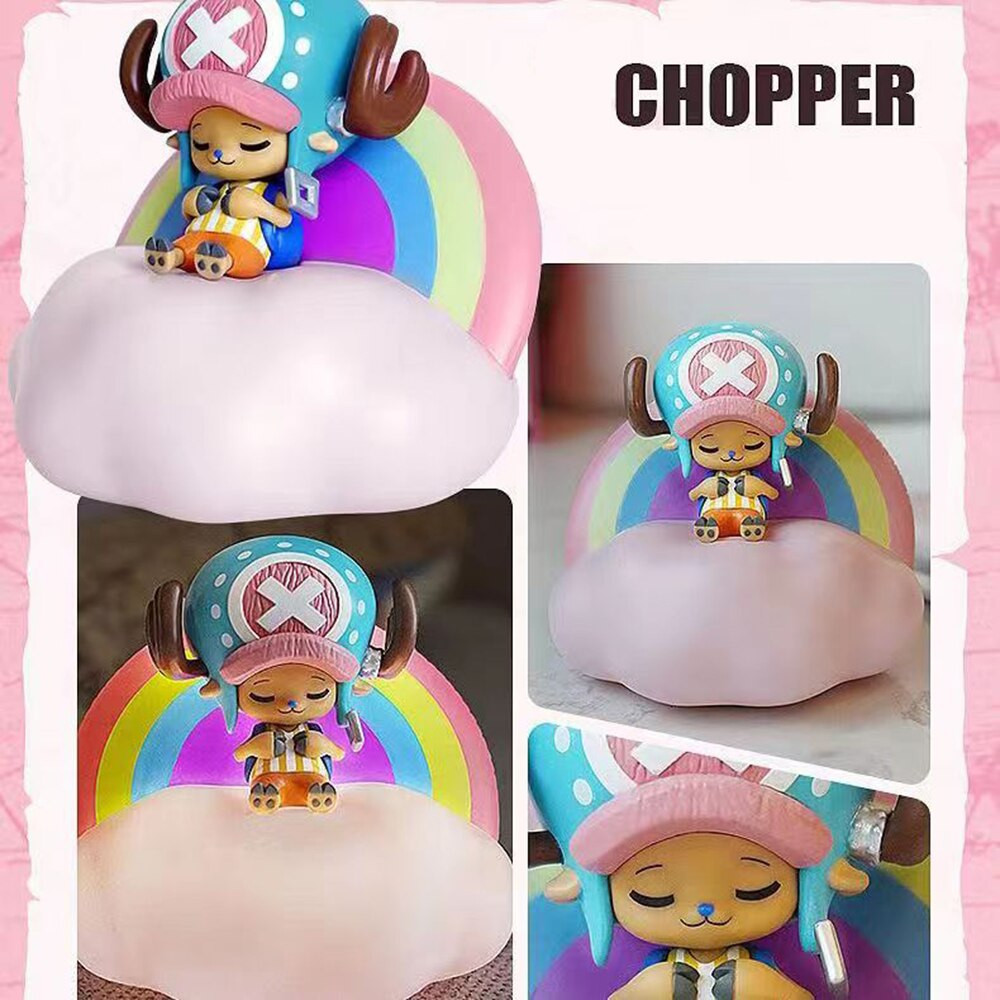
The Chopper Dream isn’t just a toy; it’s a beacon of fandom, a test of market savvy, and a reminder that even the most beloved dreams must navigate the harsh realities of economics.