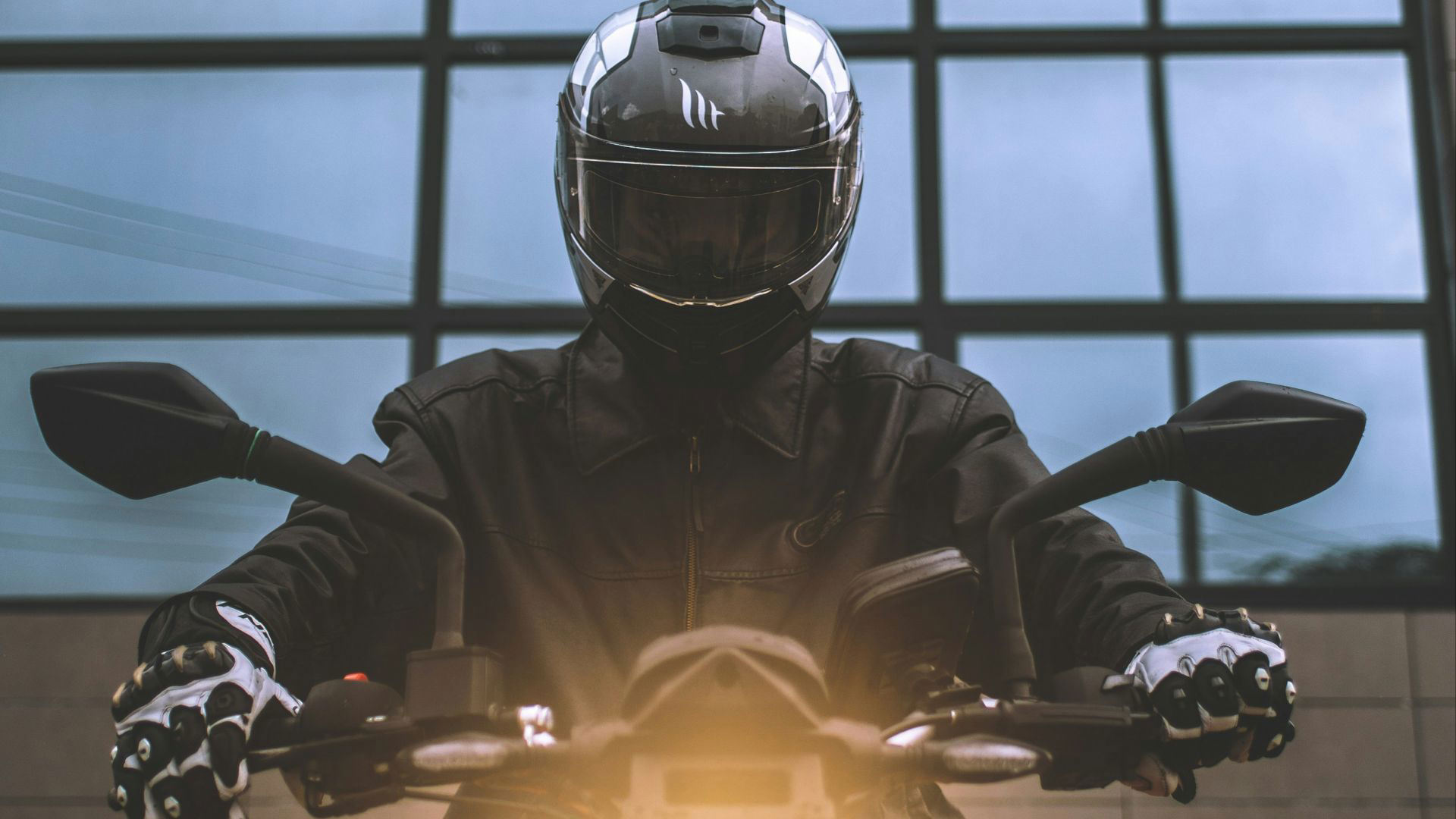
In the vibrant tapestry of motorcycle history, the 1980s emerge as a kaleidoscopic era where innovation met the thrill of raw mechanical artistry. These machines, once the roaring heartbeat of the open road, are now transmuting into collector gold — coveted relics ensnared in the amber of nostalgia and craftsmanship. Like rare gemstones concealed within the machinery, 80s motorcycles embody an alchemy of design, performance, and cultural zeitgeist that electrifies enthusiasts and collectors alike. They are not merely vehicles; they are dynamic sculptures, chariots of an epoch where the intersection of technology and rebellion forged timeless legends.
The 1980s motorcycle scene was a crucible of transformation. The decade witnessed a revolutionary shift in engineering precision and aesthetic audacity. Manufacturers zealously pushed the boundaries of speed, handling, and style, giving birth to steeds that deserve to be extolled alongside classic works of art. Unlike contemporary motorcycles that often emphasize cutting-edge electronics and streamlined minimalism, 80s bikes are replete with character — a tactile narrative that demands to be experienced, not just admired from afar.
One cannot discuss the unique allure of these bikes without delving into their mechanical soul. Consider the sound; the signature growl of an 80s engine is analog poetry. The visceral rumble transcends mere noise; it is a language spoken in piston slaps, carburetor burbles, and the rhythmic pulse of chain-driven power. A symphony born from carburetors and steel, it contrasts sharply with today’s muted exhaust notes subdued by regulation. This auditory texture is a magnet for collectors, a sensory link to a bygone era where riding was an all-encompassing experience.
Design-wise, 80s motorcycles often exhibit a distinct blend of angularity and flamboyance. The chiseled fairings, bold color palettes, and sharp-edged tanks invoke imagery of futuristic speedsters, as if forged by design savants who dared to dream beyond the horizon. Neon accents and graphic decals were not mere decoration but visual manifestos of the decade’s dynamic spirit. This aesthetic bravado imbues each model with a unique personality, making every bike a statement of both engineering and individuality.
Among the distinguished pantheon of 80s models becoming collector gold are machines like the Yamaha FZR series, Kawasaki GPZ900R, Suzuki GSX-R750, and Honda VF1000. Each of these motorcycles carries its own legend, a saga woven into the fabric of racing circuits and street folklore. The Yamaha FZR, for instance, introduced radical aluminum frames that revolutionized chassis rigidity, delivering unparalleled agility. The Kawasaki GPZ900R, remembered as the first bike to break the 150 mph barrier, was immortalized in popular culture and revered for its balletic blend of speed and durability.
These motorcycles also symbolize a pivotal moment in the rise of sportbikes. They were the precursors to the hypermodern superbikes of today, yet they retain a soulful humanity — an intimate connection between rider and machine. In a contemporary age awash with digital interfaces, the mechanical simplicity and raw feedback of 80s bikes offer a renaissance of sensory engagement. Each twist of the throttle and squeeze of the clutch is an unfiltered dialogue, a communion that today’s hyper-connected vehicles often lack.
The rising desirability of these motorcycles doesn’t merely rest on performance or looks. It is intricately tied to provenance and originality. Collectors prize unmolested paintwork, original components, and documented histories. Each surviving specimen becomes a custodian of time, bearing witness to countless journeys and the evolution of motorcycling culture. Restoring or maintaining these bikes is akin to preserving an ancient manuscript; every bolt and cable tells a story, imparting a profound sense of stewardship and reverence.
Moreover, the social and cultural cachet embedded in 80s motorcycles fuels their transformation into valuable collectibles. They evoke a cultural renaissance — a time when rebellious youth clung to the ideal of freedom on two wheels, against the backdrop of neon-lit city streets and analogue simplicity. Films, music, and the early days of motorsports immortalized these machines, crafting a mythology that collectors now cherish and seek to protect.
From a financial perspective, these motorcycles present a compelling investment avenue. As supply dwindles and survivor examples become increasingly rare, prices for pristine or well-maintained models steadily ascend. The market reflects not only arithmetic scarcity but also emotional value. The mystique of riding a machine that witnessed the dawn of modern sportbiking creates a premium beyond mere metal and horsepower.
In the final analysis, 80s motorcycles are more than mechanical constructs; they are time capsules humming with the energy of an era that embodied both technological breakthrough and unfiltered passion. They blur the boundary between machine and muse, embodying a kinetic poetry that will enthrall generations to come. For the discerning collector, acquiring such a motorcycle is akin to capturing a fragment of history — a golden shard that shines with incandescent brilliance in the pantheon of motorcycling lore.
As we reflect on these iconic machines, it becomes evident that their worth extends beyond market value; they are cultural artifacts and repositories of an enduring spirit. Their increasing rarity only magnifies their significance, transforming every lovingly restored or preserved 80s motorcycle into a vibrant monument of the past and a beacon for the future. In this intricate dance of steel and memory, these motorcycles continue to speak — whispering tales of speed, freedom, and a time when the road was an open canvas, waiting for the next legend to be written.