The early 2000s marked a transformative era in motorcycle design and engineering, an epoch that is now witnessing an extraordinary resurgence in value among collectors and enthusiasts alike. These motorcycles, once considered modern machines with contemporary styling and technology, have evolved into coveted artifacts of a pivotal moment in motorcycling history. The burgeoning interest in these early 21st-century bikes is driven by a multitude of factors, ranging from their technological advancements to their distinctive aesthetics and the nostalgic allure they evoke.
Motorcycles from this period represent a fascinating confluence of tradition and innovation. Manufacturers were experimenting with fuel injection systems, computerized engine management, and enhanced suspension technologies that substantially improved performance and reliability. Enthusiasts and collectors are particularly drawn to how these models bridged the gap between the analog past and the digital future, as they exhibit early iterations of features that have become standard today.
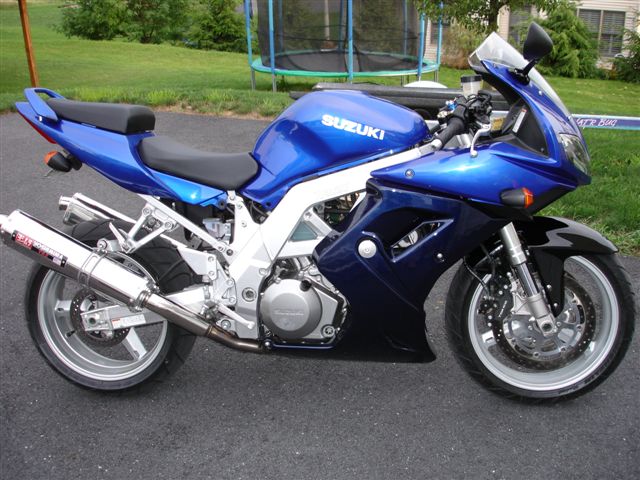
Among the myriad types that have captured the imagination of buyers, sportbikes from the early 2000s are especially notable. These machines, often characterized by aerodynamic fairings, aggressive riding positions, and high-revving engines, showcased a leap in engineering that delivered unprecedented speed and handling for their time. Brands like Yamaha, Kawasaki, and Suzuki released motorcycles such as the YZF-R1, Ninja ZX-6R, and GSX-R600, which have since become emblematic of the golden age of sport motorcycles. Their skyrocketing value can be attributed to their rarity in pristine condition, as many were ridden hard and modified extensively, leaving well-preserved stock examples highly prized.
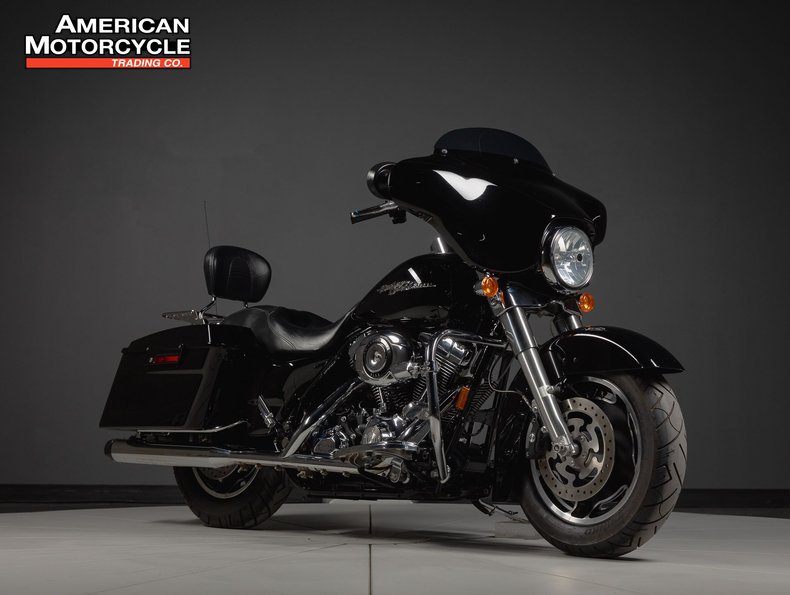
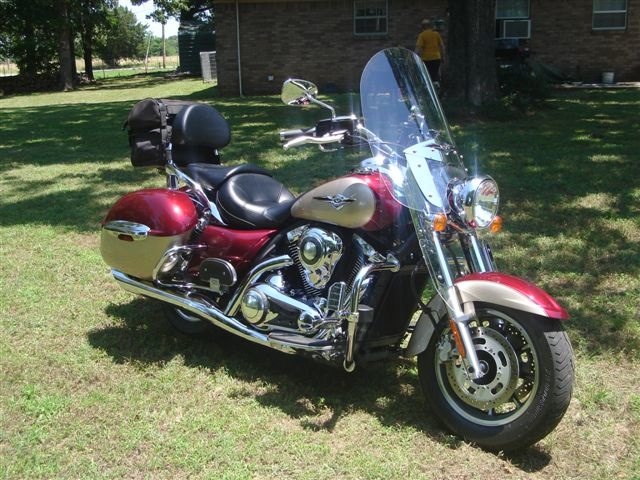
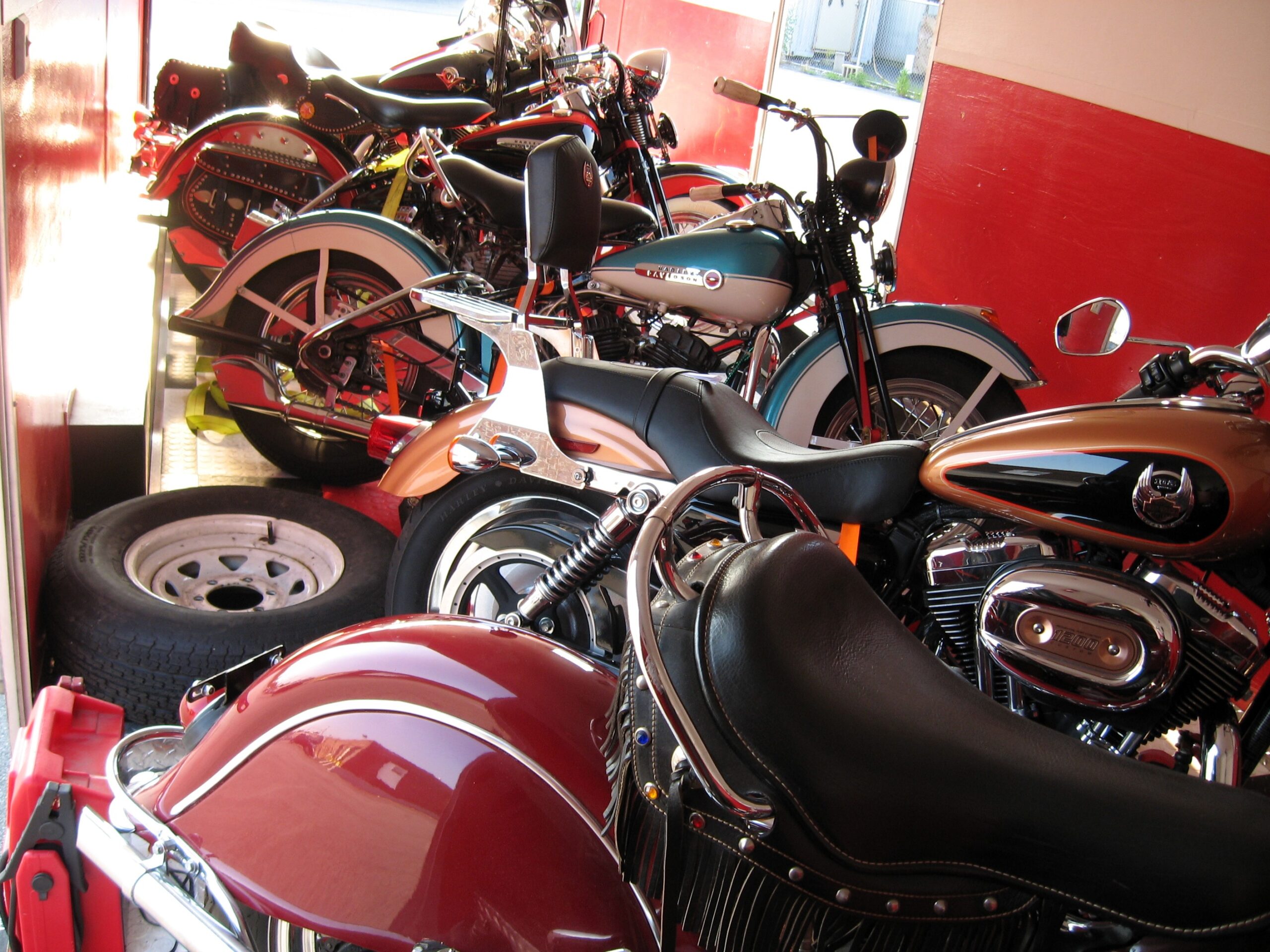
Cruisers, on the other hand, embody a resurgence of timeless styling fused with early modern engineering. The early 2000s witnessed significant enhancements in V-twin engines and chassis design, making cruisers not just visually captivating but also more comfortable and reliable for long-distance rides. Iconic models from Harley-Davidson and Indian in this era introduced refined versions of classic silhouettes that married nostalgia with contemporary powertrains. Collectors are drawn to these motorcycles for their cultural significance and the way they encapsulate Americana motorcycling ethos, elements that contribute significantly to their escalating market value.
Adventurous souls should not overlook the burgeoning segment of early 2000s dual-sport and adventure motorcycles, which have experienced an equally notable rise in desirability. These motorcycles were designed to conquer both asphalt and off-road terrains with equal gusto. Their introduction played a fundamental role in defining what modern adventure motorcycling would become. Models like the BMW R1150GS and the Suzuki DR-Z400S exemplify the robust yet versatile engineering mindset of the period. They sported features that catered to the growing demographic eager for exploration and endurance riding. Collectors seek these motorcycles not only for their historical impact but also for their durability and practical charm.
Another compelling facet boosting the value of early 2000s motorcycles is their embodiment of the evolving design philosophies of different manufacturers. This era was a canvas of aesthetic experimentation. Aggressive lines, bold color schemes, and innovative materials usage were hallmarks of the time. Customization also began to take center stage, with many motorcycles leaving the factory ready for aftermarket personalization. This made the motorcycles more than just modes of transport; they became embodiments of personal expression, a trend that is palpable in the current collector market, where originality and provenance are critical determinants of value.
The cultural relevance of these motorcycles cannot be understated. Media portrayals, racing successes, and the burgeoning online communities of the early 2000s have immortalized many models in motorcycling lore. Their appearances in films, television shows, and video games of the era have only served to amplify their iconic status. Riding these motorcycles today offers not only a tactile connection to that era but a remarkable sense of nostalgia intertwined with pride in technological heritage.
Enthusiasts interested in acquiring or merely appreciating these motorcycles can expect rich content focused on several pivotal areas. Detailed reviews that dissect the engineering nuances offer insights into what made these motorcycles cutting-edge in their time. Historical retrospectives trace the evolution of specific models and manufacturers, highlighting the context behind design and mechanical choices. Market analyses provide up-to-date valuations and future forecasts, essential information for collectors considering investment potential.
Technical deep-dives into engine configurations, suspension setups, and electronic systems provide a comprehensive understanding of how these motorcycles delivered performance and reliability that have contributed to their desirability decades later. Additionally, buyer’s guides focused on sourcing immaculate or well-preserved examples offer practical wisdom for navigating the often complex market. Restoration tips and maintenance advice are also invaluable for those aiming to preserve or enhance the authenticity and functionality of early 2000s motorcycles.
Moreover, enthusiasts can immerse themselves in visual galleries showcasing the distinctive design elements and color schemes of the era. These galleries not only celebrate the visual appeal but also serve as references for restoration or customization projects. Interviews with engineers, designers, and seasoned riders offer personal anecdotes and technical wisdom, enriching the narrative surrounding these motorcycles and deepening appreciation for their development.
Forums and community discussions dedicated to early 2000s motorcycles have become fertile grounds for sharing tips, storytelling, and valuable historical information. They provide newcomers and seasoned collectors alike with a sense of belonging and a treasury of knowledge that fosters informed decision-making. Lifestyle content also explores how these motorcycles fit into broader cultural trends, from soundtrack influences to fashion, further humanizing the machines beyond their mechanical prowess.
In conclusion, the surge in value of early 2000s motorcycles is more than a fleeting trend; it is a testament to the enduring allure of an era that combined innovation with raw, evocative design. These motorcycles serve as mechanical milestones, representing a complex interplay of technological progress, cultural shifts, and artistic expression. Today’s collectors and riders are fortunate to engage with machines that offer not only historical significance and investment potential but also a visceral connection to a transformative chapter in motorcycling history. Whether through detailed technical content, rich historical narratives, or vibrant community interaction, the fascination with early 2000s motorcycles continues to accelerate, promising an exciting and rewarding journey for all who partake.