Could machines crafted over two decades ago truly outperform today’s technologically advanced superbikes? At first glance, it might seem improbable. After all, the relentless march of innovation has equipped modern motorcycles with cutting-edge electronics, lightweight materials, and unparalleled engineering precision. Yet, if you peel back the layers of gleaming new-tech gloss, these early 2000s superbikes quietly maintain an enduring legacy that still challenges—and in some ways, surpasses—many of their contemporary counterparts.
The dawn of the new millennium witnessed a remarkable era in superbike development. This epoch was characterized by raw mechanical prowess, sublime engineering artistry, and a fusion of power and character that many riders find elusive in today’s more sanitized machines. These bikes were more than mere transportation; they were visceral instruments designed for passionate riders who demanded direct and thrilling engagement with the road.
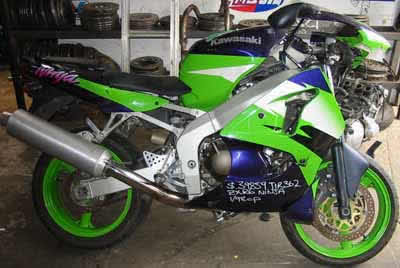
Take, for instance, the iconic models from the early 2000s which were dominated by Japanese manufacturers like Honda, Yamaha, Suzuki, and Kawasaki, alongside formidable Italian and European challengers. These motorcycles packed monstrous 1000cc inline-four engines or torquey V-twins, pushing boundaries of power delivery with mechanical simplicity and robustness. Their sonic signature alone evokes deep-seated excitement—an auditory symphony distinct from the often muted or electronically modulated sounds of modern bikes.
One might ask, what sets these superbikes apart so distinctly that they remain relevant and, at times, superior despite rapid technological advancements? One pivotal factor is their mechanical transparency. Unlike present-day machines, bristling with ride-by-wire throttles, multiple riding modes, traction control, and ABS as default features, these early superbikes offered a more analog, direct feedback loop between rider and machine. The rider wasn’t just a passenger to electronic wizardry but an active participant maneuvering raw power through their skills and instincts.
This tangible connection translated into a level of rider involvement that few modern superbikes replicate. The absence of digital aids demanded mastery of clutch control, throttle modulation, and braking finesse, forcing riders to refine their craft. Ironically, this made racing and spirited riding more demanding yet immensely rewarding. As a result, riders developed a more intimate understanding of the physics underpinning motorcycle dynamics, cultivating a symbiotic relationship rarely found in contemporary models.
Another factor contributing to the enduring prowess of these early superbikes lies in their structural design and weight distribution. Constructed during a transitional phase in motorcycle engineering, they flaunted a balance between emerging lightweight materials and traditional metals. The frames were often steel or aluminum, fashioned to optimize rigidity without sacrificing compliance. This created an intriguing ride quality that combined stability with a touch of flex, allowing the chassis to communicate subtle feedback from the road.
In contrast, many modern superbikes have gravitated toward ultra-stiff carbon fiber and other exotic composites to shave weight and increase precision. While technologically impressive, this sometimes results in a harsher ride, diminishing the tactile connection between machine and rider. The early 2000s bikes deliver a nuanced and organic feel, almost like a finely tuned musical instrument resonating with every input.
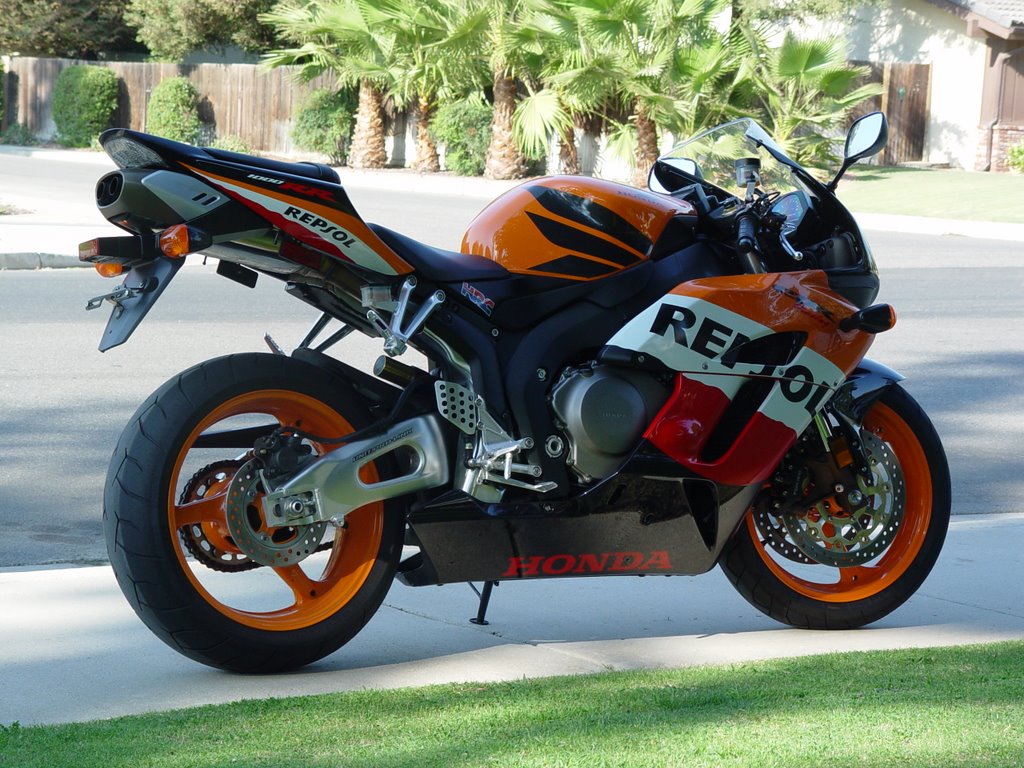
Performance-wise, these motorcycles were titans of their time. Models such as the Honda CBR929RR, Yamaha YZF-R1 from 1998 onwards, and the Suzuki GSX-R1000 forged new standards for acceleration, top speed, and cornering agility. Their engines were tuned for a linear powerband, allowing blistering performance that could challenge—and even eclipse—many modern superbikes under certain conditions. Notably, despite their lack of today’s electronic rider aids, they excelled in raw horsepower figures, often exceeding or matching current machines on the dyno.
Moreover, the simplicity of their mechanical setups promoted ease of maintenance and tuning, making them ideal for riders willing to optimize performance through traditional methods such as carburetor adjustments, suspension tweaks, and gear ratio changes. This hands-on approach is largely lost nowadays, where software updates and computer diagnostics dominate. This aspect imparts an enduring appeal to those who cherish the art and science of motorcycle mechanics beyond digital overlays.
Could one envision a scenario where an early 2000s superbike might outshine a modern literbike on track or twisty roads? Indeed, there are numerous anecdotal accounts and track day results where seasoned riders aboard these classics have bested newer machinery, exploiting the predictability and directness inherent in their design. When paired with a skilled rider who understands the bike’s idiosyncrasies, these machines transform into formidable adversaries that don’t just survive but thrive amidst modern competition.
This phenomenon raises an intriguing challenge to the motorcycle industry and enthusiast community alike: are we sacrificing soul and rider engagement at the altar of electronic sophistication? While technology undeniably enhances safety and broadens accessibility, it sometimes does so at the expense of the elemental thrill that has traditionally defined superbike culture.
In conclusion, the early 2000s superbikes stand as monuments to an era where mechanical intuition and raw power reigned supreme. These magnificent machines still hold their own against contemporary rivals not merely because of their engineering might but due to the unmistakable character they embody. They invite riders to reclaim a more primal connection with the motorcycle experience—one filled with challenge, exhilaration, and unfiltered joy.
So, the next time you marvel at a gleaming modern superbike, consider the question: Could the spirit and performance of those early 2000s legends quietly continue to “destroy” the competition, not through sheer technology, but through timeless design and rider synergy? In the world of superbikes, nostalgia may just be the fiercest rival of all.